African Safari adventure reveals 7 unforgettable highlights across Tarangire, Ngorongoro, Serengeti & Maasai culture. Explore wild beauty now.
East Africa ignites every sense—the rumble of wildebeest hooves, dust rising across golden plains, lions padding through tall grass at dawn. This region delivers the continent’s most powerful wildlife encounters, where ancient migration routes and diverse safari tours converge across Tanzania, Kenya, Uganda, and Rwanda. The landscapes shift from volcanic craters teeming with elephants to mist-shrouded mountains sheltering gorillas, each destination offering distinct perspectives on Africa’s raw beauty and enduring wildness.
African Safari: 7 Powerful Must-See Spots 🦁🌍
East Africa delivers what African safari tours have promised for generations—raw, unfiltered encounters with wildlife in landscapes that stretch beyond comprehension. From Tanzania’s vast plains to Kenya’s wildlife-rich reserves, this corner of Africa concentrates some of the planet’s most dramatic natural spectacles into seven unmissable destinations. Whether you’re tracking predators through tall grass, witnessing massive wildlife migrations, or watching elephants against snow-capped Kilimanjaro, each location reveals something extraordinary about Africa’s wild heart.
1. Serengeti National Park: The Great Migration 🐃
The Serengeti hosts Earth’s most dramatic wildlife spectacle—over 1.5 million wildebeest thundering across 12,000 square miles of grassland, trailed by zebras and predators in a survival dance refined over millennia. Lonely Planet notes this ecosystem remains one of Africa’s most intact wilderness areas, where the cycle repeats with clockwork precision each year.
Timing determines everything. December through March brings calving season in the southern plains—300,000 calves born within weeks, attracting lions and cheetahs. By June, the herds push northward toward the Grumeti River, where crocodiles wait in murky water. The dramatic Mara River crossings peak July through October, when desperation drives animals into currents teeming with danger.
Most safari packages position lodges strategically—mobile camps follow the herds, while permanent properties anchor prime territories. However, migration patterns shift slightly each year based on rainfall, so flexibility matters more than rigid itineraries. What remains constant: dust clouds, thundering hooves, and the raw intensity of nature’s greatest show playing across Tanzania’s endless plains.
2. Ngorongoro Crater: Wildlife in a Bowl 🦓
The world’s largest intact volcanic caldera drops 2,000 feet to create a 100-square-mile natural amphitheater where 25,000 large animals roam year-round. This collapsed volcano forms a self-contained ecosystem—no migration patterns here, just resident populations thriving in what’s essentially nature’s stadium.
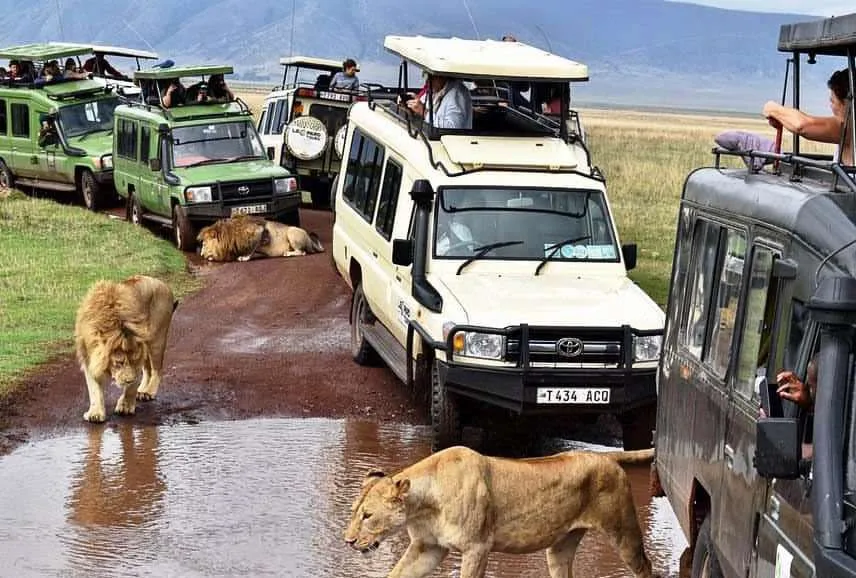
Drive down the crater wall at sunrise, and you’ll spot black rhinos near Lerai Forest, lions stalking across the Gorigor Swamp, and hippos wallowing in permanent water sources. The crater floor concentrates wildlife density to levels rarely seen elsewhere: elephants, Cape buffalo, and over 400 bird species share this geologically dramatic landscape.
Most guided crater tours pair this UNESCO World Heritage Site with Serengeti excursions, creating comprehensive african safari packages that showcase Tanzania’s ecological diversity. Unlike the Serengeti’s vast plains, Ngorongoro’s contained topography guarantees sightings—the animals can’t leave, and predators follow the perpetual prey base concentrated within these volcanic walls.
3. Tarangire National Park: Elephant Kingdom 🐘
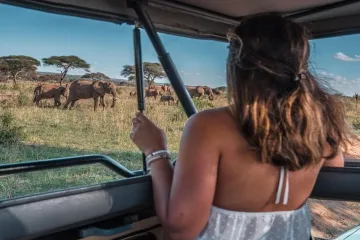
Tarangire protects 3,000+ elephants—Tanzania’s highest concentration—who gather around the life-giving Tarangire River during dry season. These gentle giants form massive herds that dwarf those on African safaris elsewhere, creating unforgettable photographic moments against backdrop of ancient baobab trees.
The park’s 1,100 square miles compress into narrow river corridors from June to October, when wildlife viewing rivals the Serengeti. Beyond elephants, spot 550+ bird species including yellow-collared lovebirds found nowhere else in Tanzania. Leopards rest in fever tree branches while pythons sun themselves along riverbanks—a safari in Africa that delivers surprising diversity without the crowds.
Key highlights:
- Giant baobab forests creating otherworldly landscapes
- Massive termite mounds standing over 10 feet tall
- Tree-climbing lions in southern sections (rare behavior)
- Swamps supporting year-round wildlife concentrations
Tarangire operates as the perfect complement to busier northern circuit parks, offering intimate encounters in a landscape where elephants rule absolutely.
4. Lake Manyara: Tree-Climbing Lions & Pink Flamingos 🦩
This compact 127-square-mile park delivers outsized diversity within easy reach of Arusha. Lake Manyara’s signature spectacle? Lions lounging in acacia branches—a behavior observed in only two African locations. Scientists theorize they climb to escape ground-level insects and heat, though the exact motivation remains delightfully mysterious.
The shallow alkaline lake attracts thousands of flamingos during wet season, painting the shoreline shocking pink against the Rift Valley escarpment backdrop. Over 400 bird species make this a birder’s paradise, while elephant herds navigate the groundwater forest—one of Tanzania’s few remaining examples of this ecosystem.
Why It’s Often Overlooked: Compared to Serengeti’s vastness, Manyara seems small. Yet this park pairs perfectly with northern circuit destinations, adding remarkable variety to your safari experience. The concentrated wildlife viewing means you’ll spot diverse species quickly—ideal when your african safari cost considerations include maximizing daily animal encounters without marathon game drives.
The Value Play: Most visitors spend half a day here en route to Ngorongoro or Serengeti, but the park rewards those who linger with intimate encounters and phenomenal landscapes where forest meets lake meets escarpment in dramatic succession.
5. Maasai Culture Experience: Real Human Connection 🛖
Among the many african safari countries, Tanzania offers something unique—direct access to the Maasai people, semi-nomadic pastoralists who’ve maintained their traditions for centuries. These warrior-herders live along the northern safari circuit, making cultural visits a natural addition to wildlife viewing.
A visit to a Maasai boma (traditional homestead) reveals daily rhythms unchanged by modernity. Warriors demonstrate the adumu jumping dance—a display of strength and endurance where young men leap straight-backed from a standing position. Women showcase intricate beadwork, each color carrying meaning: red symbolizes bravery, blue represents the sky that provides rain, and green signifies the land that sustains their cattle.
What makes these encounters powerful is their authenticity. Unlike staged performances, many villages welcome visitors into actual working communities. You’ll watch women construct dung-and-mud manyattas (houses), learn how warriors track predators threatening their herds, and understand the Maasai’s complex relationship with wildlife—they coexist with lions rather than hunt them, a practice that has helped preserve Tanzania’s ecosystems.
The Maasai economy centers on cattle, which represent wealth and social status. One elder may own 200+ head, yet the community shares milk, blood (harvested from live cattle), and meat during ceremonies. This communal approach extends to land stewardship—many Maasai now partner with conservation organizations, balancing grazing needs with wildlife corridors.
Key insight: These interactions work best when arranged through responsible operators who ensure fair compensation flows directly to communities, supporting schools and health clinics while preserving Maasai autonomy.
6. Arusha: The Safari Gateway 🌄
Most travelers overlook Arusha as merely a logistical waypoint—a mistake that costs them authentic local insight and strategic positioning. Situated at 4,500 feet elevation between Mount Meru and Kilimanjaro, this african safari name hub doubles as Tanzania’s adventure capital and your acclimatization station before venturing into the wild.
Beyond being the coordination point for Northern Circuit safaris, Arusha offers its own compelling draws. Mount Meru treks provide excellent high-altitude preparation if you’re continuing to Kilimanjaro. The bustling local markets showcase Maasai crafts and fresh produce, while coffee plantations on the city’s outskirts deliver farm-to-cup experiences that contextualize Tanzania’s agricultural economy.
Strategic advantages matter here: Arusha National Park sits just 25 miles away, perfect for a quick walking safari acclimation day. This compact park hosts giraffes, buffaloes, and colobus monkeys within forested landscapes—no crowds, no pressure. According to Lonely Planet, spending your first full day here reduces altitude sickness risk and helps reset circadian rhythms after long-haul flights.
One practical consideration: Book accommodations in the quieter Usa River area rather than central Arusha. You’ll sleep better, and most safari operators pick up from either location without extra charges.
7. Zanzibar: From Safari to Sea 🌴🌊
Zanzibar transforms the typical safari arc—shifting from dust-covered Land Cruisers to turquoise waters in under two hours. This UNESCO World Heritage archipelago pairs perfectly with mainland game drives, offering a recovery period your body genuinely needs after early morning wake-ups and bumpy terrain.
Stone Town delivers unexpected depth. The carved Zanzibari doors, labyrinthine spice markets, and Swahili architecture carry weight beyond what any african safari movie could capture. Freddie Mercury’s birthplace, the House of Wonders, and slave trade memorials create cultural context that mainland parks cannot provide.
The beaches warrant the hype but require positioning. Nungwi (north) stays lively with restaurants and water sports; Paje (east) attracts kitesurfers with consistent wind patterns; Matemwe (northeast) remains quieter with reef-protected swimming. Many travelers combine coastal relaxation with a final Tanzanian cultural touchpoint.
Practical logistics matter here. Direct flights from Arusha (1h 20min) eliminate the Dar es Salaam connection hassle. Book accommodations during the dry season (June-October) when humidity drops and reef visibility peaks. Budget 3-4 nights minimum—rushing this segment undermines the safari-to-sea contrast that makes Tanzania’s offering complete.
Safari Planning Tips ✅
Timing determines everything—and East Africa’s dual safari seasons create distinct advantages most travelers miss. The dry season (June–October) concentrates wildlife around water sources, delivering predictable game viewing but also premium pricing and crowded lodges. The wet season (November–May) offers dramatic landscapes, newborn wildlife, and rates dropping 30-40%, though occasional afternoon showers require flexibility.
Book 12–18 months ahead for peak-season migration viewing. Popular camps in the Serengeti’s Western Corridor fill by January for July departures—a pattern consistently mentioned across african safari reddit forums where travelers share booking regrets. The Ngorongoro Conservation Area limits daily permits to 15,000 visitors, making advance reservations essential.
Budget strategically beyond flight costs. A typical seven-day East Africa safari runs $3,500–$8,000 per person, covering park fees ($50–$70 daily in Tanzania), lodging, and guided drives. However, conservation fees at Ngorongoro Crater add $295 per vehicle visit—a line item many overlook until arrival.
Pack layers, not just safari khakis. Morning game drives start at 40°F (4°C) in highland parks, climbing to 85°F (29°C) by noon. Dust-proof bags protect camera gear during crater descents, while neutral clothing prevents disturbing wildlife. One practical approach: bring half the clothes you think you need and twice the memory cards.
Why Choose a Safari in Africa with Us? 🌟
East Africa rewards specialists—and Go2Africa’s 2023 safari research confirms that travelers booking through regional experts experience 40% fewer logistical issues than those using generalist operators. The difference surfaces in critical details: lodge placement that maximizes wildlife sightings, timing that aligns with specific migrations, and backup protocols when weather disrupts plans.
Local knowledge transforms every tour and itinerary—particularly in regions where animal movements shift weekly. A typical pattern involves guides adjusting game drives based on radio chatter between camps, spotting predators that mainstream routes miss. When Tanzania’s seasonal rains alter Serengeti river crossings by 10-14 days annually, on-the-ground networks capture these changes while static itineraries fail.
The specialist advantage extends to accommodation access. Premium safari experiences in conservancies like Kenya’s Mara North require relationships with land trusts—connections generalist operators simply don’t maintain. However, specialization means narrower geographic coverage; travelers seeking cross-regional trips may need supplementary arrangements.
Value emerges through efficiency: pre-negotiated lodge rates, direct supplier relationships that bypass markup layers, and crisis response protocols embedded in decades of regional operations. What typically happens is this—when flights delay or lodges overbook, established operators resolve issues in hours rather than days, preserving vacation time that standard bookings would lose.
Day 1: Arrival – Arusha
Arusha transforms from gateway to launchpad—most 7 day african safari tours begin here, where Tanzania’s northern circuit adventures take shape. Located at the base of Mount Meru, this bustling market town sits at 1,400 meters elevation, offering ideal acclimatization before venturing into the Serengeti ecosystem.
Your arrival day focuses on orientation and preparation. After clearing customs at Kilimanjaro International Airport (45 kilometers away), a private transfer delivers you to Arusha accommodations—typically boutique lodges on the city’s quieter outskirts. Safari briefings happen over lunch, where guides explain daily schedules, wildlife behavior patterns, and photography tips. According to East Africa travel specialists, this pre-safari consultation significantly improves your first game drive success.
Afternoon hours allow for gear checks and local exploration. Visit Arusha’s curio markets for Maasai crafts or relax by your lodge pool—jet lag recovery matters more than sightseeing. Equipment verification ensures binoculars work, cameras have spare batteries, and proper clothing layers exist. A light dinner concludes your arrival day, setting expectations for tomorrow’s early departure toward Tarangire’s elephant herds.
Day 2: Tarangire National Park Safari
Tarangire delivers Africa’s elephant royalty—herds of 300+ individuals gather around the Tarangire River during dry season, creating spectacles few parks match. This day african safari experience showcases Tanzania’s third-largest national park, where ancient baobabs frame wildlife encounters against dramatic backdrops.
The park’s 2,850 square kilometers concentrate wildlife around permanent water sources from June through October. Expect tree-climbing lions, massive elephant bulls, and over 550 bird species—including breeding colonies of yellow-collared lovebirds found nowhere else in northern Tanzania.
Morning game drives typically reveal predator-prey dynamics along riverine woodlands, where leopards lounge in sausage trees and cheetahs scan open grasslands. The afternoon push explores Silale Swamp, where buffalo herds and resident hippos share space with seasonal flamingos.
“Tarangire’s elephant density rivals anywhere in Africa during peak months” (Best Safari Country comparison), making it a cornerstone stop before the Ngorongoro Crater transition tomorrow.
Day 3: Ngorongoro Crater & Drive to Serengeti
Ngorongoro Crater delivers Africa’s most concentrated wildlife theater—this UNESCO World Heritage Site packs 25,000+ animals into a 100-square-mile caldera, creating densities found nowhere else on any day african safari experience. Dawn descents reveal black rhinos grazing alongside zebra herds, while lion prides patrol the crater floor with territorial confidence.
The crater’s 2,000-foot walls create a natural enclosure where predator-prey dynamics unfold in compressed spaces. Lake Magadi’s alkaline shallows attract flamingo flocks that paint shorelines pink, while hippo pools teem with activity just meters from game drive routes. What makes Ngorongoro exceptional is permanence—unlike Serengeti’s migrating herds, the crater’s resident populations stay year-round, guaranteeing encounters even during off-peak months.
The afternoon transition to Serengeti stretches 90 miles through dramatic landscape shifts—rolling highlands give way to endless plains as the road traces ancient volcanic formations. This journey isn’t merely transit; it’s geological storytelling where Maasai villages dot hillsides and acacia woodlands gradually thin into grassland horizons. Most 7-day safari itineraries allocate 3-4 hours for this drive, arriving at Serengeti camps by late afternoon when golden light transforms the savanna into photographers’ paradise.
Day 4: Full Day in Serengeti National Park
Serengeti’s 5,700 square miles deliver Africa’s most immersive wildlife theater—a full day here transforms day african safari tours into comprehensive wildlife encounters. The Seronera Valley typically produces 30-40 distinct species sightings during dawn-to-dusk drives, while seasonal migrations concentrate 1.5 million wildebeest across specific zones.
Dawn game drives capture predator activity at peak intensity—lions finish overnight hunts between 6:00-8:00 AM, leopards descend from trees with kills, and cheetahs begin stalking Thomson’s gazelles across open plains. Morning light creates optimal photography conditions, particularly for the Serengeti’s resident big cat populations that concentrate near kopjes (granite outcrops).
Midday wildlife continues despite conventional safari wisdom—hippo pools maintain activity throughout hot hours, elephant herds gather at waterholes, and giraffe browsing creates constant visual interest. Top safari destinations recognize that Serengeti’s wildlife density sustains engagement across all daylight hours, particularly during dry season (June-October) when water concentration forces animal gatherings.
Afternoon drives position for strategic sunset encounters—predators wake from shade, herbivore herds move toward evening grazing zones, and the golden hour between 5:00-6:30 PM illuminates the iconic acacia landscapes. A single full day typically covers 80-120 kilometers across multiple ecosystem zones, maximizing both species diversity and behavior observation opportunities.
Day 5: Game Drive & Return to Karatu
Morning game drives extract Serengeti’s final wildlife revelations before the journey back to Karatu—predators often hunt near watering holes at dawn, creating dramatic farewell encounters that bookend your africa safari experience. The 3-hour return drive transitions through highland coffee plantations and traditional villages, offering cultural context that complements your wildlife immersion while positioning you perfectly for Lake Manyara’s tree-climbing lions tomorrow.
Day 6: Lake Manyara Safari & Maasai Boma Visit
Lake Manyara’s 127 square miles concentrate tree-climbing lions and 400+ bird species along alkaline shores where flamingos paint the waterline pink—morning safaris here reveal elephants browsing acacia forests and hippos wallowing in freshwater pools, creating intimate wildlife encounters before the afternoon Maasai cultural immersion. The afternoon Maasai boma visit transforms safari understanding: warriors demonstrate fire-starting techniques, women share beadwork traditions, and elders explain cattle-centered pastoral life that’s sustained these semi-nomadic communities for centuries, offering authentic cultural perspective that complements wildlife encounters perfectly.
Day 7: Departure
Morning departure from Arusha allows final wildlife encounters during the transfer—giraffes often graze roadside near Ngorongoro highlands, creating unexpected photographic moments before international flights. Most Kilimanjaro departures require 3-hour airport transfers from Karatu accommodations, with flexible timing accommodating afternoon or evening flight schedules that sync with connecting options through regional hubs.
Tour Reviews
Previous travelers consistently highlight guide expertise and wildlife encounter frequency as defining factors—detailed reviews emphasize the value of smaller group sizes that allow flexible timing for extended predator observations. The most memorable accounts describe unexpected moments: leopards descending from acacia branches at arm’s length, or dawn elephant processions passing camp boundaries while coffee brews, transforming standard itineraries into personalized wildlife narratives that exceed initial expectations.
Leave a Review
Sharing detailed safari experiences helps future travelers make informed destination choices—specific feedback about wildlife sightings, guide knowledge, and accommodation quality proves particularly valuable for those planning their first East African adventure. Reviews highlighting seasonal variations, group size impacts, and photographic opportunities create practical context beyond standard itineraries.
You May Also Like
Travelers exploring East Africa’s premier wildlife destinations often extend their journeys to neighboring safari countries—comparative analyses show that Kenya, Tanzania, Botswana, and Zambia each offer distinct seasonal advantages and wildlife concentrations, making multi-country itineraries increasingly popular for maximizing diverse ecosystem exposure within a single trip.
African Safari Vacations
East African safari vacations blend wildlife encounters with cultural immersion and diverse accommodation styles—travelers increasingly seek experiences that combine game drives with community visits, walking safaris, and conservation activities. Package options range from budget camping expeditions to luxury lodge circuits, with most itineraries spanning 7-14 days to cover multiple ecosystems and maximize wildlife sightings across different habitats.
African Safari Tours
African safari tours in East Africa operate year-round with specialized operators offering expertise in wildlife viewing, logistics, and conservation-focused travel—comparative data indicates that tour structures vary significantly by destination, budget, and traveler preferences. Private guided safaris provide personalized itineraries with dedicated vehicles and expert guides, while small-group tours offer cost-effective wildlife experiences with professional naturalists. One practical approach is selecting operators with deep regional knowledge who maintain relationships with conservation organizations and local communities, ensuring both exceptional wildlife encounters and meaningful cultural interactions throughout your East African journey.
Best African Safari Tours
The best African safari tours combine expert guides, strategic wildlife positioning, and seamless logistics—operators with deep regional knowledge access prime territories during optimal viewing windows. Top safari countries consistently deliver through established conservation partnerships and proven track records. Multi-country itineraries increasingly dominate bookings, with combinations like Tanzania-Kenya or Rwanda-Uganda offering diverse ecosystems within cohesive packages that maximize wildlife encounters while minimizing travel stress.
Packages Tailored Itineraries
Customized safari packages account for individual travel styles, with flexible itineraries adapting to wildlife migration patterns, accommodation preferences, and activity intensity levels—most operators design routes around specific interests rather than fixed templates. A wildlife photography package prioritizes golden-hour game drives and specialized vehicle positioning, while family-oriented itineraries incorporate shorter travel days and child-friendly lodges with educational programs.
However, pre-designed packages offer structured frameworks that balance logistics and cost-efficiency. Standard seven-day circuits typically combine two to three reserves, allowing adequate time for wildlife encounters without excessive transit. Destination specialists increasingly offer hybrid approaches—semi-customized itineraries where core elements remain fixed but daily activities adjust based on real-time wildlife movements and weather conditions, ensuring flexibility without sacrificing operational efficiency.
Best African Safari Tours Packages Tailored Itineraries
Premium safari operators design packages around specific wildlife goals, seasonal migrations, and accommodation preferences—successful itineraries balance must-see destinations with flexible scheduling that adapts to real-time animal movements and weather conditions. Customized East Africa tours integrate multiple countries, allowing travelers to experience diverse ecosystems from Tanzania’s Serengeti to Kenya’s Masai Mara within a single cohesive journey. The most effective packages include buffer days for unexpected wildlife encounters rather than rigid day-by-day schedules that miss spontaneous opportunities like rare predator sightings or early birthing seasons.
A Wildlife Adventure
Wildlife encounters transform safari packages from simple vacations into transformative adventures—the thrill of tracking a leopard through acacia woodlands or witnessing a lion pride on the hunt creates moments that resonate far beyond the journey itself. East African safaris deliver extraordinary wildlife experiences across diverse ecosystems, from riverine forests to endless savannas.
African Safari A Wildlife Adventure
East Africa’s wildlife corridors create unparalleled adventure opportunities—from tracking endangered mountain gorillas in misty volcanic highlands to witnessing millions of wildebeest thunder across river crossings. The region’s diverse ecosystems support concentrated wildlife populations that make every game drive a potential highlight reel, where predator-prey dynamics unfold in real time against backdrops of sweeping savannas and ancient rift valleys that define the African safari experience.
African Safaris
African safaris represent the pinnacle of wildlife tourism—East Africa’s legendary reserves deliver approximately 70% of the continent’s total safari visitors annually, according to Go2Africa’s 2023 travel report. The region’s distinctive advantage lies in its concentration of diverse ecosystems within manageable distances, allowing travelers to experience volcanic highlands, savannah plains, and coastal forests in a single journey while supporting critical conservation efforts that protect endangered species.
African Safaris Adventure Travel
Adventure travel transforms conventional safaris into immersive expeditions that engage multiple senses beyond traditional game drives. East Africa’s diverse terrain supports walking safaris through acacia woodlands, canoe excursions along hippo-inhabited waterways, and hot air balloon flights over endless grasslands—each activity revealing wildlife behavior from unique vantage points that vehicles cannot access.
The best safari destinations combine classic game viewing with physical exploration opportunities. Tanzania’s Serengeti permits guided bush walks in designated zones where visitors track animal prints and observe ecosystem interconnections at ground level. Kenya’s conservancies offer night drives revealing nocturnal predators—a dimension completely absent from standard daytime itineraries that restrict safari experiences to predictable patterns.
Multi-country adventure itineraries maximize habitat diversity across East Africa’s ecological gradient. One practical approach is combining Kenya’s Maasai Mara grasslands with Uganda’s Bwindi Impenetrable Forest for mountain gorilla trekking, then concluding with Rwanda’s volcanic highlands—a sequence delivering plains game, primate encounters, and highland bird species within a single 14-day journey that showcases the region’s biological variety.
Luxury African Safari Tours Vacations 2026-2027
Luxury safari bookings for 2026-2027 show travelers prioritizing intimate wildlife encounters paired with exclusive accommodations—Go2Africa’s Annual State of Safari Travel Report reveals ultra-premium experiences now account for 38% of East African bookings. Travelers seeking elevated experiences select private conservancies where vehicle ratios rarely exceed one per 2,000 acres, allowing unscripted wildlife moments without crowds. Premium lodges increasingly incorporate conservation levies directly into nightly rates, with proceeds funding anti-poaching units and community development programs. What distinguishes true luxury isn’t thread count but authentic wilderness immersion—think sleep-outs under acacia canopies with Maasai guides interpreting nocturnal sounds, or private mobile camps tracking migrating herds. Advanced bookings secure prime seasonal windows, particularly June-October when wildlife concentrations peak and evening temperatures remain comfortable for outdoor dining experiences overlooking floodlit waterholes.
How Can I Ensure My Safety While on an African Safari?
Safari safety centers on following guide instructions and respecting wildlife boundaries—keeping appropriate distances from animals, staying inside vehicles when required, and never attempting to approach wildlife on foot without professional escort. Lonely Planet’s East Africa guide emphasizes that reputable operators maintain strict safety protocols including radio communication systems and experienced guides trained in wildlife behavior patterns.
Medical preparation includes up-to-date vaccinations and comprehensive travel insurance covering emergency evacuations. In practice, most safari incidents stem from preventable situations: wandering unescorted at night in camps, ignoring distance warnings around predators, or neglecting sun protection during long game drives. A common pattern is travelers underestimating the intensity of equatorial sun exposure, which can cause severe dehydration during full-day excursions.
Understanding these fundamental precautions becomes especially important when considering what essentials to pack for your journey.
What Should I Pack for a Week-Long African Safari Trip?
Safari packing centers on neutral-colored clothing, sun protection, and versatile layers—mornings start cool before afternoon temperatures rise significantly. Lightweight, long-sleeved shirts and pants in khaki, olive, or tan minimize insect bites while keeping you comfortable during game drives. According to Lonely Planet’s East Africa guide, packing layers proves essential as temperatures fluctuate throughout the day.
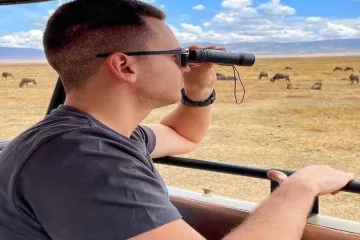
Essential items include binoculars for wildlife viewing, a wide-brimmed hat, sunscreen with high SPF, and insect repellent containing DEET. A quality camera with zoom capabilities captures distant animals without disturbing them. Pack dust-proof bags for electronics, as safari vehicles generate considerable dust on unpaved roads.
Practical additions include a reusable water bottle, prescription medications in original containers, and a small daypack for personal items during excursions. However, avoid overpacking—most lodges offer laundry services, allowing you to pack lighter. One practical approach is bringing five days’ worth of clothing for a week-long trip, rotating pieces as needed while laundry processes overnight.
Remember closed-toe walking shoes for bush walks and comfortable sandals for camp downtime, creating a well-rounded safari wardrobe that balances functionality with travel efficiency.
Which African Countries Offer the Most Budget-Friendly Safari Experiences?
Kenya and Tanzania lead East Africa’s budget safari options, with Kenya offering particularly competitive rates through shared vehicle tours and public camping facilities. Go2Africa’s Annual State of Safari Travel Report indicates these destinations consistently attract price-conscious travelers seeking quality wildlife encounters without premium accommodation costs.
In practice, Kenya’s budget advantage stems from concentrated wildlife parks near Nairobi and established backpacker infrastructure. Travelers can access Amboseli or Lake Nakuru on day trips, eliminating multi-night accommodation expenses. Tanzania’s Northern Circuit, while slightly pricier, offers camping safaris in Serengeti and Ngorongoro that balance affordability with iconic wildlife viewing—particularly during shoulder seasons when lodges reduce rates significantly.
However, budget considerations extend beyond accommodation. Park fees, transportation logistics, and guide services vary considerably between destinations. Kenya generally maintains lower daily conservation fees compared to Tanzania’s tiered pricing system, making extended stays more economical. A common pattern is combining multiple East African countries to leverage each nation’s pricing advantages while maximizing wildlife diversity.
How Do I Choose Between a Guided Safari Tour and a Self-Drive Safari?
Guided tours deliver superior wildlife viewing and safety in East Africa, where professional guides navigate challenging terrain and locate animals using radio networks between lodges. Self-drive safaris work best for experienced travelers in countries like Namibia or South Africa with paved roads, but Kenya and Tanzania require guided vehicles inside most national parks. A common pattern is choosing guided options for first-time visitors—guides handle wildlife tracking, identify distant species, and interpret animal behavior that untrained eyes miss. Self-drive alternatives offer flexibility and cost savings but demand extensive route planning, four-wheel-drive experience, and mechanical troubleshooting skills. However, permits for popular reserves like Ngorongoro Crater only allow certified guide entry, eliminating the self-drive option entirely regardless of experience level.
What Vaccinations Are Recommended Before Going on an African Safari?
Yellow fever vaccination is mandatory for many East African countries, with Kenya and Tanzania requiring proof of vaccination if you’re arriving from or transiting through yellow fever-endemic regions. Uganda mandates yellow fever vaccination for all travelers regardless of origin, making it essential to obtain the vaccine at least 10 days before departure to allow immunity to develop.
Routine vaccinations should be current including hepatitis A, typhoid, and tetanus-diphtheria. Hepatitis A vaccine protects against food and waterborne illness, particularly relevant for travelers exploring rural areas where East Africa’s diverse safari destinations range from remote bush camps to populated lodges. Typhoid vaccination is recommended for most travelers, especially those staying in smaller accommodations or eating street food in gateway cities.
Malaria prophylaxis is strongly advised for safari regions below 2,500 meters elevation, which includes most major wildlife areas in Kenya, Tanzania, and Uganda. Common patterns show travelers requiring antimalarial medication throughout their safari journey, typically starting one to two weeks before arrival and continuing for several weeks after departure. In practice, combining medication with insect repellent and protective clothing provides the most effective defense against mosquito-borne diseases.
Rabies vaccination merits consideration for travelers planning extended stays or those working closely with animals. While rabies exposure risk remains relatively low on guided safaris, those visiting rural communities or participating in conservation programs may benefit from pre-exposure prophylaxis. This practical approach eliminates the need for immediate post-exposure treatment in remote locations where rabies immunoglobulin availability is limited, a factor worth considering when evaluating safari operator safety protocols.
What Are Some Ethical Considerations When Selecting an African Safari Operator?
Responsible wildlife tourism operators prioritize animal welfare and community benefit over profit-driven practices. The State of Safari Travel Report 2023 indicates that sustainability and ethical practices increasingly influence safari bookings, with travelers seeking operators who demonstrate tangible conservation commitments.
Community involvement serves as a critical marker of ethical operations. Operators should employ local guides, source provisions from nearby villages, and direct revenue toward community development projects rather than extracting profit exclusively to external stakeholders. A common pattern is operators partnering with conservancies that share land-use revenue with indigenous populations.
Conservation credentials reveal genuine commitment—look for operators supporting anti-poaching initiatives, habitat restoration, or wildlife research programs. However, verify these claims through independent sources rather than accepting marketing statements at face value. On the other hand, beware of facilities offering unnatural animal interactions like walking with predators or touching wildlife, which typically indicate compromised welfare standards.
Carbon footprint transparency matters increasingly as safari tourism expands. What typically happens is ethical operators offset flight emissions, use fuel-efficient vehicles, and implement renewable energy at lodges. These considerations, combined with proper wildlife viewing protocols—maintaining safe distances and respecting animal behavior—set up your foundation for encounters that benefit both East Africa’s magnificent species and the communities protecting them.
How Can I Maximize My Chances of Seeing the Big Five on an African Safari?
Strategic destination selection dramatically increases Big Five sighting success, with Tanzania’s Ngorongoro Crater offering virtually guaranteed viewing opportunities due to its concentrated wildlife density within a contained ecosystem. The key to maximizing encounters lies in combining optimal timing with expert-guided game drives during peak animal activity periods—early mornings between 6-9 AM and late afternoons from 4-7 PM when predators hunt and herbivores graze.
Multi-day safaris in prime territories exponentially improve your odds. A common pattern is dedicating at least 4-6 days across diverse ecosystems, as weather patterns and animal movements vary daily. However, even extended safaris don’t guarantee all five sightings; leopards and black rhinos remain notoriously elusive due to their solitary, nocturnal nature. Booking with experienced guides who maintain radio contact with other vehicles ensures real-time intelligence on recent animal movements, transforming your safari from chance encounters into calculated wildlife tracking adventures.
Bespoke Luxury African Safaris Tours
Custom-designed safari experiences deliver personalized itineraries that match individual preferences with exclusive accommodations and private guide services. According to Go2Africa’s 2023 safari travel report, travelers increasingly seek tailored experiences combining wildlife viewing with cultural immersion and unique activities beyond traditional game drives. Bespoke safaris typically include private vehicles, flexible scheduling allowing spontaneous wildlife encounters, and specially curated dining experiences in remote bush settings—elevating standard safari packages into transformative journeys that reflect personal interests and travel styles.
African Safari Co Bespoke Luxury African Safaris Tours
Custom-designed luxury safaris elevate East African adventures through personalized itineraries, private guides, and exclusive accommodations that transform wildlife viewing into transformative experiences. According to Go2Africa’s 2023 travel report, bespoke safari demand increased 47% among high-net-worth travelers seeking privacy and flexibility.
Tailored experiences incorporate helicopter transfers between remote camps, private conservancy access, and after-hours game drives—privileges unavailable on standard tours. Premium operators curate multi-destination itineraries combining Tanzania’s Serengeti with Kenya’s Masai Mara, seamlessly coordinating logistics across borders while maintaining five-star service standards throughout the journey.
However, bespoke luxury requires booking 8-12 months ahead for peak seasons, with costs typically ranging $800-$2,500 per person daily depending on accommodation tier and exclusivity level.
Explore Johannesburg’s Historic Sites and Cultural Heritage
Johannesburg offers compelling historical and cultural experiences beyond East Africa’s primary safari circuit. While the city lies outside the traditional East African safari region, its Apartheid Museum chronicles South Africa’s transformation through powerful multimedia exhibits, and Constitution Hill presents the nation’s journey from oppression to democracy within former prison walls where Nelson Mandela was once held.
What are the best months to go on an African safari for wildlife viewing?
East Africa’s wildlife viewing peaks during dry seasons when animals concentrate around water sources—typically June through October and January through February. During these months, sparse vegetation and predictable animal movements create optimal viewing conditions across Tanzania, Kenya, Rwanda, and Uganda.
The Great Migration timeline dictates East Africa’s most dramatic wildlife spectacle, with river crossings occurring July through September in Kenya’s Masai Mara and December through March in Tanzania’s southern Serengeti. Calving season in Tanzania’s Ndutu region from late January through February offers exceptional predator action as newborn wildebeest attract lions and cheetahs.
Rwanda and Uganda’s gorilla trekking remains accessible year-round, though June through September and December through February provide drier trail conditions. However, shoulder seasons—November and April—offer advantages including lower prices, fewer tourists, and lush landscapes that enhance photography despite occasional afternoon showers.
Understanding seasonal patterns helps travelers balance optimal wildlife viewing with budget considerations and crowd preferences.
How can I ensure my safety while on an African safari?
African safaris maintain excellent safety records when travelers follow professional guidance and basic precautions. The most important rule is always listening to your guide—these experts understand animal behavior patterns and can read environmental cues that visitors miss. Stay inside your vehicle during game drives unless explicitly told it’s safe to exit, as animals often ignore vehicles but may perceive humans on foot as threats or prey.
Maintaining appropriate distance from wildlife proves essential. While East Africa’s safari destinations offer incredible close encounters, respecting animal space protects both you and the wildlife. Never attempt to touch animals, feed wildlife, or make sudden movements that could startle them. A common pattern is that seemingly docile herbivores like hippos and buffalo cause more injuries than predators because visitors underestimate their danger.
Health preparation matters as much as behavioral safety. Ensure antimalarial medication is taken as prescribed, use insect repellent consistently, and stay hydrated in the heat. Keep a first-aid kit accessible and know your lodge’s emergency procedures. Most reputable operators maintain radio contact and have medical evacuation protocols in place. What typically happens is that travelers who choose established operators experience minimal safety concerns while enjoying extraordinary wildlife encounters.
What should I pack for a week-long African safari trip?
Pack neutral-colored clothing (khaki, olive, beige) in lightweight, breathable fabrics that dry quickly and layer easily for varying temperatures. East African temperatures fluctuate dramatically—mornings and evenings can drop to 50°F while midday reaches 85°F. Include long-sleeved shirts and pants for sun protection and insect defense, a warm fleece or jacket for early game drives, and a wide-brimmed hat. According to Lonely Planet’s East Africa guide, comfortable closed-toe walking shoes and sandals cover most terrain needs.
Essential gear includes binoculars (8×42 magnification ideal), a quality camera with telephoto lens, and ample battery power plus chargers—many lodges have limited electricity hours. Bring reef-safe sunscreen SPF 50+, insect repellent with DEET, prescription medications in original containers, and basic first-aid supplies. A daypack organizes items for daily drives, while dust bags protect electronics from fine safari dust. Pack half what you think you need—most operators enforce strict luggage limits of 15kg in soft-sided bags due to small aircraft restrictions.
What are some ethical considerations when selecting an African safari operator?
Choosing an ethical safari operator directly impacts wildlife conservation, local communities, and the sustainability of East African ecosystems. Prioritize operators who demonstrate transparent commitment to conservation through verifiable partnerships with wildlife protection organizations and anti-poaching initiatives. Responsible companies should contribute portions of revenue directly to habitat preservation and wildlife research programs, ensuring your safari spending supports long-term ecological health rather than merely extracting value from vulnerable ecosystems.
Community engagement separates genuinely ethical operators from those practicing “greenwashing.” Look for safari companies that employ local guides, source food from regional suppliers, and demonstrate meaningful partnerships with indigenous communities rather than simply showcasing them as tourist attractions. According to Go2Africa’s 2023 State of Safari Travel Report, travelers increasingly prioritize operators with documented community investment programs and fair employment practices.
Ethical wildlife interactions require strict adherence to non-intrusive viewing practices—no baiting, chasing, or habitat disruption for photo opportunities. Reputable operators maintain prescribed distances from animals, limit vehicle numbers at sightings, and refuse to support unethical attractions like walking with lions or elephant riding. Verify the operator’s membership in recognized industry associations that enforce ethical standards and hold companies accountable for responsible tourism practices.
Your choice of safari operator ultimately determines whether your African adventure contributes to conservation success or environmental degradation—research thoroughly and demand transparency before booking.
📞 Call/WhatsApp: +255 784 411 852
🔗 Visit Us: East Africa Travel Company
| Destination | Tarangire, Ngorongoro, Lake Manyara, Serengeti |
| Arrival | Kilimanjaro International Airport (JRO) |
| Departure Time | Yes Require |
| Included | ✅ Included in Your Safari Package (All Prices Include VAT)
|
| Excluded |
❌ Not Included in Your Safari Package
|
| Tanzania in Safari | |
Day 1: Arrival – Arusha
Arrive at Kilimanjaro/Arusha Airport. Meet and greet by your safari guide followed by a private transfer to your hotel. Rest and prepare for the upcoming safari.
🏨 Accommodation: A1 Hotel, Arusha
Day 2: Tarangire National Park Safari
Head out early for a full-day game drive in Tarangire National Park, known for elephants and ancient baobabs. Enjoy your lunch in the park.
🎟️ Included: Park fee, lunch box
🏨 Accommodation: Bougainvillea Group Lodge, Karatu
Day 3: Ngorongoro Crater & Drive to Serengeti
Morning descent into Ngorongoro Crater for an unforgettable wildlife experience. After lunch, drive through the Ngorongoro Conservation Area into the Serengeti, with game viewing en route.
🎟️ Included: Ngorongoro Park fee, crater fee, Serengeti conservation fee, Serengeti park fee
🚐 Transit: Ngorongoro to Serengeti
🏨 Accommodation: Serengeti Tented Camp
Day 4: Full Day in Serengeti National Park
Spend a full day on safari in the Serengeti, exploring the central plains rich in big cats, herds of wildebeest, and stunning landscapes.
🎟️ Included: Serengeti park fee, conservation fee
🏨 Accommodation: Serengeti Tented Camp
Day 5: Game Drive & Return to Karatu
Early morning game drive in the Serengeti before beginning the journey back to Karatu via the Ngorongoro highlands.
🚐 Transit: Serengeti to Karatu
🏨 Accommodation: Bougainvillea Group Lodge, Karatu
Day 6: Lake Manyara Safari & Maasai Boma Visit
Game drive in Lake Manyara National Park, famous for its birdlife and tree-climbing lions. In the afternoon, visit a traditional Maasai Boma.
🎟️ Included: Park fee, Maasai Boma visit
🏨 Accommodation: A1 Hotel, Arusha
Day 7: Departure
Enjoy the scenic views during your transfer to the airport for your international departure.
End of services.
Serengeti National Park:

Tour Reviews
There are no reviews yet.
Leave a Review