Kilimanjaro in Africa adventure begins! Discover a powerful 7-day Rongai route trek with stunning views, expert guides & lasting memories.
Standing at 19,341 feet, Mount Kilimanjaro offers trekkers one of the most accessible high-altitude adventures on Earth—no technical climbing required, yet summit success rates vary dramatically from 27% to 85% depending on your route choice. The deciding factor? Acclimatization time. While shorter treks tempt budget-conscious climbers, the seven-day routes consistently outperform their rushed counterparts by giving your body the critical adjustment period needed at extreme elevation. This isn’t just about reaching Africa’s rooftop—it’s about doing so safely, comfortably, and with memories that don’t involve altitude-induced misery.
Rongai Route – 7-Day Park Fees (2026)
The Rongai Route approaches Kilimanjaro from the drier northern side near the Kenyan border—an ideal choice for trekkers seeking solitude and consistent weather. When planning your ascent using a kilimanjaro in africa map, you’ll notice this trail offers the least crowded path to Uhuru Peak, with success rates hovering around 85% for the seven-day itinerary.
What sets Rongai apart is its gradual ascent profile and wilderness camping experience. Unlike busier southern routes, you’ll spend nights at remote camps like Kikelewa Cave and Mawenzi Tarn, where fewer than 20% of climbers venture. The extended seven-day schedule allows critical acclimatization time—your body adjusts to altitude in 500-meter increments rather than sudden 1,000-meter jumps that plague shorter treks.
The trade-off? Rongai lacks the dramatic scenery shifts of routes like Machame, and you’ll descend via the crowded Marangu path. However, for January-March climbers or those prioritizing summit success over Instagram-worthy vistas, this northern approach delivers. Park authorities set specific fee structures for each route, with Rongai’s wilderness camping permits differing from hut-based alternatives.
✅ Total Park Fees: USD 955.80 per person
The 7-day Rongai Route requires a total park fee investment of USD 955.80 per adult foreign non-resident—a figure that covers conservation access, rescue infrastructure, and camping permits across Kilimanjaro National Park. This sum reflects Tanzania’s commitment to sustainable tourism while maintaining trail quality on Africa’s tallest freestanding mountain. Among Kilimanjaro in Africa facts, the park fee structure supports critical altitude rescue operations and trail maintenance that contribute to the route’s impressive success rates—particularly valuable for multi-day itineraries where gradual acclimatization significantly improves summit outcomes.
Fee Breakdown (Adult Foreign Non-Resident)
Understanding the fee breakdown for Mount Kilimanjaro in Africa helps trekkers budget transparently. The USD 955.80 total splits into several conservation and operational components:
- Conservation Fee: USD 70/day × 7 days = USD 490 (supports park maintenance and wildlife protection)
- Camping Fee: USD 50/day × 6 nights = USD 300 (designated overnight zones along the route)
- Rescue Fee: USD 20 one-time (emergency evacuation coverage)
- Crew Hut Fee: USD 1/staff/night × 145.8 total crew-nights = USD 145.80 (porter and guide accommodation)
These mandatory charges fund Tanzania National Parks Authority’s critical conservation work—protecting the mountain’s fragile alpine ecosystems and ensuring trail infrastructure remains sustainable. The crew hut fee calculation assumes a typical support team (2 guides, 1 cook, 6 porters) across six camping nights, though actual staffing varies by trek operator standards.
One quotable insight: “Every dollar of park fees directly sustains Kilimanjaro’s ecological integrity—from reforestation programs to waste management systems that keep the mountain pristine for future generations.”
Estimated Total 7-Day Rongai Package Prices (2026)
When planning a Mount Kilimanjaro climb in Tanzania—the Mount Kilimanjaro country renowned for hosting Africa’s highest peak—budget-conscious trekkers must look beyond park fees to grasp the full financial commitment. A comprehensive 7-day Rongai Route package typically ranges from USD 2,200 to USD 3,500 per person for group climbs, though prices fluctuate based on operator standards, group size, and service inclusions.
This total encompasses the USD 955.80 park fee investment detailed earlier, plus essential operational costs: guide and porter salaries (typically USD 800–1,200), camping equipment rental (USD 300–500), meals and water (USD 200–350), transport to/from the Rongai Gate (USD 150–250), and emergency oxygen provisions (USD 100–200). Premium operators charging toward the upper range usually provide superior gear, experienced guides with wilderness first-responder certification, and enhanced safety protocols—factors that correlate with higher summit success rates on multi-day itineraries.
Budget operators offering packages below USD 2,000 often compromise on critical elements like porter welfare, food quality, or equipment maintenance. However, mid-range operators between USD 2,400–2,800 frequently deliver excellent value by balancing cost efficiency with the acclimatization benefits of extended itineraries. Solo travelers should expect a 30–50% premium over per-person group rates, while parties of six or more typically negotiate discounts of 10–15% per climber.
Available Discounts (2026)
Some operators offer group discounts or seasonal promotions that reduce per-person costs, though pricing remains relatively stable year-round due to fixed government fees. Booking early—ideally six months ahead—often unlocks better rates, especially for January–March climbs when demand peaks. While the mountain’s reputation sometimes sparks questions like “is kilimanjaro evil” due to altitude challenges, savvy trekkers focus on practical savings: groups of four or more can negotiate 5–10% reductions with reputable outfitters. Tanzania National Parks Authority fees remain non-negotiable, so discounts primarily affect operator margins, guide gratuities, and optional extras like 6-day itineraries that compress schedules for budget-conscious climbers. Always verify what’s included—cheaper packages may cut corners on safety equipment or experienced crew, which directly impacts success rates that vary dramatically by route. Pro tip: Ask operators if they honor off-peak discounts during November’s short rains, when trails see fewer crowds but conditions remain manageable for prepared teams.
👶 Children (5–15 years)
Kilimanjaro National Park sets a minimum age of 10 years for summit attempts, though this policy is strictly enforced. Children aged 10–15 face unique challenges at Kilimanjaro height (5,895m/19,341ft), where altitude sickness can affect smaller bodies more severely. Most operators on the 7-day Rongai route require parental or guardian supervision throughout the trek, with some demanding medical clearance before booking.
Pricing for children (ages 10–15) typically matches adult rates at $2,300–$2,900 per person, as operators maintain full staffing and equipment regardless of age. However, a common pattern is for family-focused companies to offer 10–15% family discounts when booking multiple climbers simultaneously. Park fees remain identical to adult rates—children receive no governmental price reduction—which accounts for roughly 40% of total package costs. On the other hand, some tour companies provide complimentary gear rentals (sleeping bags, trekking poles) for younger climbers, offering modest savings of $75–$150 per child compared to standard adult packages.
🇹🇿 Tanzanian Residents / Expatriates
Tanzanian citizens and legal residents receive substantially reduced park fees compared to international visitors—typically 60–70% lower for Kilimanjaro mountain access. A 7-day Rongai route trek costs residents approximately $800–$1,200 versus $2,500–$3,500 for foreigners, with the discount applying exclusively to government park fees, not operator services like guiding or equipment.
Proof of residency matters. Tanzania National Parks Authority (TANAPA) requires valid documentation—either a Tanzanian passport, national ID, or a residence permit with minimum six-month validity. Expatriates on work visas qualify if their permit covers the trek dates, though checking documentation requirements before booking prevents last-minute complications at park gates.
🌍 East African Community (EAC) Citizens
Citizens from EAC member states—Kenya, Uganda, Rwanda, Burundi, South Sudan, and the Democratic Republic of Congo—enjoy preferential park fees when climbing Kilimanjaro, paying approximately 35–40% less than international visitors. This regional pricing structure makes Tanzania’s iconic peak more accessible to neighboring countries.
EAC climbers still face the same physical demands as other visitors, requiring proper acclimatization and fitness preparation. Success rates remain tied to route selection and duration rather than nationality—seven-day itineraries consistently outperform shorter treks by 20–25 percentage points.
Documentation requirements include a valid EAC passport or national ID at park gates. Some operators offer specialized packages for regional climbers, though the daring six-day option requires careful consideration of acclimatization needs. Most EAC citizens opt for standard international routes rather than citizen-only trails, as longer durations provide better summit odds regardless of fee structure.
Why Choose the 7‑Day Rongai Route on Kilimanjaro 🏔️
The Rongai Route stands out among Kilimanjaro climb options for several compelling reasons. Unlike southern routes, it approaches from the north near the Kenyan border, offering drier conditions and fewer crowds—typically 15-20% of total climbers choose this path. The seven-day itinerary provides crucial acclimatization time, pushing success rates near 85% compared to rushed five-day attempts at 50-60%.
Wilderness immersion defines the Rongai experience. The northern slopes preserve authentic African savanna and montane forest ecosystems, where colobus monkeys and diverse birdlife thrive away from high-traffic routes. Starting at forested Nale Moru gate, trekkers gradually traverse multiple climate zones before reaching arctic summit conditions—a rare full ecological spectrum experience.
The gradual elevation profile makes seven days particularly effective. Daily gains average 600-800 meters, allowing hemoglobin adaptation and reducing acute mountain sickness risk. According to climbing difficulty research, extended acclimatization significantly impacts summit success. An extra acclimatization day at Mawenzi Tarn (4,330m) proves invaluable for long-term altitude adjustment.
Remote camping throughout distinguishes Rongai from hut-based routes. Authentic wilderness camping under equatorial stars creates profound connection with Africa’s highest peak, appealing to adventurers seeking solitude over social scenes found on busier Marangu or Machame trails.
7-Day Rongai Itinerary 🗓️
Tracing a path across the africa map from the northeast, the Rongai Route unfolds over seven structured days, each designed to maximize acclimatization and summit success. Here’s your day-by-day breakdown:
Day 1: Rongai Gate (1,950m) → Simba Camp (2,625m)
Begin with registration at Rongai Gate, then trek through farmland and pine forest. This gentle 4-hour introduction covers 8km, allowing your body to adjust gradually to altitude.
Day 2: Simba Camp → Second Cave (3,450m)
A steady 6-hour climb through moorland unveils expansive views. The 825m elevation gain is intentional—building altitude tolerance without overwhelming your system.
Day 3: Second Cave → Kikelewa Camp (3,600m)
This shorter day (3-4 hours) aids acclimatization. You’ll traverse rocky terrain with minimal elevation gain, preparing for steeper sections ahead.
Day 4: Kikelewa → Mawenzi Tarn Camp (4,330m)
Ascend below the dramatic Mawenzi Peak spires. This 4-hour trek reaches your highest sleeping altitude before summit night, a critical acclimatization step that boosts success rates to 85% on well-paced itineraries.
Day 5: Mawenzi Tarn → Kibo Hut (4,700m)
Cross the lunar-like saddle between Mawenzi and Kibo. This 5-6 hour traverse positions you for summit night while maintaining moderate exertion.
Day 6: Summit Day → Horombo Huts (3,720m)
Midnight departure for Uhuru Peak (5,895m), descending via Marangu Route. Total: 13-16 hours covering 21km and 1,195m ascent, then 2,175m descent.
Day 7: Horombo Huts → Marangu Gate
Final 6-hour descent through rainforest, collecting your summit certificate at park headquarters before transferring to your hotel.
7 Epic Reasons to Summit Kilimanjaro in Africa Now
1. Unmatched Success Rates on Longer Routes
Choosing a seven-day climb dramatically boosts your summit odds. While shorter treks clock success rates as low as 27%, extended itineraries routinely achieve 85% or higher. That extra acclimatization day transforms hopeful attempts into triumphant summit photos.
2. A Bucket-List Peak Without Technical Climbing
No ropes, ice axes, or mountaineering certifications required. Kilimanjaro’s walk-up nature makes it accessible to determined hikers with solid fitness—you’ll find your packing essentials surprisingly straightforward compared to technical alpine ascents.
3. Five Distinct Climate Zones in One Week
Trek from rainforest canopy to arctic summit, experiencing ecological shifts that normally require transcontinental travel. Each day reveals new terrain—moss-draped giant heathers, lunar-like alpine desert, then glacier-studded volcanic rock.
4. Africa’s Highest Point on Every Map
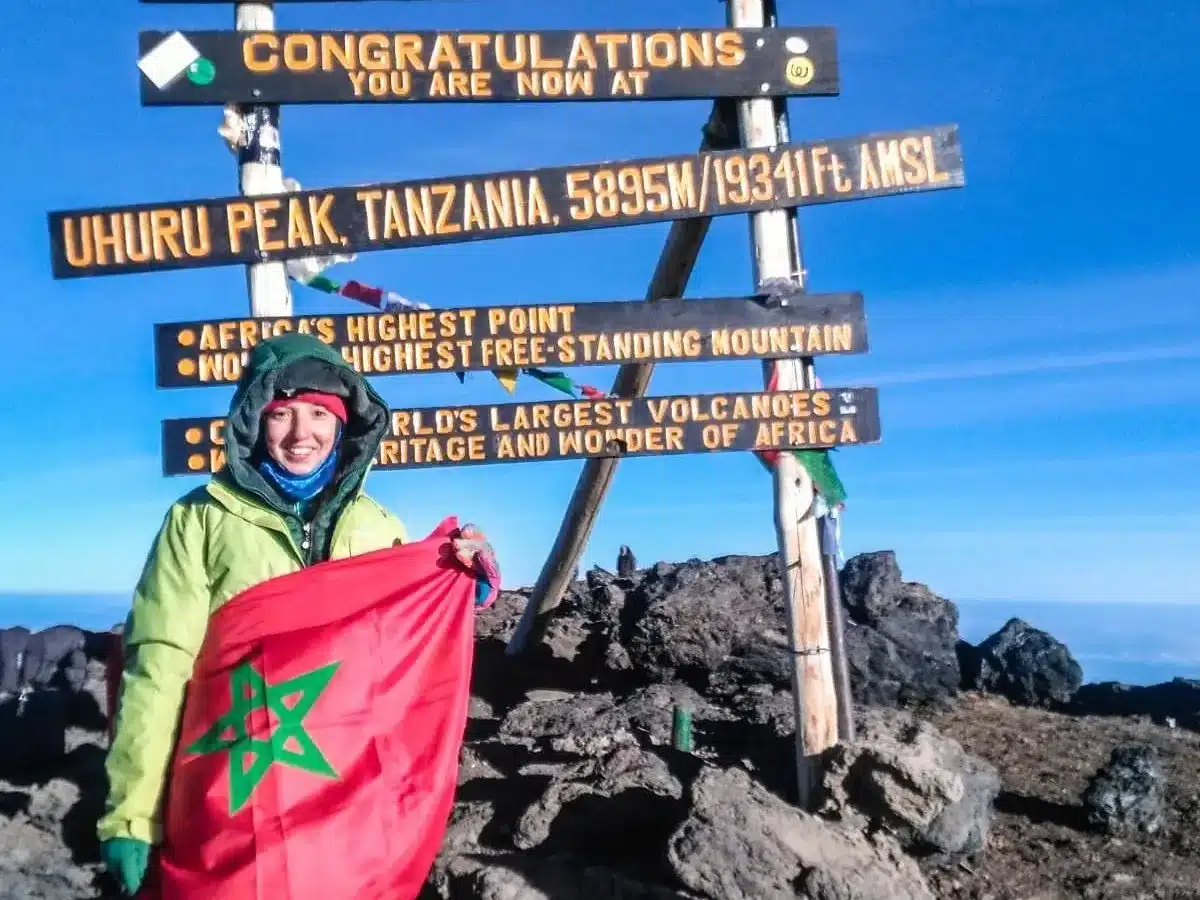
Standing at 5,895 meters, Uhuru Peak dominates the in africa map landscape as the continent’s ultimate high point. That summit selfie carries geographic bragging rights no other African mountain can match.
5. Wildlife Encounters at Lower Elevations
Colobus monkeys chatter through forest stages, while buffalo tracks occasionally cross mountain paths. The northern wilderness corridor offers rare sightings that southern routes miss entirely.
6. Cultural Connection with Chagga Guides
Local porters and guides share ancestral mountain knowledge, transforming your climb into cultural exchange. Their stories about “the mountain of greatness” add depth beyond physical achievement.
7. Prime Weather Windows Year-Round
Two dry seasons—January through March and June through October—provide reliable summit conditions. Unlike Everest’s narrow climbing window, Kilimanjaro offers flexibility for your schedule.
Exploring Tanzania’s Northern Circuit 🌿
Beyond Kilimanjaro’s summit, Tanzania’s Northern Circuit presents a landscape that embodies some of the most compelling africa facts: this region protects over 30% of the country’s total wildlife population across interconnected ecosystems. The Serengeti-Ngorongoro corridor alone spans 30,000 square kilometers of migration routes, predator territories, and ancient volcanic calderas that have shaped both geology and human evolution.
Pairing your seven-day Rongai ascent with a safari expedition transforms a singular achievement into a comprehensive African immersion. Most climbers allocate three to five days post-summit for game drives, allowing fatigued muscles to recover while witnessing the Great Migration’s river crossings or tracking black rhinos in Ngorongoro Crater—a UNESCO World Heritage site harboring Africa’s densest large predator concentration.
The logistics align naturally. Kilimanjaro International Airport sits equidistant between Arusha (safari hub) and the mountain’s eastern gates, creating seamless transitions. Tour operators typically structure itineraries with detailed gear preparation preceding the climb, followed by lighter safari packing—swapping trekking poles for binoculars and camera lenses.
Tarangire National Park offers quieter alternatives to Serengeti’s crowds, showcasing baobab-dotted landscapes where elephant herds numbering 300+ congregate during dry season. Lake Manyara adds flamingo spectacles and tree-climbing lions to the biodiversity roster, proving Tanzania’s Northern Circuit delivers variety beyond the mountain’s singular challenge.
Practical Tips for Climbing and Safari
Combining Kilimanjaro with a safari requires strategic planning. Book your climb first, then schedule wildlife viewing as a recovery period—your body needs three to five days to readjust after summit attempts. This sequencing also capitalizes on one of the most fascinating in africa facts: Tanzania’s protected areas exist at sea level, offering your cardiovascular system gentle reacclimatization while you witness the Big Five.
Stay flexible with your itinerary. Weather patterns shift rapidly in East Africa, particularly during transition months between dry and wet seasons. A common pattern is building an extra buffer day between your descent and safari departure, preventing rushed transfers if your climb runs behind schedule.
However, don’t overpack your schedule. One quotable truth: “The best safari moments happen when you’re mentally present, not physically exhausted from pushing summit attempts.” Allow rest days in between activities—your experience quality depends on energy reserves. Consider lodges near Arusha that specialize in post-climb recovery, offering massage services and nutritious meals that help restore depleted glycogen stores after high-altitude exertion.
Gear Checklist 🧳
Proper equipment directly impacts summit success on Africa’s highest peak—where despite there being only one Kilimanjaro in Africa, conditions vary dramatically across its five ecological zones. Your gear list should address temperatures ranging from tropical base to arctic summit, with nighttime lows reaching -20°F at Uhuru Peak.
Essential Layering System: Start with moisture-wicking base layers, add insulating mid-layers (fleece or down), and finish with a waterproof, windproof shell. This versatility matters because you’ll experience four distinct climate zones in a single day. Pack a -20°F sleeping bag—rental options often prove inadequate during summit night when hypothermia risks peak.
Critical Items Often Overlooked: Trekking poles reduce knee strain by 25% on descents, according to climbing performance data. Bring a headlamp with extra batteries for the midnight summit push, high-altitude sunglasses (UV protection essential above 12,000 feet), and hydration bladders that won’t freeze at altitude.
Footwear Strategy: Broken-in waterproof boots with ankle support are non-negotiable. Pair them with gaiters to prevent volcanic dust infiltration and bring camp shoes for evening relief. Blisters derail more summit attempts than altitude sickness—proper sock layering (liner plus wool) creates the difference between success and evacuation.
Your gear checklist shouldn’t replicate generic packing lists. Altitude, not distance, creates the challenge on Kilimanjaro’s slopes.
Expert Tips from Tanzanian Guides
Listen to your body, not your watch—the most experienced guides on Kilimanjaro emphasize “pole pole” (slowly, slowly) as the single factor that separates summit success from failure. Rushing uphill depletes oxygen reserves faster than altitude itself. Guides monitor breathing patterns and adjust pace accordingly, often slowing groups down when climbers feel strongest. This counterintuitive approach explains why longer routes have success rates up to 85% compared to 45% on rushed itineraries—the extra acclimatization days matter more than fitness levels.
CTA: Book Your Kilimanjaro + Northern Circuit Adventure Now
Ready to join those who reach the summit? Combining Kilimanjaro’s Lemosho route with Tanzania’s Northern Circuit safari creates an unforgettable journey—but peak-season slots fill 3-6 months ahead. Secure your guided trek now.
✅ Final Takeaway
Your summit success depends less on fitness than on smart acclimatization choices—selecting a 7-day route over shorter alternatives can boost your odds from 27% to 85%, making route selection the single most impactful decision you’ll make before Kilimanjaro.
Day 1: Rongai Gate to Rongai Cave (2,600m to 2,850m)
Your Rongai adventure begins gently—the first day’s modest 250-meter elevation gain makes it the perfect acclimatization introduction. Most trekkers complete this 8-kilometer forest walk in 3-4 hours, arriving at camp with energy to spare. The trail winds through pine forests on Kilimanjaro’s northern slopes, where you’ll likely spot colobus monkeys and exotic bird species that thrive in this lower-elevation ecosystem. Unlike steeper routes that shock your system immediately, Rongai’s gradual start lets your body begin adapting to altitude without stress, setting the foundation for later success at higher camps.
Day 2: Rongai Cave to Kikelewa Cave (2,850m to 3,600m)
Day two challenges your legs more than your lungs—the 750-meter ascent represents the route’s steepest sustained climb, yet most trekkers adapt well because yesterday’s gentle start primed their bodies for work. The trail transitions from moorland into heath zone, where giant heather creates a mystical corridor and the vegetation noticeably thins with each hundred meters gained.
What makes this section particularly valuable for acclimatization is the gradual exposure to reduced oxygen levels while maintaining moderate physical exertion. A common pattern is that trekkers who struggled initially now find their stride, their breathing synchronized with the pace their guides deliberately set. The 6-7 hour journey covers roughly 14 kilometers, allowing your body continuous altitude adaptation without the shock of rapid ascent.
Kikelewa Cave sits in a sweet spot elevation-wise—high enough that you’ll notice the thinner air during evening activities, yet low enough that most people sleep reasonably well. One practical approach is using this evening to test your summit-night gear and notice how your body responds to simple tasks at altitude, since even basic movements require slightly more effort than they did 750 meters below.
Day 3: Kikelewa Cave to Mawenzi Tarn (3,600m to 4,330m)
The 730-meter climb to Mawenzi Tarn marks your transition into the alpine zone—vegetation thins dramatically as you ascend toward Kilimanjaro’s second-highest peak. This day presents the route’s most striking scenery: the jagged volcanic spires of Mawenzi (5,149m) dominate your eastern horizon, their dark rock contrasting against perpetual snow patches clinging to shadowed crevices.
The trail steepens noticeably after leaving Kikelewa Cave, climbing through moorland where giant lobelias—those prehistoric-looking plants unique to East African mountains—stand like sentinels. Your breathing becomes more deliberate as oxygen levels drop, a preview of the altitude challenges ahead. Most trekkers first notice altitude effects here: mild headaches or slight breathlessness that resolve with rest.
Mawenzi Tarn Camp sits in a dramatic cirque beneath Mawenzi’s western cliffs, surrounded by boulder fields and patches of alpine grass. The tarn itself—a small mountain lake—reflects the peaks when winds calm, creating photographs that justify the day’s effort. Evening temperatures drop sharply at this elevation, often reaching freezing point after sunset, making proper layering essential for comfort during dinner and evening briefings about tomorrow’s crucial acclimatization hike.
Day 4: Acclimatization at Mawenzi Tarn
Strategic rest days aren’t luxury—they’re the difference between summit success and altitude failure. At 4,330 meters, Mawenzi Tarn serves as your body’s training ground for the physiological stress ahead, with acclimatization days boosting summit success rates from approximately 27% on rushed itineraries to 85% on properly paced routes.
The “climb high, sleep low” principle dominates this rest day—most groups ascend 100-200 meters toward Mawenzi Peak’s base before returning to camp. This tactical elevation gain triggers red blood cell production without accumulating the fatigue that sleeping higher would create. Your body adapts without the stress.
However, “rest day” proves misleading terminology. Expect 3-4 hours of light hiking rather than lounging in your tent. The movement maintains cardiovascular conditioning while allowing recovery from previous climbs. One practical approach is morning acclimatization walks followed by afternoon hydration and nutrition focus—your appetite typically diminishes above 4,000 meters, making conscious eating essential.
Watch for subtle altitude indicators: persistent headaches unresponsive to ibuprofen, breathlessness during normal camp activities, or decreased urine output despite adequate water intake. These signals suggest your body needs more adaptation time before attempting the summit push from Kibo Hut tomorrow.
Day 5: Mawenzi Tarn to Kibo Hut (4,330m to 4,700m)
The final approach to base camp is deceptively short but psychologically crucial—this 370-meter ascent crosses the lunar landscape of the Saddle, a vast alpine desert stretching between Mawenzi and Kibo peaks. Most trekkers complete the 5-6 kilometer traverse in under five hours, arriving at Kibo Hut by early afternoon to maximize rest before summit night.
The terrain shifts dramatically from rocky highlands to volcanic scree fields. Kibo Hut sits at the edge of breathability—oxygen levels drop to roughly 56% of sea level concentrations, making every task feel exhausting. Summit preparation dominates the afternoon: organizing gear layers, testing headlamps, hydrating aggressively, and attempting early sleep before the midnight wake-up call that launches your summit bid toward Uhuru Peak’s 5,895-meter crown.
Day 6: Summit Uhuru Peak & Descend to Horombo Hut (4,700m to 5,895m to 3,720m)
Summit night begins at midnight—the most physically demanding 18-20 hours of the entire trek. The predawn ascent through Gilman’s Point (5,685m) to Uhuru Peak pushes climbers through extreme cold (-20°C), oxygen-depleted air, and psychological barriers. What separates summit success from turning back 200 meters short? Pacing discipline: maintaining one deliberate step every two seconds, regardless of how fast your mind screams to move faster or stop entirely.
The Rongai Route delivers 82-85% summit success rates, significantly higher than popular alternatives. However, on summit night specifically, the success differential narrows to individual acclimatization and mental fortitude. Nausea, headaches, and finger numbness are near-universal above 5,500 meters—experiencing symptoms doesn’t predict failure. What matters: did you maximize oxygen absorption during the previous five days? Summit attempts beginning with oxygen saturation below 85% face substantially reduced odds.
Post-summit descent covers 2,175 vertical meters in a single day, dropping from the alpine desert through moorland zones to forest-fringe elevation. This massive elevation loss accelerates recovery but demands knee stability and focus despite exhaustion. Trekking poles become essential safety equipment as tired legs navigate loose volcanic scree, then muddy forest paths where attention lapses cause most non-altitude-related injuries. The physical contrast—photographing glaciers at dawn, sleeping in forest humidity by dusk—creates the trek’s most surreal 24 hours.
Day 7: Horombo Hut to Marangu Gate (3,720m to 1,970m)
The final descent covers 1,750 vertical meters through rapidly changing ecosystems—a 5-6 hour trek that transforms the lunar highlands back into lush rainforest. Morning legs feel surprisingly resilient despite yesterday’s marathon, though knees protest the relentless downhill. Trekking poles become essential for navigating the steep, often muddy sections through moorland and heath zones. By mid-descent, the first tree heathers appear, followed by the dense canopy where colobus monkeys swing overhead and moisture drips from moss-covered branches. Most trekkers reach Marangu Gate by early afternoon, where summit certificates await—green-bordered certificates for Gilman’s Point (5,681m) and gold-bordered for Uhuru Peak. The gate buzzes with celebration as groups photograph their accomplishment, tip porters and guides according to standard customs (typically $200-300 total per trekker), then transfer back to Moshi hotels for proper showers and celebratory dinners.
Tour Reviews
Past climbers consistently rate the Marangu Route experience between 4.5-5 stars, with particular praise for the hut accommodations and well-maintained trail infrastructure. Reviews emphasize the value of experienced guides who recognize early altitude symptoms and adjust pacing accordingly—a critical factor given the route’s condensed acclimatization schedule.
Leave a Review
Your feedback helps future climbers make informed decisions about their Kilimanjaro journey. Sharing your honest experience—from the hut accommodations and guide expertise to trail conditions and altitude challenges—provides valuable insights that complement official success data. Consider including specific details about packing decisions, acclimatization strategies, or unexpected highlights that might benefit others planning their ascent.
You May Also Like
Expand your East African adventure beyond Kilimanjaro’s summit with complementary experiences that maximize your journey to Tanzania while you’re already acclimatized and in the region.
What is the best time of year to climb Mount Kilimanjaro?
Tanzania’s equatorial location creates two primary climbing windows that offer the most favorable conditions. The dry seasons—January through March and June through October—provide the clearest skies, warmest temperatures at altitude, and most stable weather patterns for summit attempts.
The longer dry season from June to October attracts the majority of climbers, with July and August representing peak season when trails become noticeably busier. However, this period also coincides with northern hemisphere summer vacations, meaning advance booking becomes essential. Morning temperatures at Uhuru Peak during these months typically range from -7°C to -15°C, with afternoon warmth reaching 20-25°C at lower elevations.
January through mid-March offers an attractive alternative with fewer crowds and comparable weather conditions. Following the short rains of November and December, the landscape transforms with lush vegetation and dramatic cloud formations. This window particularly appeals to photographers seeking pristine snow coverage on the summit and vibrant flora along lower trails.
The wet seasons—April through May and November—bring afternoon rains that intensify trail difficulty and reduce visibility. While these months see significantly discounted rates and empty trails, summit success rates drop considerably due to slippery conditions and persistent cloud cover that obscures the panoramic views climbers travel thousands of miles to experience.
Temperature variations between seasons affect more than just comfort—they directly impact acclimatization success. The warmer January-March window allows for more comfortable evening hours at camp, potentially improving sleep quality during the critical acclimatization phase when your body adapts to decreasing oxygen levels.
What are the main routes for climbing Kilimanjaro and their difficulty levels?
Seven established routes ascend Kilimanjaro, each offering distinct experiences and success rates that range dramatically from 27% to 85% depending primarily on acclimatization time and technical demands. The Marangu Route—nicknamed the “Coca-Cola Route”—provides hut accommodation and represents the shortest option at five days, though its rapid ascent profile contributes to lower summit success rates around 50%. The Machame Route, known as the “Whiskey Route,” challenges trekkers with steeper sections while offering superior acclimatization through its “climb high, sleep low” profile, achieving success rates near 73% on seven-day itineraries.
Technical difficulty varies considerably across routes. The Lemosho and Northern Circuit routes provide the gentlest gradient profiles with success rates exceeding 85% on extended itineraries, making them ideal for first-time altitude trekkers despite higher costs. Conversely, the Umbwe Route presents the most aggressive ascent angle with limited acclimatization opportunities, resulting in the lowest success rates—a route best suited for experienced altitude climbers seeking challenge over comfort. The Rongai Route approaches from Kenya’s northern border, offering drier conditions and moderate difficulty with wildlife viewing opportunities during lower elevation stages.
How can I prepare physically for a Kilimanjaro trek?
Cardiovascular endurance forms the foundation of successful summit attempts, as the trek demands sustained hiking at altitude for 5-8 hours daily over multiple days. A training program should begin 12-16 weeks before departure, focusing on building aerobic capacity through activities like hiking with a weighted pack, running, cycling, or stair climbing. Weekend training hikes of 4-6 hours with gradual elevation gain most closely replicate the actual climbing conditions.
Leg strength and core stability prevent injury and reduce fatigue during long descent days. Incorporate exercises like lunges, squats, step-ups, and planks into your routine 3-4 times weekly. According to How Difficult is it to Climb Kilimanjaro, proper physical conditioning significantly improves your chances of reaching the summit, as mental determination alone cannot compensate for inadequate fitness levels when altitude stress intensifies.
Practice hiking in your actual trekking boots and carrying your daypack to identify potential discomfort issues before departure. However, no amount of physical training fully prepares your body for altitude effects—acclimatization walks and proper pacing strategies during the climb matter equally. The key question becomes not just fitness level, but also the financial investment required to make this preparation worthwhile.
What is the average cost of a guided Kilimanjaro climb?
Guided Kilimanjaro expeditions typically range from $1,500 to $5,000 per person, with pricing influenced by route selection, group size, operator quality, and trip duration. Budget operators cluster around $1,500-$2,200, mid-range services fall between $2,200-$3,500, and premium outfitters command $3,500-$5,000 or more. The seven-day Machame route commonly costs $2,000-$2,800, while the longer eight-day Lemosho route averages $2,500-$3,500 due to extended logistics.
Price variations reflect meaningful differences in service quality. Lower-cost operators sometimes compromise on porter welfare, guide expertise, or equipment standards—factors that directly impact summit success rates. Reputable companies include park fees ($800+), professional guides, quality camping gear, sufficient porter support, and comprehensive safety protocols in their packages. In practice, climbers who invest in experienced operators with better guide-to-client ratios and proper acclimatization schedules achieve notably higher summit success rates.
Hidden costs can add $500-$800 to base prices: international flights, visas ($100), travel insurance with high-altitude coverage, personal gear purchases or rentals, tip gratuities for guides and porters ($250-$350 recommended), and pre/post-trek accommodation. Tipping represents a crucial component of porter income, making it an ethical obligation rather than an optional expense. What typically happens is that climbers underestimate these supplementary costs, so budgeting 25-30% above the base trek price provides realistic financial planning.
What equipment and gear are essential for a Kilimanjaro expedition?
Layered clothing systems prove critical for managing temperature swings from 80°F at the base to -10°F at the summit. Start with moisture-wicking base layers, add insulating mid-layers like fleece or down, and top with waterproof, windproof outer shells. Quality hiking boots—broken in beforehand—prevent blisters during 50+ miles of trekking across varied terrain.
A four-season sleeping bag rated to at least -10°F ensures comfort during frigid nights at high camps. Most outfitters provide tents and dining equipment, but personal items like trekking poles, headlamps with extra batteries, and high-altitude sunglasses remain your responsibility. Hydration systems holding 3+ liters prevent altitude-related complications, as proper fluid intake directly correlates with acclimatization success.
Pack a comprehensive first-aid kit including blister treatment, pain relievers, and prescribed altitude medications. Daypack capacity of 25-35 liters accommodates daily essentials like snacks, water, and extra layers, while porters carry your main duffel (typically 15kg maximum). Consider renting specialized gear like gaiters and trekking poles locally to reduce luggage weight and costs.
How can altitude sickness be managed while climbing Kilimanjaro?
Gradual ascent remains the most effective prevention strategy, with successful climbers typically gaining no more than 1,000-1,500 feet in sleeping elevation per day above 10,000 feet. The “climb high, sleep low” principle allows your body to adapt progressively—ascending to higher elevations during the day while returning to lower camps for overnight rest triggers physiological adjustments that improve oxygen efficiency.
Adequate hydration proves critical, with climbers consuming 3-5 liters of water daily to combat altitude-induced dehydration. However, maintaining proper fluid intake becomes more challenging as you ascend. On the other hand, overhydration can dilute blood sodium levels, creating different complications. Balance matters more than volume alone.
Acetazolamide (Diamox) accelerates acclimatization by stimulating breathing rates and reducing symptoms. A common pattern is starting the medication one day before ascent at 125-250mg doses. Yet some climbers experience side effects including tingling sensations and increased urination. Consulting with a physician familiar with high-altitude medicine before departure remains essential.
Recognition of symptoms allows early intervention—headaches, nausea, dizziness, and fatigue signal your body’s struggle with reduced oxygen. Descending just 1,000-1,500 feet typically produces immediate relief, making altitude sickness one of the few medical conditions where the cure involves simply moving downward. This reality explains why longer routes achieve higher summit success rates, giving bodies more adaptation time. As you explore the mountain’s unique environment, understanding nearby cultural attractions adds another dimension to your journey.
Are there any cultural or historical sites to visit near Kilimanjaro?
The Chagga people’s traditional villages dot Kilimanjaro’s slopes, offering authentic insights into centuries-old agricultural practices and tunnel systems. These communities have cultivated the mountain’s fertile lower zones for generations, developing intricate irrigation channels and underground caves that once served as hideouts during tribal conflicts. Many villages welcome visitors for guided tours of traditional homesteads, coffee plantations, and banana groves.
Moshi and Arusha serve as cultural gateways, with bustling markets where Maasai craftspeople sell beadwork alongside Chagga wood carvings. The Marangu waterfall trail combines natural beauty with cultural encounters, as local guides share stories of the mountain’s spiritual significance to indigenous communities. However, travelers should note that these cultural experiences work best when scheduled before or after the trek, as climbing days require full focus on acclimatization and summit preparation.
The surrounding region also includes historical German colonial buildings and World War I battle sites, remnants of East Africa’s complex past. These explorations enrich the Kilimanjaro experience, transforming a climbing expedition into a deeper understanding of Tanzania’s layered heritage and the communities who’ve called Africa’s highest peak home for centuries.
What wildlife can be encountered during a Kilimanjaro climb?
The lower montane forest zone supports the most diverse wildlife, including colobus monkeys, blue monkeys, and colorful turacos that inhabit the dense canopy below 3,000 meters. While climbing, trekkers frequently spot four-striped grass mice scurrying across trails and occasionally glimpse bushbuck or duiker in clearings during early morning ascents.
Above the treeline, wildlife becomes increasingly sparse as oxygen levels drop and temperatures plummet. However, ravens and white-necked ravens follow climbers to higher camps, seeking food scraps, while the occasional lammergeier may circle overhead in thermal currents.
Kilimanjaro in africa map
Kilimanjaro sits at coordinates 3.0674°S, 37.3556°E in northeastern Tanzania, approximately 205 miles south of the equator and 140 miles from the Indian Ocean coast. The mountain dominates the landscape near the Kenyan border, visible from both countries on clear days, though it lies entirely within Tanzania’s boundaries.
The massif spans 750 square kilometers at its base, with three distinct volcanic cones: Kibo (the highest), Mawenzi, and Shira. Six official climbing routes—Marangu, Machame, Lemosho, Rongai, Umbwe, and Northern Circuit—converge toward Uhuru Peak from different compass points, each offering varied terrain and acclimatization profiles.
Major access points include Kilimanjaro International Airport, located 46 kilometers from Moshi town, which serves as the primary gateway for climbers. Arusha, Tanzania’s safari capital 80 kilometers southwest, provides alternative accommodation and expedition departure options. The mountain’s proximity to these urban centers makes logistics considerably simpler than many remote peaks.
Understanding Kilimanjaro’s geographical position helps explain its unique climate zones—the mountain creates its own weather patterns by forcing moisture-laden air from the Indian Ocean upward, producing five distinct ecological zones from tropical rainforest at 800 meters to alpine desert above 4,000 meters.
Kilimanjaro in africa facts
Kilimanjaro stands as Africa’s tallest freestanding mountain at 19,341 feet, making it one of the world’s most accessible high-altitude peaks for non-technical climbers. The mountain features five distinct climate zones—cultivated farmland, rainforest, heather moorland, alpine desert, and arctic summit—compressed into a vertical trek that typically spans seven days. Approximately 35,000 climbers attempt the summit annually, though success rates vary dramatically by route, ranging from 27% on rushed itineraries to 85% on properly acclimatized seven-day treks. However, only about 30% of the world’s population lives at elevations above 1,640 feet, meaning most climbers face significant altitude adjustment challenges they’ve never experienced before.
How many kilimanjaro in africa
There is only one Mount Kilimanjaro in Africa, located exclusively in northeastern Tanzania. The mountain is a single volcanic massif with three distinct volcanic cones—Kibo, Mawenzi, and Shira—that together form this iconic peak. While other African countries feature impressive mountains, none share Kilimanjaro’s name or status as the continent’s tallest freestanding mountain.
Mount kilimanjaro in africa
Mount Kilimanjaro represents Africa’s ultimate trekking achievement, drawing adventurers to Tanzania’s northern border where three volcanic cones—Kibo, Mawenzi, and Shira—form the continent’s highest massif. This dormant stratovolcano rises dramatically from the surrounding plains, creating five distinct climate zones that climbers traverse from tropical rainforest to arctic summit conditions. The mountain’s accessibility as a non-technical climb, combined with its prestigious status as one of the Seven Summits, makes it uniquely positioned in the world of high-altitude mountaineering—no ropes or specialized equipment required, yet altitude remains the defining challenge for summit success.
Mount Kilimanjaro country
Mount Kilimanjaro sits entirely within Tanzania, a single nation in East Africa that holds exclusive sovereignty over Africa’s highest peak. The mountain rises near Tanzania’s northern border with Kenya, but belongs completely to Tanzanian territory—no border splits the summit or its volcanic cones. This geographical reality means all Kilimanjaro climbs begin and end in Tanzania, with trailheads accessed through the country’s northern tourism infrastructure centered around Moshi and Arusha.
What is the best time of year to climb Mount Kilimanjaro?
January through March and June through October offer the most reliable climbing conditions, with January-March delivering the warmest temperatures and clearest skies. These dry seasons provide optimal visibility and trail conditions, though summit temperatures still drop well below freezing year-round. The April-May long rains and November short rains create muddy, slippery trails with reduced summit success rates—conditions that transform even moderate routes into genuine challenges requiring additional preparation and flexibility.
How can I prepare physically for a Kilimanjaro trek?
Building cardiovascular endurance through consistent aerobic training forms the foundation of successful Kilimanjaro preparation. Focus on activities that elevate your heart rate for extended periods—hiking with a weighted pack, stair climbing, running, or cycling—aiming for 4-5 sessions weekly in the months before your trek. Incorporate elevation gain wherever possible, as training with weighted backpacks on inclines most closely mimics the mountain’s demands. Strength training for your legs, core, and shoulders supports the six to eight hours of daily walking you’ll face on the trail. However, altitude adaptation matters more than peak fitness—extremely fit athletes still fail when they ascend too quickly, while moderately prepared climbers succeed through proper acclimatization.
What is the average cost of a guided Kilimanjaro climb?
Guided Kilimanjaro expeditions typically range from $1,500 to $5,000+ per person, with pricing influenced primarily by route selection, group size, and operator quality. Budget operators clustering at the lower end often compromise on guide ratios, equipment quality, and porter welfare, while premium services exceeding $3,500 deliver superior safety protocols and ethical employment practices.
Route choice significantly impacts total costs—the popular seven-day Lemosho route generally costs $2,200-$3,800, whereas shorter five-day Marangu options start around $1,800 but carry substantially lower summit success rates. Group treks distribute operational expenses across participants, reducing per-person costs by 20-30% compared to private expeditions. However, park fees constitute nearly $1,000 of any package regardless of operator, establishing a practical cost floor that makes extremely cheap offers suspicious.
Additional expenses beyond the base package merit careful planning. International flights, Tanzania visa fees ($50-$100), comprehensive travel insurance with high-altitude coverage, personal gear purchases or rentals, gratuities for guides and porters ($250-$350 recommended), and post-climb accommodation in Moshi or Arusha collectively add $800-$2,000 to the total investment. Understanding these components helps climbers evaluate true expedition costs and avoid underestimating their budget, setting realistic financial expectations for the proper gear and safety measures essential for summit success.
What equipment and gear are essential for a Kilimanjaro expedition?
Layered clothing systems designed for extreme temperature fluctuations form the cornerstone of essential Kilimanjaro gear. Base layers should include moisture-wicking synthetics or merino wool, mid-layers require insulating fleece or down jackets, and outer shells must provide waterproof protection against sudden weather changes. Quality four-season sleeping bags rated to -10°C (14°F) prove critical at higher elevations where nighttime temperatures plummet dramatically.
Proper footwear makes the difference between summit success and early descent—sturdy, broken-in hiking boots with ankle support and insulated liners prevent blisters and cold-related injuries. Trekking poles reduce knee strain during steep descents, while a headlamp with extra batteries enables safe navigation during pre-dawn summit attempts that typically begin around midnight.
However, climbers often underestimate smaller essentials that significantly impact comfort and safety. High-altitude sunglasses with UV protection prevent snow blindness, water purification tablets ensure safe hydration when bottled water runs out, and blister prevention supplies address the most common reason for summit failures after altitude sickness.
How can altitude sickness be managed while climbing Kilimanjaro?
Gradual ascent profiles directly correlate with acclimatization success and summit achievement. Routes with slower elevation gain patterns—particularly those spreading 19,341 feet across seven or more days—demonstrate success rates exceeding 85%, compared to rushed itineraries showing completion rates below 50%. The “climb high, sleep low” principle remains fundamental: ascending to higher elevations during the day while descending to lower camps for overnight rest allows physiological adaptation to reduced oxygen levels.
Hydration protocols and medication regimens form the second defense layer against altitude-related complications. Consuming 4-5 liters of water daily helps maintain blood volume and oxygen transport efficiency, while acetazolamide (Diamox) taken prophylactically accelerates acclimatization by stimulating breathing rate. However, medication cannot substitute for proper pacing—descending immediately when severe symptoms appear remains the most effective intervention.
Recognition of warning signs determines whether climbers continue or retreat safely. Mild headaches and slight breathlessness represent normal adjustment responses, but persistent vomiting, confusion, or loss of coordination signal dangerous progression requiring immediate descent. Monitoring systems including pulse oximetry readings and symptom tracking help guides make informed decisions about each climber’s readiness to proceed higher.
👉 Ready to summit?
📞 Call/WhatsApp: +255 784 411 852
🔗 Visit Us: East Africa Travel Company
Packages available: Kilimanjaro-only & combo with 3–5 day Northern Circuit safari. Expert guides, porter support, tented luxuries—you’re covered!
✅ Final Takeaway
-
Climb Mt Kilimanjaro in Tanzania via the serene 7‑day Rongai route—top-tier acclimatization, views, and success.
-
Then dive into Tanzania’s Northern Circuit for iconic safari thrills!
-
It’s the dual adventure of a lifetime: from the peak of Kilimanjaro volcano to the plains of Serengeti.
Book early—slots fill fast, especially during peak dry seasons. Conquer Kilimanjaro Africa and explore Tanzania mountain Kilimanjaro within the perfect week!
| Destination | Mt Kilimanjaro |
|---|---|
| Arrival | Kilimanjaro International Airport (JRO) |
| Departure Time | Yes Require |
| Included |
✅ Included (all prices include VAT)
|
| Excluded |
❌ Not included
|
| Mt Kilimanjaro in Africa | |
Day 1: Rongai Gate to Rongai Cave (2,600m to 2,850m)
Begin your Kilimanjaro adventure! Start from Rongai Gate and trek through lush forest to reach Rongai Cave. Keep an eye out for colobus monkeys and enjoy your first night under the stars.
Day 2: Rongai Cave to Kikelewa Cave (2,850m to 3,600m)
Ascend into moorland terrain with sweeping views of the mountain. Kikelewa Cave offers a quiet campsite and a great acclimatization stop.
Day 3: Kikelewa Cave to Mawenzi Tarn (3,600m to 4,330m)
A steep climb leads to a stunning campsite beneath the towering Mawenzi Peak. Spend the afternoon acclimatizing and enjoying epic views.
Day 4: Acclimatization at Mawenzi Tarn
Stay put for acclimatization. Short hikes are optional around Mawenzi to help adjust to the altitude and increase summit success.
Day 5: Mawenzi Tarn to Kibo Hut (4,330m to 4,700m)
Cross the alpine desert to reach Kibo Hut—your final base before the summit. Eat, hydrate, and rest early for the midnight ascent.
Day 6: Summit Uhuru Peak & Descend to Horombo Hut (4,700m to 5,895m to 3,720m)
Start the summit push at midnight. Reach Uhuru Peak at sunrise, Africa’s highest point! Descend to Horombo for well-deserved rest.
Day 7: Horombo Hut to Marangu Gate (3,720m to 1,970m)
Final descent through rainforest. Collect your summit certificate at Marangu Gate and celebrate an unforgettable achievement.
Tour Reviews
There are no reviews yet.
Leave a Review