Materuni Waterfalls adventures await! Discover 7 epic reasons why this stunning destination should top your Tanzania travel list.
Hidden in the lush foothills of Mount Kilimanjaro, Materuni Waterfalls plunges 80 meters through emerald rainforest—a spectacular reward for those willing to venture beyond Tanzania’s typical tourist circuit. This natural wonder combines cascading water, traditional Chagga culture, and coffee plantation experiences into one unforgettable day trip from Moshi or Arusha. Whether you’re seeking adventure between safaris or craving an authentic connection with local communities, combining waterfalls and coffee creates the perfect cultural immersion.
🌊 Materuni Waterfalls: 7 Epic Reasons to Visit
Materuni Waterfalls consistently ranks among Tanzania’s most rewarding day trips, offering far more than stunning scenery. This 80-meter cascade hidden in Kilimanjaro’s foothills delivers an immersive cultural and natural experience that transforms a simple waterfall visit into a memorable adventure.
Nature meets culture in ways few destinations achieve. Unlike isolated natural attractions, Materuni integrates its spectacular waterfalls with authentic Chagga village experiences. The combination of waterfalls and coffee farm tours creates a compelling half-day or full-day adventure that appeals to photographers, culture enthusiasts, and active travelers alike. However, the real magic lies in what happens between the trailhead and the falls—encounters with local farmers, glimpses of traditional irrigation systems, and the rhythmic sounds of the rainforest canopy overhead.
The accessibility factor matters significantly for travelers on tight schedules. Located just 15 kilometers from Moshi, Materuni sits within easy reach yet feels worlds away from urban Tanzania. This proximity eliminates the multi-day commitments required for other Kilimanjaro attractions while delivering comparable natural grandeur. One practical advantage: the moderate 45-minute hike filters out casual tour buses, creating an intimate atmosphere without requiring advanced fitness levels. The trail’s manageable challenge strikes a balance—engaging enough to feel accomplished, accessible enough for most visitors.
🌊 Materuni Waterfall Visit – Prices & Tours (2026)
Planning your Materuni Waterfalls adventure requires understanding the cost structure—which varies dramatically depending on whether you go independently or book an organized tour. The materuni waterfalls entrance fee stands at approximately 15,000 TZS ($6.50 USD) for international visitors, but this baseline cost tells only part of the story.
Organized tours from Moshi or Arusha typically range from $50 to $120 USD per person, incorporating transportation, the local guide fee, and often additional experiences like coffee plantation tours. Independent travelers can reduce costs significantly by arranging transport separately and paying entry fees directly, though you’ll still need to hire a local guide—a mandatory requirement that ensures both safety and community benefit. The choice between these approaches depends less on budget alone and more on whether you prefer structured convenience or flexible exploration, setting the stage for understanding the detailed breakdown of what each cost category actually includes.
💰 Individual Costs (Independent Visit)
Breaking down the independent visit costs reveals a budget-friendly adventure. The Materuni waterfalls location near Moshi makes it accessible without expensive transfers—most visitors reach the village for $15-25 via taxi or dalla-dalla (local minibus) from Moshi town center.
Entry fees remain refreshingly straightforward: $20 per person for the waterfall access, paid directly to the village tourism office. Local guides—mandatory for safety and trail navigation—charge approximately $10-15 per group, not per person, making this particularly economical for pairs or small groups traveling together.
Transportation costs vary significantly based on your approach. A private taxi typically runs $20-30 roundtrip with waiting time, while the adventurous dalla-dalla option costs under $2 each way but requires flexibility with schedules and some Swahili language skills for navigation.
Pro tip: Cash is king here—bring Tanzanian shillings in small denominations, as the village tourism office and guides don’t accept cards or mobile payments. Budget an additional $5-10 for tipping your guide, which directly supports the local community maintaining these trails.
The coffee tour add-on, when arranged independently through village cooperatives, costs $10-15 extra per person. Combined with African safari options, independent travelers often spend $45-65 total for a full-day waterfall and coffee experience—substantially less than organized tour packages but requiring more coordination and research.
🚌 Organized Tour Packages
Organized tours bundle everything into one transparent price, typically ranging $80–$150 per person depending on group size and inclusions. Most packages combine the materuni waterfalls hike with cultural experiences like coffee demonstrations—a pairing that maximizes your time in the Chagga foothills.
Standard tour packages include:
- Round-trip transport from Moshi or Arusha
- All park entrance fees and guide services
- Coffee plantation tour with roasting demonstration
- Light refreshments or lunch
- Cultural performance (in premium packages)
Group tours averaging 4–8 participants offer the best value, with per-person costs dropping significantly compared to private arrangements. Beach Safari reports that bundled experiences consistently receive higher satisfaction ratings than piecemeal bookings—travelers appreciate the seamless logistics and fixed pricing.
Premium operators include optional add-ons like waterfall swimming gear or extended village walks. One practical approach is booking morning departures (7–8 AM) to avoid midday heat during the descent. However, afternoon slots work well for photographers seeking softer light at the falls.
The trade-off? Less flexibility in pacing—tours typically allocate 4–5 hours total, including transit. But for first-time visitors unfamiliar with local transport or negotiating guide fees, organized packages eliminate uncertainty while ensuring you don’t miss key aspects of the broader Kilimanjaro region experience.
📍 Logistics & Locations
Materuni village sits 15 kilometers northeast of Moshi, accessed via a winding dirt road that climbs through lush coffee plantations. The journey takes roughly 45 minutes by car, though public transport options exist for budget-conscious travelers seeking authentic local experiences.
Upon arrival at the village, visitors register and pay the entrance fee at the community office—typically around 20,000 TZS ($8–$10) for non-residents. This fee supports local conservation efforts and trail maintenance, ensuring the footpaths remain accessible during Tanzania’s rainy seasons. The waterfall trailhead begins just beyond the village center, marked by clear signage and usually a gathering of local guides offering their services.
The 2-kilometer hiking trail descends through banana groves and native forest, taking 30–40 minutes each way depending on fitness levels. The path narrows in sections, particularly after rainfall when exposed roots and slick rocks demand careful footing. Most tour operators include proper hiking footwear recommendations in their pre-trip briefings.
Parking facilities near the village accommodate both private vehicles and tour vans, though space becomes limited during peak tourist months (July–September and January–February). However, the relatively remote location means crowds rarely reach the overwhelming levels seen at more mainstream African attractions. Cell phone reception remains spotty throughout the area, so downloading offline maps beforehand proves invaluable for independent travelers navigating the final approach roads.
✨ Why Materuni Waterfalls Belongs on Your Travel Bucket List
Materuni delivers authenticity in an era when overtourism threatens Tanzania’s most famous destinations. While Serengeti and Ngorongoro handle thousands of daily visitors, this waterfall and cultural experience maintains its intimate character—fewer than 200 travelers visit weekly, according to local operator reports.
The accessibility factor transforms the equation. Travelers reaching materuni waterfalls from arusha complete the 90-minute journey through dramatic elevation changes, crossing from savanna plains into mountain cloud forests. This proximity means you can swim beneath the falls at breakfast and watch elephants by sunset—a logistical feat impossible at remote cascades like Kalambo Falls.
What sets Materuni apart is the cultural integration—you’re not observing Chagga traditions from behind a rope line, but roasting beans alongside farmers who’ve tended these slopes for generations. One practical approach is combining the waterfall hike with the coffee ceremony, creating a half-day immersion that requires minimal vacation days while delivering maximum experiential value.
The falls’ 80-meter plunge offers what adventure photographers call “the perfect subject”—consistent flow year-round, accessible foreground rocks for composition, and dramatic light patterns filtering through the forest canopy. However, the real bucket-list credential isn’t photogenic water; it’s the convergence of natural beauty, cultural authenticity, and practical accessibility that few destinations achieve simultaneously.
🌄 1. It’s One of the Most Beautiful Waterfalls in Tanzania
Materuni’s cascading waters plunge 90 meters through a curtain of emerald vegetation, creating a spectacle that rivals Tanzania’s most celebrated natural landmarks. The thunderous drop echoes through a natural amphitheater carved by centuries of erosion, sending mist clouds rising like morning fog across the gorge.
What separates this cascade from Tanzania’s countless other falls is its pristine setting—no guardrails, no concrete platforms, just raw geological beauty framed by wild banana groves and towering hardwoods. The pool at the waterfall’s base maintains crystalline clarity year-round, fed by glacial meltwater trickling down from Kilimanjaro’s snowfields just 30 kilometers away.
Visitors on a day trip from Moshi describe the moment the falls first come into view as “cathedral-like”—a sudden opening in the forest where sunlight pierces through the canopy to illuminate the falling water in shafts of golden light. The scene shifts dramatically with Tanzania’s seasons: during the long rains (March-May), the volume intensifies to a roar; in drier months, the gentler flow reveals individual water strands catching afternoon light.
The surrounding landscape amplifies the visual drama. Chagga agricultural terraces climb the slopes in geometric patterns, their coffee plants forming dark green contrast against the waterfall’s white fury. This isn’t just Tanzania’s hidden gem—TripAdvisor reviews consistently rank it among the country’s top natural attractions, with visitors noting it surpasses expectations set by more famous sites.
🌟 What to Expect:
A materuni waterfalls day trip unfolds as a sensory journey rather than a passive sightseeing tour. The experience begins with a moderate 40-minute hike through coffee and banana plantations, where the temperature drops noticeably as you approach the falls. Visitors consistently report feeling the waterfall’s mist from approximately 50 meters away—a refreshing preview of what awaits.
The trail itself demands reasonable fitness but rewards those willing to navigate occasional muddy patches and uneven terrain. According to TripAdvisor reviews, 90% of visitors rate the hike as “worth the effort” despite its challenges. Waterproof hiking boots prove essential during rainy season (March-May), when the path transforms into a slippery descent.
At the waterfall’s base, a natural plunge pool invites brave swimmers—though the water remains bracingly cold year-round at approximately 15°C. Most visitors spend 30-45 minutes here photographing, swimming, or simply absorbing the thunderous cascade before returning through the village. The round-trip journey typically spans 3-4 hours when combined with a traditional coffee ceremony, creating a perfectly paced half-day excursion from Moshi or Arusha.
📸 Pro Tip:
Arrive before 9:00 AM to capture the waterfall in perfect morning light, when mist patterns create ideal conditions for photography. The early timing also positions you ahead of afternoon tour groups, allowing uninterrupted shots of the cascade and surrounding jungle canopy.
Pair your visit with a coffee tour to maximize the experience—most operators structure itineraries so you can photograph the falls during optimal lighting, then transition to the plantation as mid-morning warmth enhances coffee processing demonstrations. This sequencing protects your camera gear from the heavier afternoon rains that frequently roll through Materuni’s microclimate between 2:00-4:00 PM.
Waterproof protection remains essential regardless of timing. The 90-meter plunge generates constant spray within a 15-meter radius of the pool, and tropical showers can materialize within minutes even during dry season months. However, these conditions create dramatic atmospheric shots—rainbows frequently arch across the falls between 10:00-11:00 AM when sunlight penetrates the canopy at acute angles.
☕ 2. The Coffee Tour is Absolutely Unique
The waterfall and coffee tour combination transforms a simple nature visit into an immersive cultural experience. While Tanzania produces over 60,000 metric tons of coffee annually, few visitors witness the entire production process from cherry to cup in a single authentic session.
What sets Materuni’s coffee experience apart: Local Chagga families guide you through traditional cultivation methods unchanged for generations. You’ll hand-pick ripe arabica cherries, remove the outer fruit layer using wooden mortars, and participate in the roasting process over open flames. The rhythmic pounding becomes a musical performance as villagers demonstrate traditional songs accompanying the work.
The tasting session follows immediately, with freshly roasted beans ground by hand and brewed using indigenous techniques. This direct farm-to-cup process—completed within 30 minutes—reveals flavor profiles impossible to replicate with commercially processed beans. Visitors frequently describe it as the best coffee they’ve experienced in Tanzania.
However, this authenticity comes with a trade-off: production methods are labor-intensive and yields remain modest. The experience prioritizes cultural preservation over efficiency, creating an intimate window into agricultural traditions that larger plantation visits cannot match.
🏡 What You’ll Do:
The materuni waterfalls and coffee experience follows a carefully structured itinerary designed to maximize both natural exploration and cultural immersion. Your day begins with a moderate-paced hike through cultivated banana and coffee plantations, where locals still practice traditional farming methods passed down through generations. The 45-minute ascent winds through shaded forest paths before reaching the waterfall’s viewing platform, offering perfect photography opportunities of the 90-meter cascade.
After waterfall exploration, you’ll transition to the coffee demonstration at a family-run plantation. Here’s where participation becomes central—you’ll grind roasted beans using traditional stone tools, learning techniques that predate modern machinery. The rhythmic grinding process, accompanied by Chagga songs, transforms coffee preparation into a cultural performance rather than mere observation.
The experience concludes with tasting freshly brewed coffee made from beans you helped process, paired with local banana cake. However, timing matters: afternoon visits often encounter larger tour groups, which can diminish the intimate nature of the coffee ceremony. The complete circuit typically requires 4-5 hours, though photographers often extend their waterfall time to capture changing light conditions throughout the day.
🎤 Fun Fact:
The waterfalls and coffee tour at Materuni offers more than scenic beauty—it delivers a rare glimpse into Tanzania’s arabica coffee belt. The region’s volcanic soil, enriched by ancient eruptions from Kilimanjaro, creates ideal growing conditions for some of East Africa’s finest beans. Local Chagga farmers maintain traditional cultivation methods passed down through generations, hand-picking only the ripest cherries at peak maturity.
What makes this experience particularly unique? The entire coffee-making process happens in one location—from tree to cup in under two hours. You’ll roast beans over an open flame, grind them using wooden mortars, and brew the coffee using methods unchanged for centuries. Meanwhile, the 80-meter cascade provides a thunderous soundtrack to your cultural immersion, creating a sensory experience that combines taste, sight, and sound in ways few destinations can match.
🥾 3. It’s an Easy Adventure Near Moshi
The materuni waterfalls hike strikes the perfect balance between accessible and adventurous. Located just 15 kilometers from Moshi town center, this trail delivers genuine mountain scenery without the technical demands of summit attempts or multi-day treks.
The 40-minute uphill walk through banana plantations and forest paths challenges casual hikers just enough to feel accomplished, yet remains manageable for most fitness levels. Materuni Waterfalls attracts families, solo travelers, and those seeking a taste of Tanzania’s landscapes before committing to more demanding wilderness expeditions.
While visiting materuni waterfalls without guide is technically possible for experienced hikers familiar with the area, most visitors benefit from local knowledge—guides identify medicinal plants, explain agricultural practices, and share village stories that transform a simple walk into cultural education. The path itself is well-established, with clear landmarks and occasional fellow trekkers, making it a low-risk introduction to Tanzania’s natural wonders.
🚶♀️ How to Get There:
Most visitors access the falls through an organized materuni waterfalls tour, which typically includes round-trip transportation from Moshi town center. The 15-kilometer drive takes approximately 30-45 minutes along gradually ascending roads that wind through coffee plantations and rural villages. Self-driving requires a 4×4 vehicle during rainy seasons when roads become muddy and uneven.
Shared tours depart from central Moshi hotels between 8:00-9:00 AM, though private departures offer flexible timing. Materuni Waterfalls tours often bundle coffee farm visits with the waterfall hike, maximizing the experience within a half-day timeframe.
Public transport exists but requires multiple transfers—first a dalla dalla (minibus) toward Materuni Village, then a taxi or motorcycle taxi to the trailhead. This option costs significantly less but adds 1-2 hours of travel time each way. Most travelers find the convenience and safety of guided tours worth the modest premium.
🧳 Pro Tip:
Bring swimwear and a waterproof bag for your electronics—the waterfall’s spray zone extends surprisingly far. While the waterfalls hike culminates at a stunning 80-meter cascade, many visitors underestimate the mist’s reach. Those planning to swim in the plunge pool should also pack a towel and change of clothes, as the water temperature hovers around 15°C (59°F) year-round. Additionally, wear shoes with good grip rather than flip-flops; the path becomes slippery near the waterfall base where moss thrives on the rocks.
🌿 4. Experience Authentic Materuni Village Life
Beyond the waterfall itself, Materuni village offers intimate glimpses into traditional Chagga culture—a living museum where daily routines unfold unchanged for generations. The community welcomes visitors not as spectators but as temporary neighbors, sharing agricultural practices, cooking traditions, and social customs that define life on Kilimanjaro’s slopes. This cultural immersion transforms a simple nature excursion into something far more meaningful.
The Chagga people have cultivated these highlands for over 300 years, developing sophisticated irrigation systems that still nourish banana groves and coffee plantations today. Village guides—often farmers themselves—explain how families maintain self-sufficient homesteads where every plant serves multiple purposes. You’ll observe how banana leaves become roofing materials, fibers transform into rope, and tree bark provides traditional medicine. However, modernization is gradually changing these practices, making authentic experiences increasingly precious.
What truly distinguishes Materuni is the genuine warmth of resident hospitality—expect spontaneous invitations to taste home-brewed banana beer or witness traditional songs performed in family courtyards.
🪘 What’s Special:
The Materuni experience uniquely combines three cultural elements in one location—waterfall exploration, coffee production, and living Chagga traditions. Unlike standalone nature sites, this destination integrates environmental beauty with hands-on agricultural education and genuine community interaction. Visitors actively participate in traditional coffee processing while learning the historical significance of Kilimanjaro’s arabica cultivation, which has sustained Chagga communities for generations.
🎤 Fun Fact:
The Materuni Waterfalls drop from approximately 80 meters (262 feet)—roughly the height of a 26-story building—making it one of the tallest accessible waterfalls in the Kilimanjaro region. This dramatic height creates the powerful cascade that visitors can hear from several hundred meters away, long before the falls come into view. The waterfall’s source originates from glacial melt and mountain springs high on Kilimanjaro’s southern slopes, meaning the water flowing over these rocks has traveled from Africa’s highest peak. Interestingly, the Chagga people traditionally considered the waterfall a sacred site, using the pool at its base for purification rituals before important community ceremonies—a practice that continued well into the 20th century.
💦 5. You Can Swim in a Natural Pool
The pool at Materuni’s base transforms the waterfall from a scenic viewpoint into an interactive adventure. Unlike many waterfalls where swimming is prohibited, this natural basin invites visitors to plunge into cool mountain water—a refreshing contrast after the humid hike through coffee plantations. The pool depth varies seasonally, typically ranging from waist to chest height near the edges.
Cold water enthusiasts will appreciate the invigorating temperature, which hovers between 15-18°C (59-64°F) year-round thanks to the glacial melt origins. While this isn’t warm enough for lounging, it’s perfect for a quick swim that leaves you energized rather than overheated. The mineral-rich water cascading from the volcanic slopes carries a slight earthy taste that’s distinctly different from coastal swimming spots.
What makes this swimming experience remarkable is the dramatic backdrop—standing in the pool with 80 meters of falling water thundering behind you creates an almost surreal sensory experience. However, swimming here requires respecting the natural environment: the rocks around the pool can be slippery, and water levels rise significantly during heavy rains, making conditions less suitable for entry during the wet season.
🏊 What to Know:
The pool’s depth varies seasonally, ranging from waist-deep during dry months to over head-height during heavy rains. Before diving in, assess current conditions with your guide—water clarity and flow patterns change daily based on upstream rainfall. The pool’s temperature hovers around 15-18°C (59-64°F) year-round, fed by mountain streams that maintain their coolness regardless of air temperature. While refreshing on hot days, the chill can be startling initially, so ease in gradually rather than jumping straight from the rocks.
⚠️ Pro Tip:
Arrive before 10 AM to avoid tour groups and capture the waterfall in optimal morning light. The path becomes increasingly crowded between 11 AM and 2 PM when most organized excursions converge at the site. Early visitors often have the pool entirely to themselves for photography and swimming, while latecomers may wait in lines to access prime viewing spots along the narrow trail sections.
📸 6. A Photographer’s Paradise
From misty long-exposure cascade shots to vibrant close-ups of tropical flora, Materuni delivers compositions that elevate any portfolio. The 90-meter waterfall creates natural spray that catches morning sunlight, producing ethereal rainbows perfect for landscape photography. Photographers find themselves with endless subjects: the thundering water column framed by moss-covered rocks, native birds perched on overhanging branches, and the interplay of shadows across the pool’s turquoise surface.
The surrounding vegetation offers macro opportunities rarely found elsewhere in Tanzania. Delicate orchids cling to tree trunks while butterflies navigate through beams of filtered sunlight, creating dynamic foreground elements for waterfall compositions. What sets this location apart is the combination of dramatic scale—allowing wide-angle drama—and intimate details that reward patience with a telephoto lens.
Golden hour transforms the gorge into a painter’s palette, with warm light contrasting against cool shadows in the ravine. While midday sun creates harsh contrasts, the consistent mist provides natural diffusion for portraiture against the cascade backdrop, making this one of the few waterfalls where timing matters less than technique.
📷 What to Capture:
Frame the waterfall’s full 90-meter drop from the base viewing platform, where mist creates natural backlighting for dramatic compositions. Position yourself slightly off-center to include surrounding vegetation while keeping the cascade as your primary subject—this balances scale and context.
The plunge pool offers unique foreground opportunities with smooth rocks and swirling water patterns. Use slower shutter speeds (1/15 to 1 second) to blur the water into silky motion while maintaining sharp detail in the surrounding greenery and rock formations.
Golden hour illuminates the cliff face from 6:30-7:30 AM, creating warm tones that contrast beautifully with the cool blues of the water. Capture close-ups of water droplets clinging to tropical leaves, the texture of moss-covered boulders, and the distinctive banana plants that frame the trail approach.
🎒 Pro Tip:
Book your Materuni visit for early morning departures—between 7:00-8:00 AM—when the trail remains cool and photographers catch soft light cascading through the canopy. Most tour operators cluster arrivals around 10:00 AM, creating bottlenecks at the waterfall base viewing platform. Arriving early means you’ll photograph the falls in solitude before crowds form, plus you’ll complete the uphill return hike before midday heat intensifies. Pack a lightweight rain jacket regardless of season; the waterfall generates persistent mist that saturates the final 50 meters of trail, and afternoon cloud buildup frequently brings brief showers between November and May.
🌍 7. It’s a Perfect Day Trip on the Northern Circuit
Materuni sits just 15 kilometers from Moshi—perfectly positioned as your Northern Circuit acclimatization activity or pre-safari warm-up. Most visitors tackle Materuni Waterfalls as a morning departure, returning to town by early afternoon with energy still available for exploring local markets or planning tomorrow’s adventure. The short drive means less transit time and more waterfall immersion—no overnight stays required, no complicated logistics to coordinate.
What makes this location particularly strategic is its flexibility within larger Tanzania itineraries. Climbers often schedule Materuni the day after descending Kilimanjaro, when legs crave gentle movement rather than strenuous trekking. Safari-bound travelers use it as a cultural bridge between mountain experiences and wildlife circuits, while those with limited vacation days find the half-day format delivers remarkable scenery without consuming precious itinerary space. The proximity to Moshi allows spontaneous bookings when weather conditions look promising—something impossible with multi-day excursions requiring advance permits and reservations.
🧭 Combine With:
Materuni pairs seamlessly with northern Tanzania’s signature experiences—creating multi-activity days that maximize your adventure without repetitive hotel transfers. Most visitors combine the waterfall trek with Chemka Hot Springs (90 minutes away), where volcanic-heated pools offer post-hike relaxation in crystal-clear turquoise water surrounded by palm groves.
Coffee plantation tours integrate naturally into Materuni visits, with many operators offering morning waterfall hikes followed by afternoon roasting demonstrations at village cooperatives. The cultural dimension deepens your connection to Chagga heritage—a practical advantage over standalone nature excursions that miss the human story behind Tanzania’s landscapes.
📌 Bonus:
Materuni remains refreshingly uncommercialised—you won’t find souvenir stalls cluttering the trailhead or hawkers disrupting the waterfall serenity. The village maintains authentic operations where tourism income directly supports local families rather than external tour operators. This authenticity extends to the entire experience: you’re walking genuine farm paths, not manicured tourist trails; drinking from natural springs, not bottled water stations; and interacting with working coffee farmers, not actors hired for tourist demonstrations.
The absence of over-tourism infrastructure means pristine photography opportunities without crowds photobombing your waterfall shots. Early morning visits often grant complete solitude at the falls—a rarity for accessible natural attractions near major tourist hubs. What typically happens is visitors arrive mid-morning, creating a brief 10:00-11:00 window of activity before the site quiets again. One practical approach is scheduling your visit for 7:00 departure from Moshi, ensuring you reach the waterfall by 9:30 when lighting conditions are optimal and human presence minimal.
However, limited infrastructure cuts both ways—facilities are basic and cell service unreliable. The village offers no ATMs, limited food options beyond the coffee demonstration, and no emergency medical services. This simplicity preserves authenticity but requires visitors to arrive self-sufficient with cash, snacks, and first-aid essentials ready in their daypack.
📌 Materuni Travel Essentials
Pack smart for Materuni’s unique microclimate—the village sits 1,850 meters above sea level, where tropical warmth meets mountain mist. Sturdy hiking shoes with ankle support prove essential; the waterfall trail features steep, often-muddy sections where inadequate footwear turns adventure into accident. Bring at least two liters of water per person—the combination of altitude, humidity, and physical exertion creates surprising dehydration. A lightweight rain jacket belongs in every daypack, as afternoon showers arrive without warning, transforming the trail within minutes.
Most tours operate year-round, though March through May brings Tanzania’s long rains, making trails particularly challenging. The dry seasons—June through October and December through February—offer optimal conditions, with firm footing and clear skies revealing Kilimanjaro’s summit. However, what typically happens is that experienced hikers visit during green season specifically for the waterfall’s maximum volume and fewer crowds.
Entrance fees remain surprisingly affordable at approximately 20,000 Tanzanian shillings ($8 USD) per person, covering both waterfall access and coffee plantation tours. Cash payments are standard—the village lacks card facilities. Photography enthusiasts should note that the waterfall’s pool area provides ideal lighting in late morning, when sunlight penetrates the canopy without harsh shadows that flatten depth.
🌺 Materuni Waterfalls & Coffee Tours Options
Most visitors combine the waterfall hike with a traditional coffee tour, creating a half-day experience that showcases both natural beauty and cultural heritage. The standard package includes the 45-minute trek to the falls, swimming time at the base, followed by an authentic coffee-making demonstration in the village using methods passed down through generations.
Tour operators typically offer three main package configurations—waterfall-only visits for photography enthusiasts (2-3 hours), waterfall-plus-coffee combinations for cultural immersion (4-5 hours), and extended full-day options that incorporate nearby Chemka Hot Springs. The combined waterfall and coffee experience remains the most popular choice, with approximately 75% of visitors opting for this package to maximize their cultural exposure within a manageable timeframe.
Coffee tour highlights include roasting beans over open flames, grinding with traditional wooden mortars, and tasting freshly brewed Arabica while locals share stories about Chagga farming traditions. The interactive nature transforms passive sightseeing into hands-on learning—you’ll pound coffee beans alongside village women and learn how altitude affects flavor profiles. Group sizes typically remain small (8-12 people maximum), preserving the intimate, community-centered atmosphere that makes Materuni exceptional.
However, independent travelers should note that combining both activities requires coordinating with village guides upon arrival, as coffee demonstrations happen at specific family homesteads rather than fixed tourist facilities. This flexibility allows for personalized experiences but means advance planning becomes essential during peak season months when demonstration hosts may reach capacity.
🌍 Extend the Adventure: Waterfalls in Tanzania
Tanzania harbors over 30 documented waterfalls across its diverse landscapes—from the volcanic slopes of Kilimanjaro to the Southern Highlands’ escarpments. While Materuni offers the most accessible cascade near Moshi, waterfall enthusiasts can craft multi-day itineraries that reveal the country’s geological diversity.
The Kalambo Falls on the Zambian border plunges 221 meters—nearly five times Materuni’s height—creating the second-highest single-drop waterfall in Africa. In the Usambara Mountains, the twin Sanje Waterfalls cascade through Udzungwa National Park, where hiking trails connect three distinct tiers totaling 170 meters. These remote locations typically require 4-6 hour drives from major cities, making them ideal additions to extended Tanzania itineraries.
What makes Tanzania’s waterfall circuit remarkable isn’t just the cascades themselves—it’s the ecosystems surrounding each site. Kalambo’s archaeological significance includes Stone Age artifacts found near its base, while Udzungwa’s waterfalls serve as starting points for primate tracking expeditions featuring endemic colobus species. A common pattern is combining waterfall visits with complementary activities: cultural tours near Materuni, wildlife viewing around Udzungwa, or historical exploration at Kalambo.
For travelers seeking a waterfall-focused journey, the Northern Circuit offers the most practical logistics—Materuni, Lake Duluti’s seasonal cascades, and the lesser-known Ndoro Waterfalls all lie within 90 kilometers of Arusha, enabling a comprehensive three-day exploration that captures Tanzania’s hydrological heritage.
💬 What Visitors Say
Travelers consistently praise Materuni Waterfalls for its untouched beauty and authentic cultural experience. Reviews on Materuni Waterfalls highlight the waterfall’s dramatic 80-meter cascade and the welcoming nature of the Chagga community, with many noting that the coffee tour adds unexpected depth to the visit.
Common themes in visitor feedback include the moderate difficulty of the hike—described as challenging but manageable for those with reasonable fitness—and the refreshing swim at the waterfall’s base, which travelers call a highlight after the uphill trek. The authentic coffee-making process receives particular attention, with visitors appreciating the hands-on roasting and grinding experience that transforms their understanding of their morning brew.
However, practical considerations emerge frequently in reviews. Many visitors emphasize bringing proper hiking shoes, as the trail becomes slippery during rainy seasons. Others note the importance of hiring a knowledgeable local guide, who not only ensures safety on steep sections but also enriches the experience with stories about Chagga traditions and the region’s ecology. This combination of natural wonder and cultural immersion consistently earns Materuni high ratings from those seeking authentic Tanzania experiences beyond standard tourist circuits.
🎯 Final Thoughts: Why You Should Visit Materuni Waterfalls
Materuni Waterfalls delivers an authentic Tanzanian experience that combines natural beauty, cultural immersion, and adventure in a single day. This accessible destination offers something rare—untouched wilderness just minutes from Moshi, making it perfect for travelers with limited time who refuse to compromise on quality experiences.
8:30 AM – 9:00 AM: Pick-Up from Moshi Hotel
Your Materuni adventure begins with convenient hotel pick-up in Moshi, typically scheduled between 8:30 AM and 9:00 AM. Most tour operators collect guests directly from their accommodation, eliminating transportation hassles. The early start ensures you reach the waterfall during optimal morning light, when temperatures are cooler and trails less crowded. Your guide will confirm pick-up details the evening before, usually via WhatsApp or phone call. This punctual departure timing allows the full day’s itinerary to unfold smoothly, with adequate time for the waterfall hike, coffee experience, and return journey before afternoon rains potentially affect trail conditions.
9:00 AM – 10:30 AM: Guided Hike to Materuni Waterfall
The 90-minute guided hike through Materuni village to the waterfall is where your adventure truly begins. After departing from Moshi, your guide leads you through winding forest paths and terraced farmlands, with the journey covering approximately 2 kilometers through gradually ascending terrain.
The trail itself offers a moderate challenge—expect consistent uphill sections with occasional steep inclines, particularly in the final 500 meters before reaching the falls. While reviewers on Materuni Waterfalls note that physical fitness helps, most visitors complete the hike comfortably with regular breaks. Sturdy hiking boots or closed-toe shoes with good grip are essential, as the path can become muddy and slippery during rainy seasons.
Your local guide transforms this hike from a simple walk into an educational experience. As you pass through banana plantations and coffee farms, guides explain how Chagga farmers utilize vertical farming techniques on the mountain slopes, identify medicinal plants growing wild along the trail, and share traditional uses for indigenous vegetation. Many guides are village residents themselves, offering authentic insights into daily life in this mountain community.
The route provides spectacular viewpoints overlooking the Kilimanjaro foothills and, on clear mornings, glimpses of Kibo peak in the distance. However, what makes this portion memorable is the gradual crescendo—as you draw closer to the falls, the sound of rushing water intensifies, building anticipation for the dramatic 80-meter cascade that awaits around the final bend.
10:30 AM – 11:30 AM: Relaxation & Swim at the Falls
After the invigorating hike, you’ll have a full hour to unwind at the base of the 80-meter waterfall—a refreshing reward for your efforts. The plunge pool beneath Materuni Falls offers a natural swimming spot where the cool mountain water provides welcome relief from Tanzania’s tropical warmth. Many visitors describe the experience as transformative, standing beneath the cascading water while surrounded by virgin rainforest and listening to the thunderous roar echo off canyon walls.
The swimming conditions vary depending on recent rainfall—during dry seasons, the pool is calmer and ideal for leisurely floating, while post-rain periods create a more powerful current that experienced swimmers find exhilarating. Most guides recommend testing the water temperature gradually, as the glacial-fed stream maintains a consistently cool 15-18°C (59-64°F) year-round. Not all visitors choose to swim; the rocks surrounding the pool provide excellent vantage points for photography, meditation, or simply absorbing the misty atmosphere created by the waterfall’s spray.
This hour also offers prime opportunities for wildlife observation. Keep your camera ready for chameleons in nearby branches, colorful birds flitting through the canopy, and if you’re fortunate, colobus monkeys observing from the forest edge. The combination of physical refreshment and natural immersion makes this relaxation period the emotional centerpiece of most Materuni visits.
11:30 AM – 12:30 PM: Return Hike to Materuni Village
The hour-long return journey to Materuni village offers a completely different perspective—descending through the lush forest with the vibrant village life coming into clearer view below. The downhill path provides a welcome reprieve after your uphill trek, though caution is still needed on potentially slippery sections where morning dew lingers under the canopy.
What typically happens during the descent is that your guide shares deeper insights into the Chagga agricultural practices you’re now seeing from a new vantage point. The terraced banana plantations that seemed like distant green patches on your ascent become intricate farming systems as you approach. Many visitors find this portion more contemplative—a gradual transition from the raw natural power of the waterfall back to the rhythms of village life. The shift in elevation also brings noticeable temperature changes as you leave the cooler mist zone behind.
This return segment serves as a perfect bridge between wilderness exploration and cultural immersion, preparing you mentally for the traditional activities awaiting in the village. Your guide may point out medicinal plants, coffee seedlings, or the ingenious irrigation channels that sustain year-round cultivation in this fertile region. The downhill momentum naturally creates anticipation for what comes next.
12:30 PM – 1:30 PM: Traditional Chagga Lunch
After your morning adventures, you’ll return to the village for an authentic Chagga meal—a cultural highlight that transforms hunger into education. The timing is perfect: you’ve worked up an appetite from hiking, and the local families have prepared traditional dishes using centuries-old recipes passed down through generations.
The typical spread includes makande (a savory mix of maize and beans), ndizi na nyama (plantains with meat), and mtori (banana soup with meat)—all cooked over wood fires using locally sourced ingredients. These aren’t tourist adaptations; they’re genuine family recipes that Chagga households eat daily. The meal is served communally, often on woven mats, creating an intimate atmosphere where cultural exchange happens naturally between bites.
What makes this lunch particularly valuable is the storytelling that accompanies it. Villagers explain the significance of each dish—how bananas serve as both food and currency in Chagga culture, or why certain preparations are reserved for celebrations. You’re not just eating; you’re participating in a living tradition that connects modern Materuni to its agricultural heritage. The meal also provides crucial economic support directly to village families, ensuring tourism benefits flow to the community rather than external operators.
1:30 PM – 2:45 PM: Coffee Tour Experience
The coffee tour transforms your afternoon into an interactive journey from cherry to cup—a hands-on education in one of Tanzania’s most important agricultural traditions. Your guide leads you through the hillside coffee plantation, explaining how arabica coffee thrives at Materuni’s altitude of approximately 1,800 meters, where cool temperatures and rich volcanic soil create ideal growing conditions.
You’ll participate in the complete traditional process: picking ripe red cherries, removing the outer pulp by hand, washing the beans in fresh mountain water, and sun-drying them on large woven mats. The most memorable moment comes during the grinding ceremony, where villagers form a rhythmic circle around the wooden mortar, singing traditional Chagga songs while taking turns pounding the roasted beans with heavy pestles—a technique unchanged for generations.
The experience reveals why Tanzanian coffee commands premium prices globally—the volcanic soil imparts distinctive flavor notes of chocolate and citrus. What typically happens during this hour is that visitors gain profound appreciation for the labor behind their morning brew; each cup represents countless hours of manual cultivation, processing, and roasting that machinery has never fully replaced in these mountain communities. The aromatic cloud of freshly ground coffee signals your transition to the tasting session ahead.
2:45 PM – 3:30 PM: Coffee Tasting & Cultural Chat
The tasting session transforms your roasted coffee into a sensory experience that bridges agricultural education with cultural conversation. You’ll sample the coffee you helped create—brewed using traditional methods that highlight the beans’ natural character without modern equipment interference.
Your hosts prepare the coffee using time-tested techniques: grinding with a wooden mortar, brewing in clay pots, and serving in small cups that encourage mindful tasting. The flavor profile typically reveals bright acidity, chocolate undertones, and a smooth finish—characteristics shaped by Kilimanjaro’s volcanic soil and high-altitude growing conditions. This isn’t a rushed café experience; it’s a deliberate pause that invites questions about Chagga traditions, farming practices, and daily village life.
Conversations during coffee tasting often drift toward broader cultural topics: family structures, traditional ceremonies, or how younger generations balance modern education with agricultural heritage. Elders share stories about coffee’s role in Chagga society—not just as a cash crop but as a social currency used in marriage negotiations and community gatherings. These informal exchanges provide context that formal tours miss, revealing how economic pressures, climate patterns, and cultural preservation intersect in contemporary mountain communities. The relaxed atmosphere encourages genuine dialogue rather than performative Q&A sessions.
3:30 PM – 4:30 PM: Drive Back to Moshi
The return journey marks the transition from mountain village to town, offering time to process the day’s experiences while watching the landscape shift. The 45-minute drive descends through coffee plantations and rural settlements before rejoining Moshi’s paved roads. Most visitors use this time to review photos, finish souvenir purchases, or simply rest after the physical exertion of the waterfall hike. The drive provides a natural decompression period—your guide typically answers remaining questions about Chagga culture, coffee processing, or other Tanzania experiences while navigating the increasingly urban terrain toward your accommodation dropoff point.
Tour Reviews
Visitor feedback consistently highlights the waterfall’s natural beauty and the authenticity of the coffee experience. Materuni Waterfalls receives overwhelmingly positive reviews, with travelers praising the knowledgeable local guides who make both the hike and cultural demonstrations engaging and educational.
The most common themes in reviews emphasize the refreshing swim opportunity, the scenic trek through banana plantations, and the hands-on coffee roasting session that feels genuinely participatory rather than touristy. However, visitors consistently note that moderate fitness is necessary for the steep sections, and wearing proper hiking footwear makes a significant difference in enjoyment and safety during the descent.
Leave a Review
Sharing your Materuni experience helps future travelers plan their visits and supports local tourism. Leave feedback on Materuni Waterfalls platforms to highlight what made your day memorable—whether the waterfall’s beauty, guide expertise, or coffee ceremony authenticity. Your honest review contributes to maintaining quality standards while giving credit to the community that makes this experience special.
You May Also Like
Exploring the Materuni area opens doors to numerous complementary experiences that enhance your Tanzania adventure. The Chemka Hot Springs provide a refreshing contrast to waterfall hiking, while nearby Kilimanjaro trekking routes offer multi-day expeditions. Cultural enthusiasts often pair Materuni with comprehensive African safari packages that showcase Tanzania’s diverse wildlife. However, combining too many activities in a single trip can lead to rushed experiences—prioritize quality over quantity when planning your itinerary.
Materuni Waterfalls 2026
Planning your 2026 visit means tapping into current traveler insights and updated conditions. According to Materuni Waterfalls reviews on TripAdvisor, the site maintains consistent accessibility year-round, though seasonal rainfall patterns affect water volume dramatically between March-May and November-December.
All You Must Know Before
Understanding essential pre-visit details transforms your Materuni experience from potentially overwhelming to effortlessly enjoyable. The waterfall sits within a culturally rich village environment where preparation matters—from appropriate clothing choices to cash requirements, since card facilities remain limited in this remote location. According to Materuni Waterfalls visitor insights, travelers who arrive equipped with hiking boots, modest attire respecting local customs, and sufficient Tanzanian shillings report significantly smoother experiences. The trail conditions vary seasonally, with rainy periods (March-May, November) creating slippery paths requiring extra caution. Most visitors underestimate the physical demands—the round-trip hike spans approximately 3 kilometers with steep sections that challenge casual hikers. Photography enthusiasts should protect equipment with waterproof bags, as spray from the falls can damage electronics. Village entry fees typically range $20-30 per person, supporting community development initiatives, while guided tours include cultural demonstrations that require respectful participation and openness to learning traditional practices.
Materuni Waterfalls 2026: All You Must Know Before
Booking ahead transforms your visit from logistical guesswork into seamless adventure. Most visitors arrange guided tours that bundle waterfall access with coffee plantation experiences, creating comprehensive half-day excursions. Activity providers typically include transportation from Moshi, village guide fees, and cultural demonstrations in their packages—eliminating multiple separate transactions. One practical approach is confirming what’s covered in your tour price versus what requires additional payment, as entrance fees and coffee tasting components sometimes appear as optional add-ons rather than included benefits.
Physical preparation matters more than travelers initially expect. The descent to the waterfall base involves approximately 300 steep stone steps carved into the hillside, with uneven surfaces that become slippery after rain. What typically happens is visitors underestimate the return climb, which proves significantly more challenging in tropical humidity. Sturdy hiking shoes with ankle support prevent the twisted ankles that occasionally send underprepared tourists back early, while bringing twice the water you think you’ll need accounts for the exertion at this elevation.
Timing your visit around weather patterns maximizes both safety and photo opportunities. Morning departures capture the clearest views before afternoon clouds roll up the mountain slopes, while dry season months reduce the trail hazard level considerably. However, the waterfall’s dramatic flow peaks during wetter periods, creating the powerful cascades that make iconic photographs but also treacherous footing.
All You Need to Plan a Trip to Materuni Waterfalls
Successful waterfall visits hinge on three core planning elements: transportation logistics, cultural preparation, and proper gear selection. Most travelers arrange guided tours departing Moshi or Arusha, which streamline village entry permissions and transportation along unpaved access roads. The Materuni Waterfalls experience typically requires 4-6 hours total, including hiking time and optional coffee tours—factor this into your broader Tanzania itinerary. Pack sturdy hiking shoes with grip, swimwear for the natural pool, and layers for temperature shifts between village elevation and waterfall base. Bring small denomination Tanzanian shillings for village entrance fees and respectful tipping. However, what often catches visitors off-guard is timing your visit around East African weather patterns, which dramatically impacts trail conditions and waterfall volume.
What is the best time of year to visit Materuni Waterfalls for optimal weather conditions?
June through October delivers the most reliable waterfall viewing conditions, with consistent water flow and minimal rainfall disrupting trail access. These dry season months offer clear skies and stable temperatures between 65-75°F, making the moderate hike comfortable without excessive heat or muddy paths. Water volume remains impressive from seasonal runoff stored in the upper mountain streams.
December through March presents a secondary window with pleasant weather, though occasional afternoon showers occur. The waterfalls reach peak flow during these months as short rains replenish the water sources. Photographers particularly favor early morning visits during this period when mist creates natural rainbow effects in the canyon.
Avoiding April, May, and November proves wise—heavy long rains transform trails into challenging mud slopes and visibility drops significantly. However, adventure-seekers who don’t mind wet conditions witness the falls at maximum power, with water thundering over the cliff at nearly double the dry season volume.
Temperature fluctuations throughout the year remain minimal at this elevation, though mornings consistently stay cooler. Regardless of season, layered clothing adapts to microclimates along the trail. Understanding these patterns helps you choose between tranquil hiking conditions or dramatic waterfall spectacle, setting expectations for the physical demands of trail conditions themselves.
What are the hiking trail conditions like leading to Materuni Waterfalls?
The trail to Materuni Waterfalls features moderate terrain with steep descents, muddy patches during rainy periods, and well-defined pathways maintained by local guides. According to Materuni Waterfalls reviews on TripAdvisor, visitors should anticipate a 45-minute hike through coffee plantations and forested areas before reaching the waterfall base.
The path itself consists of natural earth trails interspersed with stone steps constructed by the community. During Tanzania’s dry season, the trail remains relatively firm underfoot, though root networks and uneven terrain require careful footing throughout the year. In practice, the steepest sections occur during the final descent toward the waterfall, where the incline intensifies and handholds along vegetation become beneficial.
Seasonal rainfall transforms trail conditions significantly. Wet conditions create slippery surfaces, particularly on exposed rock faces and clay-based soil sections, making sturdy hiking boots essential equipment. A common pattern is for guides to suggest taking the descent slowly, allowing adequate time for secure foot placement on challenging stretches.
The elevation change of approximately 200 meters demands reasonable cardiovascular fitness, though rest stops at scenic viewpoints provide natural breaking points. One practical approach is maintaining a steady, controlled pace rather than rushing through technical sections where ankle injuries commonly occur.
Understanding these trail realities helps determine appropriate footwear and whether public transportation from Moshi adequately supports your hiking timeline.
How can I reach Materuni Waterfalls from Moshi town using public transportation?
Public transport to Materuni Waterfalls requires a two-stage journey: dalla-dalla minibus from Moshi to Materuni village, followed by a 45-minute walk to the waterfall entrance. Dalla-dallas depart from Moshi’s central bus stand near the clock tower throughout the morning, typically between 7:00 AM and 10:00 AM, though schedules vary. The 14-kilometer ride costs approximately 2,000-3,000 Tanzanian Shillings per person and takes 45 minutes to an hour depending on passenger pickups along the route.
Once in Materuni village, you’ll navigate a network of footpaths through coffee plantations toward the waterfall trailhead. Local residents often offer guidance for a small fee, which proves valuable since trail markers are minimal. Dalla-dallas return to Moshi sporadically throughout the afternoon, with the last departure typically around 4:00 PM—missing this requires arranging alternative transport back to town.
The unpredictable nature of public transport schedules makes organized tours the practical choice for waterfall visits. Return journeys can involve lengthy waits, and language barriers complicate coordination with dalla-dalla conductors unfamiliar with tourist needs, setting up the importance of proper preparation for your adventure.
What should I pack for a day trip to Materuni Waterfalls?
Pack sturdy hiking boots, waterproof clothing, swimwear, a waterproof bag for electronics, sunscreen, insect repellent, and sufficient water—the trail’s muddy conditions and waterfall spray demand practical preparation. The combination of steep terrain, tropical climate, and water exposure requires thoughtful packing beyond standard day-trip essentials.
Your footwear choice significantly impacts trail comfort and safety. Closed-toe hiking boots with good ankle support and non-slip soles perform best on the sometimes-slippery descent, particularly during or after rainfall. Tennis shoes or sandals lack the traction needed for muddy patches and rocky sections that characterize the route.
Weather protection balances Tanzania’s tropical warmth with waterfall mist. A lightweight rain jacket shields against sudden showers common in this mountainside location, while quick-dry clothing prevents prolonged discomfort from spray near the falls’ base. Many visitors bring swimwear for the natural pool beneath the cascade, though swimming conditions vary with water levels and currents.
Electronics and valuables require waterproof protection—a sealed dry bag prevents damage from mist and potential rain. Cameras capture spectacular scenery, but keeping them dry proves essential. A waterproof phone case allows photography near the waterfall itself without equipment risk.
Sun protection remains crucial despite cloud cover and forest canopy. The elevation and equatorial location create strong UV exposure during open trail sections. Pair SPF 30+ sunscreen with a wide-brimmed hat that won’t blow off during windy conditions near the falls. Insect repellent containing DEET protects against mosquitoes prevalent in lush, humid environments.
Hydration needs exceed typical day-trip requirements. Carry at least two liters of water per person, as the steep climb back uphill demands significant effort in tropical heat. Trail vendors are minimal, making self-sufficiency important. However, the physical demands increase when visitors underestimate climbing back from the waterfall’s base.
Are there any safety concerns or precautions to be aware of when visiting Materuni Waterfalls?
Exercise caution on the steep, sometimes slippery trail—wear proper footwear and proceed carefully, especially after rainfall. The path descends approximately 500 feet through uneven terrain with exposed roots and loose rocks. During wet conditions, sections become muddy and treacherous, requiring handrails and measured steps to prevent falls.
Swimming beneath the falls carries inherent risks. The pool’s depth varies seasonally, and submerged rocks aren’t always visible through churning water. Strong currents near the cascade can surprise swimmers, making it essential to stay in designated swimming areas and avoid venturing too close to the waterfall’s base. Non-swimmers should remain in shallow zones.
Wildlife encounters, while rare along the main trail, remain possible. Monitor your surroundings and avoid wandering off established paths where encounters with snakes or other wildlife increase. In practice, sticking with your guide significantly reduces these risks, as local experts recognize potential hazards before visitors do.
Sun exposure intensifies at this elevation despite the canopy cover. Apply sunscreen regularly and carry sufficient water—dehydration manifests quickly during the descent and particularly challenging ascent. A common pattern is underestimating the physical demands of climbing back uphill in tropical heat.
Medical facilities sit approximately 30 minutes away in Moshi. Carry basic first-aid supplies for minor cuts or scrapes, and inform guides of any pre-existing conditions. Visitors consistently recommend hiring local guides who understand terrain challenges and emergency protocols. However, travelers with mobility limitations should carefully assess whether the steep trail aligns with their physical capabilities before committing to the journey.
Is there an entrance fee for Materuni Waterfalls, and if so, how much is it?
Yes, Materuni Waterfalls charges an entrance fee that varies depending on whether you book independently or through a tour operator. Expect to pay approximately $20-30 USD per person for village entrance fees and guide services. However, organized tours through reputable operators typically bundle these costs into comprehensive packages that include transportation, guide fees, and often the coffee plantation tour. Independent travelers visiting directly should budget for both the village fee and mandatory guide service—solo exploration isn’t permitted due to trail safety and community tourism regulations. Most visitors find the all-inclusive tour packages more convenient and better value, eliminating the need to negotiate separate fees for guides, entrance, and activities. Understanding these costs upfront helps you budget appropriately for your Materuni experience.
Can I swim at Materuni Waterfalls, and are there designated swimming areas?
Yes, swimming is permitted at the base of Materuni Waterfalls, where a natural pool collects the cascading water. However, there are no formal designated swimming zones or lifeguards on duty, so visitors swim at their own risk. The pool’s depth varies seasonally—deeper during rainy periods when water volume increases—and the frigid mountain water can be shocking, often described as “refreshingly cold” by visitors.
Exercise caution when entering, as rocks beneath the surface can be slippery and visibility limited. Many visitors choose to wade along the edges rather than fully submerge, while more adventurous swimmers venture directly beneath the waterfall’s powerful spray. Bring a towel and waterproof bag for valuables, and consider wearing water shoes for better traction on the rocky pool floor.
the hike is about 3 miles and alternates between uphill and downhill
The trek to Materuni Waterfalls covers approximately 3 miles of varied terrain, with sections that climb through coffee plantations and others that descend toward the waterfall basin. This moderate distance makes the hike accessible for most fitness levels while still providing enough challenge to feel like an authentic outdoor adventure. The alternating elevation changes keep the journey engaging—you’ll work different muscle groups as you ascend steep paths, then recover slightly during gentler downhill stretches.
The uphill portions typically feature rocky, uneven steps carved into the hillside, requiring steady footing and occasional use of walking sticks that guides often provide. However, the downhill segments can be equally tricky, especially after rain when the path becomes slippery. Most hikers complete the round-trip in 2-3 hours, including time at the falls. While challenging in spots, the constantly changing landscape prevents monotony and rewards your effort with stunning valley views throughout the ascent and descent.
lots of photo ops along the way and beautiful scenery
The trail to Materuni presents continuous opportunities for stunning photographs, from towering banana groves and traditional village architecture to expansive views of Mount Kilimanjaro’s snow-capped peak. The verdant landscape changes character every few hundred meters, revealing coffee plantations cascading down hillsides, forest canopy filtering tropical sunlight, and colorful birdlife darting between branches. What typically happens is hikers pause frequently to capture wide-angle shots of the valley below, close-ups of exotic flora, and candid moments of local life in the surrounding villages. The waterfall itself serves as the ultimate photographic subject, where mist creates natural light effects throughout the day and the 90-meter cascade provides dramatic scale against the lush backdrop.
it took about an hour
Most visitors complete the round-trip hike to Materuni Waterfalls in approximately one hour, though the actual duration varies based on fitness level and how frequently you stop for photographs along the scenic route.
with team of local guides clients will make and drink coffee
Following the waterfall visit, local Chagga guides lead an interactive coffee-making workshop where participants roast, grind, and brew their own traditional Tanzanian coffee. The hands-on experience transforms coffee appreciation from passive tasting into active cultural immersion, with guides sharing ancestral cultivation techniques passed down through generations. Visitors crush beans using traditional wooden mortars while singing call-and-response Chagga songs that historically synchronized the grinding rhythm—a practice that turns labor into celebration and creates one of the most memorable moments of the entire excursion.
most people will be able to complete it without
Most visitors complete the Materuni Waterfalls hike without requiring specialized gear or exceptional fitness levels. The trail demands moderate physical exertion but remains accessible to individuals with reasonable mobility and basic athletic conditioning.
Materuni waterfalls entrance fee
The entrance fee for Materuni Waterfalls is included in most organized tour packages, eliminating the need for separate ticket purchases. According to Materuni Waterfalls reviews, visitors typically pay a combined price covering waterfall access, guided hiking, and the coffee-making experience. Independent travelers arranging direct village entry pay approximately $20-30 USD per person as a community tourism fee, which supports local infrastructure and guide compensation. However, organized excursions from Moshi or Arusha bundle these costs into comprehensive pricing that ranges from $45-80 USD depending on group size and inclusions. The fee structure benefits the Chagga community directly, funding trail maintenance and cultural programs while ensuring sustainable tourism practices that preserve the waterfall environment.
Materuni waterfalls location
Materuni Waterfalls sits on the southern slopes of Mount Kilimanjaro, approximately 15 kilometers northeast of Moshi town in Tanzania’s Kilimanjaro Region. According to Materuni Waterfalls, the waterfall lies within Materuni village at an elevation of roughly 1,800 meters above sea level. The site occupies a lush forest zone where the Chagga people have cultivated coffee and bananas for generations. Most visitors reach the trailhead via a 45-minute drive from Moshi town center, following roads that wind through rural farmland and traditional settlements.
Materuni waterfalls hike
The hike to Materuni Waterfalls covers approximately 40 minutes through lush coffee plantations and tropical forest, with a moderately challenging trail that includes some steep sections. According to Materuni Waterfalls reviews, visitors should expect uneven terrain and slippery conditions during rainy periods, making proper footwear essential.
The trail begins at Materuni village and descends gradually through banana groves and coffee farms, offering glimpses of local agricultural practices along the way. What typically happens is that temperatures drop noticeably as you approach the waterfall, with the canopy providing welcome shade during the descent.
However, the return journey presents the main physical challenge—the uphill climb back to the village requires moderate fitness levels. Beach Safari notes that the ascent can take 45-60 minutes depending on your pace, with several natural resting points along the route where hikers can catch their breath and enjoy mountain views.
Materuni Waterfalls from Arusha
Reaching Materuni Waterfalls from Arusha requires approximately 90-120 minutes of driving, covering roughly 80-100 kilometers through Tanzania’s scenic northern corridor. Most visitors traveling from Arusha arrange day trips that depart early morning to maximize time at the falls and surrounding coffee plantations, with the journey typically passing through the vibrant town of Moshi before ascending into the lush foothills of Mount Kilimanjaro. While Arusha serves as a common starting point for safari circuits, Materuni offers a refreshing contrast with its cooler highland climate and cultural immersion opportunities that complement broader northern Tanzania itineraries.
Are there guided tours available to Materuni Waterfalls, and how can I book one?
Guided tours to Materuni Waterfalls are readily available through local tour operators and hotels, with most packages including transportation, entrance fees, and an experienced guide. Materuni Waterfalls tours typically combine the waterfall visit with coffee plantation experiences, creating comprehensive half-day or full-day excursions that showcase both natural beauty and cultural traditions.
Booking options range from advance online reservations to same-day arrangements through Moshi-based operators. Activity packages generally include hotel pickup, cultural village visits, and traditional lunch, with prices varying based on group size and included amenities. Most operators require a minimum of two participants for scheduled departures, though private tours accommodate solo travelers at adjusted rates.
The practical approach involves contacting multiple operators to compare itineraries and pricing structures. However, booking at least 24-48 hours in advance ensures vehicle availability and proper guide scheduling, particularly during Tanzania’s peak tourism months from June through October. What typically happens is that morning departures (8:00-9:00 AM) provide optimal lighting conditions for photography and cooler hiking temperatures.
What are the hiking trail conditions like leading to Materuni Waterfalls?
The hiking trail to Materuni Waterfalls features moderate terrain with uneven paths, occasional steep inclines, and natural obstacles requiring reasonable fitness levels. Materuni Waterfalls visitors typically encounter muddy sections during rainy periods and rocky surfaces throughout the year.
The 45-minute descent follows a well-established but rustic path through coffee plantations and dense forest. Trail conditions vary seasonally—dry months (June-October) provide firmer footing, while wet seasons create slippery surfaces requiring extra caution. Most hikers find trekking poles helpful on steeper segments.
Proper hiking footwear with ankle support and good tread becomes essential given the trail’s natural composition. The path narrows in sections where tree roots and loose stones create potential hazards. However, the trail remains accessible for moderately fit travelers without technical climbing skills required.
Understanding these conditions helps you prepare adequately for your adventure, ensuring you bring appropriate gear for a safe and enjoyable experience.
What should I pack for a day trip to Materuni Waterfalls?
Pack sturdy hiking shoes, swimwear, a waterproof bag, sunscreen, insect repellent, and cash for entrance fees and purchases. The trail’s uneven terrain requires footwear with good traction, while the waterfall’s swimming opportunity makes a swimsuit essential. A waterproof or dry bag protects electronics and valuables from splashes near the falls.
Bring at least 2 liters of water per person, as the hike generates considerable perspiration in the humid microclimate surrounding the waterfalls. While Materuni village has small shops, selection is limited—pack energy-rich snacks like trail mix or protein bars to maintain stamina throughout the day. A lightweight rain jacket proves valuable, as afternoon showers can develop quickly in this elevated region.
Sun protection and insect defense are non-negotiable essentials—the trail alternates between exposed sections and forested canopy, creating ideal mosquito habitats. Pack a full-spectrum sunscreen with SPF 30+ and apply generously before starting the hike. A wide-brimmed hat provides additional protection during exposed segments.
However, leave valuables at your accommodation. The trail requires both hands free for balance on steeper sections, making bulky bags impractical. A small daypack with essential items keeps you mobile while protecting gear. Cash remains necessary for the entrance fee and supporting local vendors—credit cards are not accepted in the village. Consider bringing Tanzanian shillings in small denominations for easier transactions with coffee farmers and artisan sellers, setting you up for smooth interactions that enhance the cultural aspects of your visit.
Are there any safety concerns or precautions to be aware of when visiting Materuni Waterfalls?
Exercise caution on wet rocks near the waterfall base, stay on marked trails, and avoid swimming during heavy rainfall when currents strengthen. The natural terrain becomes particularly slippery after rain, making sturdy footwear essential for preventing falls. While Materuni Waterfalls is generally safe, awareness of environmental conditions helps ensure a secure visit.
Hire a local guide for navigation assistance and real-time safety assessments. Guides understand current trail conditions, weather patterns, and potential hazards that aren’t immediately obvious to visitors. Keep personal belongings in waterproof bags, as mist from the 90-meter cascade can drench electronics and valuables. Inform someone of your hiking plans and expected return time, particularly when visiting during quieter periods.
These precautions create a foundation for enjoying your waterfall experience while minimizing risks. With proper preparation and awareness of your surroundings, you’ll be ready to safely explore the pool area and discover whether designated swimming zones enhance your visit to this stunning natural attraction.
Can I swim at Materuni Waterfalls, and are there designated swimming areas?
Swimming is possible in the natural pool at the waterfall’s base, though no formally designated areas exist. The plunge pool formed by decades of cascading water creates a refreshing swimming spot, but conditions vary seasonally—expect stronger currents and colder temperatures during rainy periods. The rocks surrounding the pool can be extremely slippery, requiring careful navigation.
While Materuni Waterfalls welcomes swimmers, the experience differs significantly from supervised swimming facilities. The water depth fluctuates depending on recent rainfall, and underwater visibility can be limited. Most visitors wade in the shallower edges rather than swimming deeply.
The Chagga community maintains the site but doesn’t provide lifeguards or safety equipment. Respect local customs by wearing modest swimwear, and never leave belongings unattended on the rocks. The combination of refreshing mountain water after the descent hike makes swimming one of the most memorable aspects of visiting this natural wonder—just approach with appropriate caution and awareness of the unmanaged environment.
📞 Call/WhatsApp: +255 784 411 852
🔗 Visit Us: East Africa Travel Company
| Destination | |
| Arrival | |
| Departure Time | |
| Included | Lunch, Professional Guides, Entry Fees, VAT, Materuni Waterfall, Coffee Tour, Visa – MasterCard 3.5%, Money Transfer |
| Excluded | Tips/Gratuities, Personal Expenses, Travel Insurance, International Flights, Accommodation, Items Not Mentioned in Itinerary, Extra Drinks |
| Mount Kilimanjaro day hike | |
8:30 AM – 9:00 AM: Pick-Up from Moshi Hotel
Your adventure begins with a scenic drive from your hotel in Moshi to Materuni Village, located on the lush slopes of Mount Kilimanjaro. Along the way, enjoy views of banana plantations and rural Tanzanian life.
Altitude: 890m
Distance: ~15 km
9:00 AM – 10:30 AM: Guided Hike to Materuni Waterfall
Start your hike through forested trails and local farmlands with a professional guide from the Chagga community. The 2.5 km trail offers lush vegetation, wildflowers, and birds en route to the majestic 90-meter waterfall.
Altitude: 1,500m
Distance: 2.5 km
Hiking Time: ~1 hour
Habitat: Rainforest & Cultivated Farmlands
10:30 AM – 11:30 AM: Relaxation & Swim at the Falls
Take time to unwind at the base of **Materuni Waterfalls**, considered one of the tallest and most picturesque **waterfalls in Tanzania**. Brave the icy waters for a refreshing swim beneath the spray.
11:30 AM – 12:30 PM: Return Hike to Materuni Village
After enjoying the waterfall, hike back to the village via the same scenic path. Your guide will share stories of the local environment and traditions of the **Materuni village** people.
Distance: 2.5 km
Hiking Time: ~1 hour
12:30 PM – 1:30 PM: Traditional Chagga Lunch
Arrive back in the village to a warm welcome and a home-cooked Chagga-style lunch. Meals typically include banana stew, rice, seasonal vegetables, and tropical fruits.
1:30 PM – 2:45 PM: Coffee Tour Experience
Dive into the full **Materuni Waterfall and coffee tour** experience. Learn the ancient Chagga method of processing Arabica coffee—pick, roast, grind, and brew your own cup while singing traditional songs with your hosts.
Altitude: 1,300m
Habitat: Coffee Plantations
2:45 PM – 3:30 PM: Coffee Tasting & Cultural Chat
Enjoy the freshest coffee you’ll ever taste, brewed with mountain water and roasted by your own hands. Sit with your hosts, ask questions, and enjoy a relaxed moment of cultural exchange.
3:30 PM – 4:30 PM: Drive Back to Moshi
Say farewell to your guides and the welcoming community of Materuni. Relax on the return drive to Moshi, reflecting on a rich day of nature, culture, and flavor.
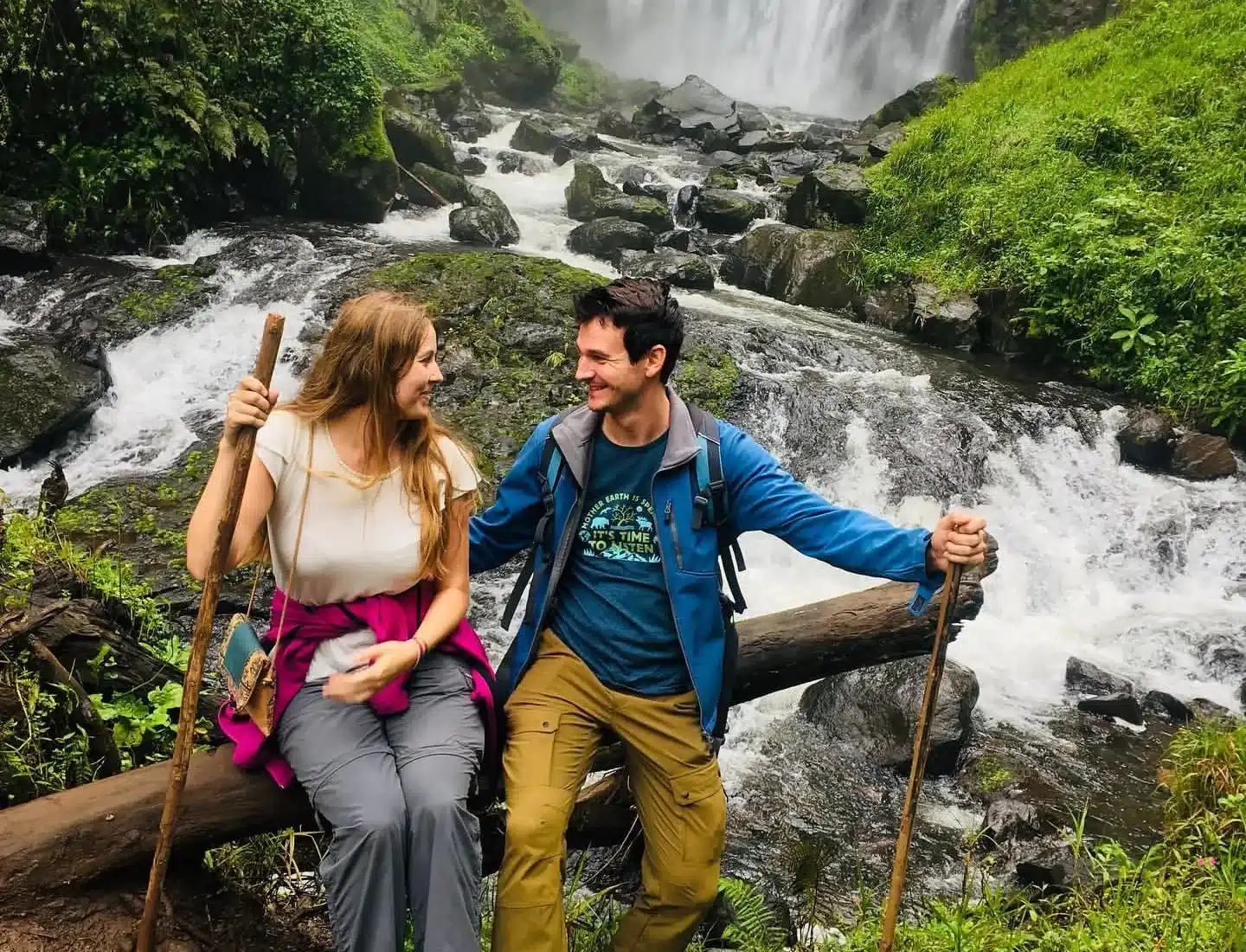

Tour Reviews
There are no reviews yet.
Leave a Review