Whether you’re exploring Materuni waterfalls from Arusha or the closer hub of Moshi, expect guided tour prices to range from $50 to $120 per person.
Tucked into the lush foothills of Mount Kilimanjaro, just 15 kilometers from Moshi, lies a hidden gem that combines cascading waterfalls with authentic Tanzanian coffee culture—and it won’t break the bank, with materuni waterfalls entrance fee typically included in most tour packages ranging from $60-$120 per person.
🌿 Materuni Waterfalls & Coffee Tour – From Moshi or Arusha
This day trip perfectly combines two of Tanzania’s most authentic experiences: a spectacular waterfall hike and an immersive coffee farm tour. Located approximately 40 minutes from both Moshi and Arusha, Materuni village offers visitors a rare glimpse into traditional Chagga culture while exploring pristine natural landscapes.
The experience typically includes round-trip transportation, a guided 45-minute hike through banana plantations, tropical forests, participation in a hands-on coffee ceremony where you’ll grind beans using traditional methods, and a locally-prepared lunch. What sets this tour apart is its authentic cultural immersion—you’re not just observing, but actively participating in centuries-old traditions. Most operators complete the full experience within 5-7 hours, making it ideal for travelers with limited time or those acclimating before a Kilimanjaro climb.
🌊 Materuni Waterfall Visit – Prices & Tours (2026)
Whether you’re exploring Materuni waterfalls from Arusha or the closer hub of Moshi, expect guided tour prices to range from $50 to $120 per person. According to Tripadvisor reviews, most operators bundle waterfall access with the coffee plantation experience, creating better value than visiting independently.
Price variations depend on group size and inclusions—smaller groups typically pay premium rates, while tours with 6+ travelers access economies of scale. Some packages incorporate hotel pickup from either departure city, lunch, and village entry fees, while budget options require self-arranged transport and separate fee payments at Materuni village.
💰 Individual Costs (Independent Visit)
Planning your own materuni waterfalls itinerary without a tour package requires budgeting for several separate expenses. Independent travelers typically spend $30-$50 per person total when arranging transport and entry directly.
The waterfall entrance fee costs approximately $10-$15 per person (paid at the village). If you hire a local guide from Materuni village—which is highly recommended for navigation and safety—expect $10-$20 for their services. Transportation from Moshi via dalla-dalla (public minibus) runs about $2-$3 each way, though the journey takes considerably longer and involves multiple transfers.
However, many visitors find that booking through organized operators offers better value. The convenience of coordinated logistics, reliable transport, and cultural insights from experienced guides often justifies the modest price difference—especially when combining multiple attractions like the nearby hot springs experience into a single-day adventure.
One practical consideration: independent visitors must arrange their own lunch and refreshments, adding $5-$10 to the budget, whereas most tour packages include meals and bottled water throughout the day.
🚌 Organized Tour Packages
Most visitors opt for a materuni waterfalls day trip bundled with the coffee farm experience. Tour operators typically include round-trip transport from Moshi or Arusha, park entrance fees, guide services, and lunch—making pricing straightforward. Half-day packages focusing solely on the waterfall and coffee roasting run $50–$75 per person, while full-day itineraries pairing the falls with Kikuletwa Hot Springs climb to $95–$120. Group size affects rates: private tours for two people average $30–$40 more per person than shared group departures with 4–8 participants. In practice, organized packages eliminate the complexity of coordinating separate transport, guides, and meal arrangements—particularly valuable for first-time Tanzania visitors navigating unfamiliar logistics around Moshi-area day trips.
📍 Logistics & Locations
Materuni waterfall sits approximately 15 kilometers northwest of Moshi town in the foothills of Mount Kilimanjaro. The village of Materuni lies at roughly 1,800 meters elevation, making the approach cooler than the plains below. Most tour operators arrange pickups from Moshi hotels between 8:00–9:00 AM, with the drive taking 45–60 minutes depending on road conditions.
From Arusha, the journey extends to approximately 90 minutes, covering about 80 kilometers. Travelers based in Arusha often combine this excursion with other regional highlights to maximize their itinerary. The final kilometer to the trailhead requires a 4WD vehicle during rainy seasons (March–May, November), as the dirt track becomes muddy and rutted.
The waterfall itself cascades nearly 80 meters into a plunge pool surrounded by dense vegetation. GPS coordinates (approximately 3.2833°S, 37.4167°E) help independent travelers navigate, though the route is straightforward once you reach Materuni village. One practical consideration: the return journey typically concludes by 3:00–4:00 PM, allowing visitors to combine this with evening activities in Moshi or Arusha rather than requiring a full-day commitment.
🏍️ Moshi: Materuni Waterfall & Coffee Plantation by Motorcycle
For adventurous travelers, some operators offer motorcycle tours to Materuni, trading the standard safari vehicle for two wheels. This option appeals particularly to solo travelers and those seeking a more intimate connection with the landscape. The ride through Kilimanjaro’s foothills provides unobstructed views of banana plantations, rural villages, and though weather conditions heavily influence feasibility—rain makes the steep dirt roads treacherous. Good Earth Tours notes that motorcycle packages typically bundle the waterfall hike with the coffee experience, making materuni waterfalls coffee tour tickets slightly more affordable than private vehicle tours. However, this option requires confidence navigating unpaved terrain and isn’t suitable during the March–May rainy season when mudslides occur. Most riders opt for experienced local guides who know the switchbacks and safe parking near the trailhead, which adds safari-style adventure to an otherwise straightforward day trip.
What to Expect:
Most Materuni tours include round-trip transportation from Moshi or Arusha, typically departing around 8:00 AM, and returning by mid-afternoon. Upon arrival at the village, you’ll meet a local guide who leads a 45-minute hike through banana and coffee plantations toward the waterfall. The trail involves some elevation gain and uneven terrain, so moderate fitness helps. At the falls, expect to spend 30-45 minutes enjoying the cascading water and natural pool before returning to the village. The coffee experience follows, where you’ll participate in traditional roasting, grinding, and brewing methods while singing and dancing with locals. Tour tickets generally cover transportation, guide fees, village entry, and the coffee demonstration—though lunch and personal purchases are often separate. Many visitors appreciate having local cultural experiences included in their package. The entire excursion runs approximately 6-7 hours door-to-door, making it perfect for travelers with limited time who still want an authentic taste of Tanzanian rural life.
🛺 Moshi: TukTuk (Bajaji) – Materuni Waterfalls, Coffee Tour & Lunch
For budget-conscious travelers seeking an authentic local experience, TukTuk (Bajaji) tours offer a vibrant alternative to standard vehicles. These three-wheeled motorized rickshaws provide open-air transportation through Moshi’s bustling streets, rural roads, and delivering cultural immersion alongside cost savings. Coffee tour tickets bundled with TukTuk transport typically start around $40–$55 per person, including
- waterfall access
- traditional lunch
- the full coffee-making demonstration.
However, the TukTuk trade-off involves comfort and time—expect a bumpier, slower journey compared to day hiking adventures in larger vehicles, particularly on Materuni’s unpaved roads during rainy season.
Includes:
Most waterfalls coffee tour tickets come as all-inclusive packages covering essential logistics and experiences. Standard inclusions typically feature round-trip transportation from your Moshi or Arusha accommodation, an English-speaking guide familiar with local trails, coffee traditions, and park entrance fees to Materuni village. The coffee experience itself is comprehensive: you’ll participate in hands-on coffee roasting, grinding using traditional methods, and brewing the final cup. Most operators also provide bottled water throughout the day, a local lunch—often featuring fresh Chagga cuisine with rice, vegetables, and seasonal fruits. Swimming at the waterfall base is encouraged, making towels and swimwear essential personal items not typically provided.
🍽️ Moshi: Materuni Waterfall, Coffee Plantation & Hot Lunch
For travelers prioritizing authentic local cuisine alongside nature, packages including a traditional hot lunch transform the experience from sightseeing into cultural immersion. These comprehensive tours typically feature freshly prepared Chagga dishes—pilau rice, grilled chicken or beef, seasonal vegetables, and banana stew—served at local homesteads near the plantation. The culinary component adds 1-2 hours to standard itineraries, with meals timed after the waterfall hike and coffee roasting demonstration. A common pattern shows visitors enjoying lunch under banana leaf shelters while overlooking Mount Kilimanjaro’s slopes, creating a relaxed midday break before returning to Moshi. Materuni waterfalls coffee tour reviews consistently highlight this meal as a memorable highlight, with guests appreciating the home-cooked quality and generous portions.
What typically happens: lunch service becomes an informal Q&A session where hosts discuss Chagga food traditions, ingredient sourcing, and daily village life. This unstructured interaction often provides deeper cultural insight than the structured tour components, making the hot lunch addition valuable beyond simple sustenance.
🚐 Arusha / Moshi: Waterfall, Coffee & Banana Wine Experience
This package adds a distinctive cultural twist: traditional banana wine tasting. Beyond standard coffee roasting demonstrations, participants sample mbege—a locally fermented beverage integral to Chagga celebrations. Tour reviews frequently highlight this as the most memorable cultural element, offering insight into brewing techniques passed through generations. The tasting occurs after waterfall hiking, providing a refreshing conclusion to physical activity while deepening understanding of regional traditions beyond coffee cultivation alone.
🌊 Arusha: Materuni Waterfalls, Coffee Plantation & Hot Lunch
Departures from Arusha extend the journey but deliver identical cultural immersion with traditional meals included. Coffee tour reviews consistently praise the authentic lunch experience, where Chagga families prepare local dishes using ingredients grown on-site. The additional travel time creates anticipation that heightens the waterfall’s dramatic reveal upon arrival.
♨️ Arusha: Materuni Waterfalls + Optional Kikuletwa Hot Springs
This extended package bundles two geological marvels into one adventure. After exploring Materuni’s cascades and coffee culture, travelers continue to Kikuletwa Hot Springs—crystal-clear thermal pools surrounded by desert-like scrubland. Waterfalls coffee tour reviews consistently praise this combination for balancing cultural education with relaxation, though the full-day itinerary demands stamina. The hot springs themselves feature rope swings, shallow wading areas ideal for families, and while the longer drive (approximately 90 minutes from Materuni) adds travel time. For those seeking a comprehensive day trip beyond waterfalls alone, this option delivers contrasting landscapes—lush highlands versus arid plains—within a single excursion.
🌟 Tour Highlights
This experience blends natural spectacle with cultural authenticity across four distinct elements. The 80-meter Materuni Waterfall creates a misty microclimate where swimmers brave 18°C (64°F) waters beneath thundering cascades. A common pattern is for visitors to spend 30-40 minutes at the waterfall before transitioning to the coffee plantation.
The traditional coffee-making ceremony operates as working theater—guests participate in roasting, grinding, and brewing using methods preserved for generations. What typically happens is local Chagga guides demonstrate each step while explaining agricultural techniques specific to Kilimanjaro’s volcanic slopes. The Materuni Waterfalls coffee tour price includes this hands-on workshop plus tasting sessions that conclude with fresh-brewed cups.
Guided nature walks through banana and coffee plantations reveal the region’s biodiversity while providing Kilimanjaro summit views on clear mornings. However, weather conditions between March-May can obscure visibility. The authentic hot lunch component features locally-sourced ingredients prepared using traditional recipes, offering genuine culinary immersion beyond standard tourist fare. This combination—geological wonder, agricultural heritage, active participation, and authentic cuisine—creates layered value that justifies the moderate investment.
📍 Itinerary Overview (Moshi Option Example)
Morning pickup from your Moshi accommodation begins between 7:30–8:00 AM, allowing you to reach Materuni village by 9:00 AM after a scenic 45-minute drive through coffee plantations and banana groves. Zara Tanzania Adventures structures the first half around the 40-minute guided hike to the waterfall, where you’ll arrive mid-morning for optimal lighting conditions—perfect for photography as sunlight filters through the canyon mist.
The coffee demonstration runs from 11:00 AM to 12:30 PM, timed to follow the physical exertion of the waterfall trek. You’ll participate in hands-on roasting, grinding with traditional stones, and tasting freshly brewed coffee alongside a local lunch of pilau or ugali prepared by village hosts. By 1:00 PM, groups typically begin the return journey to Moshi, arriving back by 2:00–2:30 PM—leaving your afternoon free for rest before evening activities or early dinners. This half-day format ensures you’re not rushed yet keeps the experience compact enough to pair with other Moshi-area excursions on consecutive days.
🥾 What to Bring
Proper footwear makes the difference between enjoying the 45-minute hike and struggling on muddy trails—waterproof hiking boots with ankle support are essential for the steep, often-slippery paths leading to the waterfall. Pack a complete swimwear set including a towel, dry change of clothes, and as most visitors wade into the plunge pool despite the bracing 18°C (64°F) water temperature. Your daypack should include sun protection essentials: SPF 30+ sunscreen, a wide-brimmed hat, and sunglasses for the exposed coffee plantation sections. Bring at least 1.5 liters of water per person, though local guides typically provide bottled water during the tour. A waterproof phone case protects electronics from the waterfall’s heavy spray, while insect repellent with DEET guards against midges near the village. Cash in Tanzanian shillings (5,000–10,000 TZS) covers optional tips for guides and purchases from village artisans—credit cards aren’t accepted in Materuni. A lightweight rain jacket proves invaluable year-round, as afternoon showers occur even during dry months at this elevation.
⚠️ Important Information
The trail becomes genuinely challenging during rainy season (March–May and November)—hikers often encounter slippery rocks, muddy inclines, and swollen stream crossings that can turn the 45-minute descent into a 90-minute ordeal. Tour operators typically continue operating unless conditions become unsafe, but expect significantly more difficult terrain during wet months.
Photography restrictions apply at the coffee demonstration areas—some villages request you ask permission before photographing local residents during the roasting process, respecting cultural sensitivities around their daily work. Swimming beneath the waterfall is permitted but can be uncomfortably cold year-round, with water temperatures hovering around 15°C (59°F) even during warmer months.
Moderate fitness levels are genuinely necessary—the return climb involves 300+ vertical meters of elevation gain on uneven terrain, which proves challenging for visitors unaccustomed to altitude or steep gradients. However, guides accommodate slower paces and include rest stops, making the experience accessible to most travelers who can walk continuously for 30 minutes.
💬 What Travelers Say
Visitors consistently highlight the authentic cultural immersion as the standout element—reviews on Tripadvisor frequently mention the genuine warmth of Chagga hosts and the hands-on coffee preparation experience. The waterfall itself earns praise for its dramatic 80-meter cascade and refreshing swimming pool, though some travelers note the hike’s difficulty catches them by surprise. A common pattern is travelers wishing they’d allocated more time—many recommend budgeting 5-6 hours instead of the minimum 4 hours to truly savor both experiences without rushing. Understanding what to expect helps you decide whether advance booking makes sense for your schedule.
🎟️ Booking Information
Most operators offer online reservation systems with flexible payment options—Zara Tanzania Adventures and similar providers accept credit cards, PayPal, or bank transfers, with deposits typically required to secure your spot. However, cancellation policies vary significantly: some tours allow free cancellations up to 24 hours before departure, while others require 72-hour notice or impose non-refundable booking fees for last-minute changes.
🌄 Why Choose Materuni?
Materuni offers accessibility without sacrificing authenticity—unlike more commercialized destinations, this Chagga village maintains its cultural integrity while welcoming travelers. The combination of natural beauty and hands-on coffee experiences creates what Wanderlog describes as “an immersive journey into Tanzanian highland culture.” With your morning pick-up approaching, you’re choosing an experience that balances adventure with meaningful cultural exchange.
8:30 AM – 9:00 AM: Pick-Up from Moshi Hotel
Your guide arrives promptly at your Moshi accommodation in a comfortable 4×4 vehicle equipped for the 45-minute journey to Materuni village. Most operators provide hotel pick-up as standard—tours departing from Arusha typically start earlier to accommodate the additional travel time. Confirm your exact pick-up location when booking to ensure seamless coordination.
9:00 AM – 10:30 AM: Guided Hike to Materuni Waterfall
The 45-minute ascent begins at the village trailhead, where your Chagga guide leads you through terraced coffee and banana plantations that climb steadily toward the forest canopy. The trail gains approximately 280 meters in elevation over 3 kilometers—manageable for most fitness levels, though the tropical humidity makes frequent water breaks essential.
Your guide identifies medicinal plants along the route—wild ginger used for digestive ailments, aloe for burns, and mvule tree bark traditionally brewed for malaria treatment. These botanical explanations transform what could be a simple hike into a practical ethnobotany lesson, revealing how Chagga communities have sustained themselves for generations.
The forest gradient shifts dramatically as you ascend. Open farmland gives way to dense montane vegetation, where colobus monkeys occasionally swing through the canopy and turacos flash crimson wing feathers. The temperature drops noticeably in the shaded sections, creating microclimates that support unique moss species and ferns found nowhere else in Tanzania.
Trail conditions vary seasonally—rain transforms sections into slippery clay, making proper footwear non-negotiable. However, these wetter periods also maximize the waterfall’s flow rate, creating the thunderous cascade that makes this 80-meter drop Tanzania’s most photographed waterfall outside the national parks.
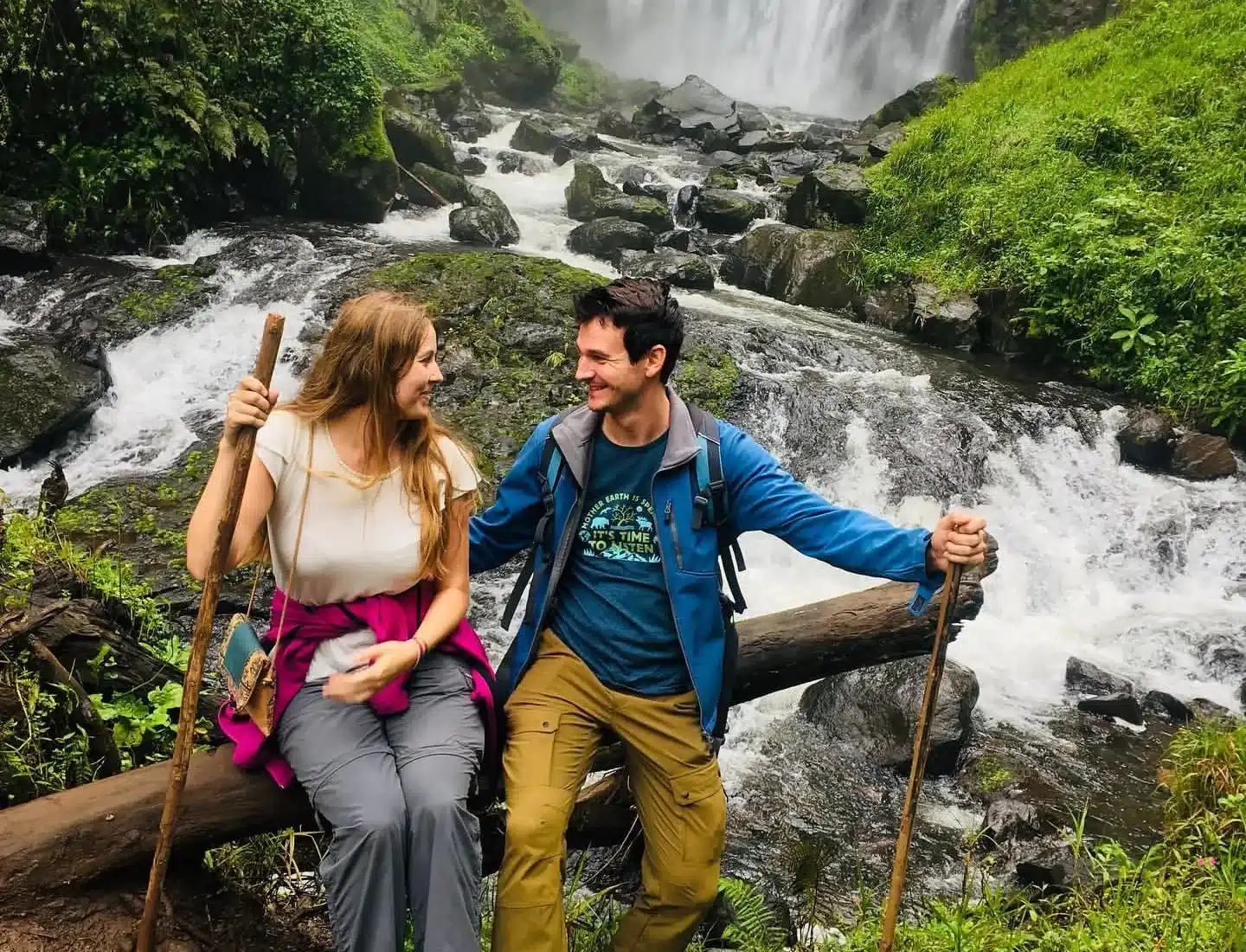
The final approach reveals Materuni Falls plunging into a turquoise pool surrounded by amphitheater rock faces, the mist cooling hikers who’ve just completed the climb.
10:30 AM – 11:30 AM: Relaxation & Swim at the Falls
After descending to the pool area, most visitors spend the next hour unwinding at the waterfall’s base, where the 90-meter cascade creates a natural amphitheater ideal for swimming and photography. The plunge pool maintains a consistent depth of 2–3 meters, with cooler temperatures than expected—typically around 18–20°C (64–68°F)—due to the constant influx of mountain runoff.
Swimming is optional but highly recommended for those comfortable with cool water and rocky pool bottoms. Bring reef shoes or water sandals, as the underwater terrain includes smooth stones and occasional submerged roots. The current near the waterfall itself can be strong, so guides typically designate safer swimming zones along the pool’s periphery.
This hour also serves as the tour’s primary photography window. The midday light creates rainbow effects in the waterfall’s mist, particularly between 11:00 AM and noon when sun angles are optimal. Many guides assist with wide-angle shots that capture both the falls and surrounding forest canopy. However, the constant spray means waterproof phone cases or camera protection is essential—electronics have been damaged at this site when proper precautions weren’t taken.
11:30 AM – 12:30 PM: Return Hike to Materuni Village
The descent back to the village typically takes 30–40 minutes, following the same winding trail through coffee and banana groves but at a more leisurely pace. Most hikers find the return journey less strenuous, allowing time to observe agricultural details you might have missed on the upward climb—irrigation channels carved through volcanic rock, traditional beehives suspended from tree branches, and children tending to family plots.
Your guide often uses this segment to answer questions about Chagga culture and point out medicinal plants growing wild along the path. The midday sun filters through banana leaves, creating dappled shade that keeps temperatures comfortable despite the tropical altitude. By noon, you’ll arrive back at the village center, where the coffee tour awaits.
12:30 PM – 1:30 PM: Traditional Chagga Lunch
Following the morning hike, most tours include a traditional Chagga lunch served at a local family’s home or designated village gathering space. The meal typically features pilau rice, stewed beans, fried plantains, seasonal vegetables grown in nearby terraces, and offering authentic flavors distinct from hotel buffet experiences. Portions are generous, reflecting the region’s communal dining customs where sharing platters encourages conversation among visitors and hosts. The setting provides direct engagement with Chagga hospitality, as families often explain ingredient sources, and preparation methods passed through generations. Many meals incorporate makande—a corn and bean stew—alongside freshly picked mtori, a green banana soup considered ceremonial in Chagga culture. One practical observation: lunch timing allows sufficient rest before the afternoon coffee demonstration, preventing fatigue that sometimes affects engagement during hands-on activities later in the itinerary.
1:30 PM – 2:45 PM: Coffee Tour Experience
This 75-minute segment transforms visitors into active participants in the traditional Chagga coffee-making process, moving from bean to cup using centuries-old methods. Unlike passive factory tours, the Materuni experience involves hands-on roasting, grinding, and brewing—often accompanied by rhythmic Chagga songs that coordinate the group’s grinding motions. Families demonstrate each step, from selecting ripe arabica cherries to the final brewing in clay pots over open flames. The experience typically concludes with fresh coffee sampling while guides explain how altitude and volcanic soil create the region’s distinctive flavor profile, setting the stage for deeper cultural conversations that follow.
2:45 PM – 3:30 PM: Coffee Tasting & Cultural Chat
The culmination of the coffee-making process arrives as visitors gather in the shade to taste the freshly brewed coffee they helped create. This 45-minute session combines sensory appreciation with cultural exchange, as Chagga hosts share stories about village life, traditional customs, and the evolving challenges facing coffee-farming communities in the Kilimanjaro region.
The coffee itself tastes distinctly different from commercial varieties—earthier, richer, and unmistakably fresh. Without modern roasting equipment or standardized brewing methods, each batch carries unique flavor notes influenced by roasting duration, grinding consistency, and water temperature. Hosts often serve the coffee alongside traditional snacks like roasted plantains or cassava chips, creating an informal atmosphere that encourages questions, and conversation. This informal dialogue typically reveals practical realities that standard tour narratives omit: how climate variability affects harvest yields, why younger generations increasingly pursue education over farming, and how cooperatives attempt to secure fairer prices for smallholder farmers. Visitors gain context that transforms coffee from a commodity into a product intimately tied to specific families, landscapes, and economic pressures.
As the tasting winds down, hosts frequently invite visitors to purchase packaged coffee directly from village cooperatives—a transaction that supports local income while providing genuine souvenirs. The relaxed pacing of this segment creates natural closure before the return journey to Moshi begins.
3:30 PM – 4:30 PM: Drive Back to Moshi
The return journey offers a comfortable cooldown as participants settle into their vehicles with fresh coffee samples and cultural memories intact. The hour-long descent retraces the route through Materuni village, providing a final glimpse of mountain vistas and rural homesteads before rejoining the main road to Moshi.
Tour Reviews
Guest feedback consistently highlights the tour’s authentic cultural immersion and personable guides. On Tripadvisor, visitors frequently praise the intimate village atmosphere and hands-on coffee-making process. A common pattern is travelers rating the coffee plantation experience as the unexpected highlight—exceeding their initial expectations focused solely on the waterfall. Sharing your experience helps future travelers understand what makes this tour special beyond standard itinerary descriptions.
Leave a Review
Sharing your experience helps future travelers make informed decisions while supporting the local guides and operators who made your day memorable. Most tour platforms including Tripadvisor encourage detailed feedback covering guide knowledge, cultural authenticity, and overall value. Your honest review—whether highlighting the challenging hike, the warmth of village hospitality, or areas for improvement—creates a valuable resource for the growing community of travelers seeking authentic cultural experiences beyond Tanzania’s safari circuit.
You May Also Like
Travelers seeking complementary experiences often pair the Materuni tour with other northern Tanzania adventures. The Kikuletwa Hot Springs day trip offers a relaxing counterpoint with crystal-clear thermal pools perfect for swimming after your waterfall hike. Cultural enthusiasts frequently extend their itinerary to include Maasai village visits or day trips to Lake Manyara. For those planning to climb Kilimanjaro, the Materuni tour serves as an ideal acclimatization activity, introducing you to the mountain’s foothills while building stamina for the ascent ahead.
What is the best time of year to visit the Materuni Waterfalls?
The waterfalls flow year-round, though the dry season from June through October offers the most comfortable hiking conditions. During these months, trails remain firm and well-defined, making the descent and ascent significantly easier for visitors of varying fitness levels.
However, the wet season (March through May) presents a compelling alternative for those seeking dramatic scenery. The waterfall reaches its most powerful flow during these months, creating spectacular photo opportunities despite muddier trail conditions. A practical approach is to visit shortly after the rains taper off in early June, when you’ll experience robust water volume combined with improving trail conditions—a balance appreciated by many travelers.
Temperature remains relatively consistent throughout the year at this altitude, though mornings can be noticeably cooler during July and August. The agricultural calendar also influences the experience: coffee harvesting typically occurs from June through December, offering the most authentic demonstration of the complete bean-to-cup process during tours.
Are there any local food options available during the Materuni Coffee Tour?
Most Materuni coffee tours include a traditional Chagga lunch prepared by village families as part of the cultural experience. The meal typically features pilau (spiced rice), ndizi na nyama (plantains with meat), and fresh seasonal vegetables grown in the surrounding highland farms. However, visitors should confirm meal inclusions when booking, as some tour operators provide lunch while others only offer light refreshments during the coffee-tasting portion. Those with dietary restrictions should communicate preferences in advance, though vegetarian options are generally available given the region’s agricultural abundance.
Materuni waterfalls entrance fee
The village entry fee for Materuni Waterfalls is typically $20 USD per person, payable in cash upon arrival at the village. This community-managed fee supports local infrastructure and conservation efforts while granting access to both the waterfall trail and surrounding areas. Most organized tours from Moshi include this entrance charge in their total price, eliminating the need for separate payment at the gate. However, visitors should confirm with their tour operator whether fees are bundled or paid separately. What sets this fee apart from typical park entrance costs is its direct benefit to the Materuni community—funding schools, maintaining footpaths, and preserving the pristine natural environment. Carrying extra cash in small denominations helps facilitate smooth payment, as change may not always be readily available at the village collection point. With the entrance fee covered, you’re ready to focus on the practical aspects of preparing for your hike.
What should I wear for the Materuni Waterfalls Coffee Tour?
Wear comfortable hiking clothes with sturdy, closed-toe shoes that have good traction, as the trail to the waterfall includes uneven terrain, can be slippery, and especially after rain. Light, moisture-wicking fabrics work best in the tropical climate, and layering options are recommended since mornings start cool but warm up significantly. Bring a lightweight rain jacket or waterproof layer regardless of season—the waterfall area creates natural mist, and afternoon showers are common in this mountain region. A sun hat and sunglasses protect against strong equatorial sun during exposed sections of the walk. Consider packing a swimsuit if you plan to swim at the waterfall base, as the refreshing pool is a popular spot after the hike down.
Leave valuables and unnecessary items at your accommodation. A small daypack works perfectly for carrying water, snacks, sunscreen, and insect repellent. Avoid sandals or flip-flops entirely—the 45-minute descent to the waterfall requires ankle support and reliable grip on potentially wet rocks and roots.
With your clothing sorted, understanding the time commitment helps you plan the rest of your day around this rewarding cultural and natural experience.
How long does the Materuni Waterfalls Coffee Tour typically take?
The complete Materuni Waterfalls Coffee Tour takes approximately 5-6 hours from start to finish, including transportation time from Moshi or Arusha. The experience breaks down into several segments: about 45-60 minutes for the waterfall hike (round trip), 1-2 hours for the coffee plantation tour and tasting session, and 1.5-2 hours of total driving time depending on your starting location.
In practice, many operators offer flexible timing to accommodate different schedules and fitness levels. The waterfall portion moves at a leisurely pace, allowing time for photos and wildlife spotting along the trail. The coffee experience includes hands-on participation in roasting, brewing, and which naturally extends the visit but makes it more memorable. Most tours depart between 8:00-9:00 AM and return by early afternoon, leaving the rest of your day free for other activities or relaxation.
Can I book a private Materuni Waterfalls Coffee Tour for a group?
Yes, private group tours are widely available and often recommended for a more personalized experience. Most tour operators offer dedicated private tours that allow you to set your own pace and enjoy undivided attention from your guide throughout the coffee-making process and waterfall hike.
Private bookings typically accommodate groups ranging from two to fifteen people, with flexible departure times to suit your schedule. Many operators provide group discounts for parties of six or more, making it cost-effective for families or friend groups traveling together. The intimate setting allows for deeper cultural engagement during the coffee ceremony and more opportunities to ask questions about Chagga traditions.
Booking in advance is essential, particularly during peak season (June through October), as private guides and vehicles have limited availability. When reserving, specify your group size, any mobility concerns, and whether you want to combine the tour with additional activities—customization options are typically more flexible with private bookings than shared tours. Contact your chosen operator directly to discuss group rates and tailored itineraries that match your interests and fitness levels.
What is the best time of year to visit the Materuni Waterfalls?
The optimal time to visit Materuni Waterfalls is during Tanzania’s dry seasons: June through October and December through February. During these months, the hiking trails are more accessible and less muddy, making the 45-minute trek to the waterfall considerably safer and more enjoyable. However, the waterfalls remain impressive year-round, with the wet seasons (March-May and November) actually producing the most dramatic water flow.
The long dry season (June-October) offers the most reliable weather conditions, with clear skies, and minimal rainfall. This period coincides with peak tourist season in Tanzania, which means tours run frequently and transportation options are abundant. Conversely, visiting during the short dry season (December-February) provides pleasant weather with fewer crowds and potentially better rates. One practical consideration is that coffee harvest season typically runs from May through September, allowing visitors to witness the full coffee production process from cherry picking to roasting. While the coffee tour operates year-round using stored beans when necessary, experiencing the actual harvest adds authenticity to the cultural component of the tour. The rainy seasons can make trails slippery and challenging, particularly the steep descent back from the falls, though the lush green landscape and thundering waterfall create a spectacular backdrop for those willing to navigate the conditions.
Is transportation provided from Moshi to the Materuni Waterfalls Coffee Tour?
Yes, virtually all Materuni Waterfalls Coffee Tour packages include round-trip transportation from Moshi—and often from Arusha as well. Most operators provide hotel or accommodation pickup, eliminating the need for travelers to arrange separate transport to this remote village location approximately 15 kilometers from Moshi town.
Transportation is typically provided in comfortable safari vehicles or minivans suited for the terrain between Moshi and Materuni village. Zara Tanzania Adventures and similar operators confirm pickup from centrally located hotels, making the experience genuinely hassle-free for visitors.
The drive from Moshi takes approximately 45 minutes to one hour, depending on road conditions and your accommodation’s specific location. From Arusha, expect approximately 90 minutes to two hours of travel time. The scenic route offers glimpses of Mount Kilimanjaro’s slopes and the surrounding Chagga homeland countryside.
Transportation is usually included in the tour price rather than being an additional fee, though confirming this detail when booking is prudent. Private tours generally offer more flexible pickup times, locations compared to group tours, and which may have designated meeting points. When booking your Materuni Waterfalls Coffee Tour, the combination of included transportation, guided coffee experience, and waterfall visit creates a seamless day trip—allowing you to focus on Tanzania’s natural beauty and cultural richness without logistical concerns.
📞 Call/WhatsApp: +255 784 411 852
🔗 Visit Us: East Africa Travel Company
| Destination | |
| Arrival | |
| Departure Time | |
| Included | Lunch, Professional Guides, Entry Fees, VAT, Materuni Waterfall, Coffee Tour, Visa – MasterCard 3.5%, Money Transfer |
| Excluded | Tips/Gratuities, Personal Expenses, Travel Insurance, International Flights, Accommodation, Items Not Mentioned in Itinerary, Extra Drinks |
| Mount Kilimanjaro day hike | |
8:30 AM – 9:00 AM: Pick-Up from Moshi Hotel
Your adventure begins with a scenic drive from your hotel in Moshi to Materuni Village, located on the lush slopes of Mount Kilimanjaro. Along the way, enjoy views of banana plantations and rural Tanzanian life.
Altitude: 890m
Distance: ~15 km
9:00 AM – 10:30 AM: Guided Hike to Materuni Waterfall
Start your hike through forested trails and local farmlands with a professional guide from the Chagga community. The 2.5 km trail offers lush vegetation, wildflowers, and birds en route to the majestic 90-meter waterfall.
Altitude: 1,500m
Distance: 2.5 km
Hiking Time: ~1 hour
Habitat: Rainforest & Cultivated Farmlands
10:30 AM – 11:30 AM: Relaxation & Swim at the Falls
Take time to unwind at the base of **Materuni Waterfalls**, considered one of the tallest and most picturesque **waterfalls in Tanzania**. Brave the icy waters for a refreshing swim beneath the spray.
11:30 AM – 12:30 PM: Return Hike to Materuni Village
After enjoying the waterfall, hike back to the village via the same scenic path. Your guide will share stories of the local environment and traditions of the **Materuni village** people.
Distance: 2.5 km
Hiking Time: ~1 hour
12:30 PM – 1:30 PM: Traditional Chagga Lunch
Arrive back in the village to a warm welcome and a home-cooked Chagga-style lunch. Meals typically include banana stew, rice, seasonal vegetables, and tropical fruits.
1:30 PM – 2:45 PM: Coffee Tour Experience
Dive into the full **Materuni Waterfall and coffee tour** experience. Learn the ancient Chagga method of processing Arabica coffee—pick, roast, grind, and brew your own cup while singing traditional songs with your hosts.
Altitude: 1,300m
Habitat: Coffee Plantations
2:45 PM – 3:30 PM: Coffee Tasting & Cultural Chat
Enjoy the freshest coffee you’ll ever taste, brewed with mountain water and roasted by your own hands. Sit with your hosts, ask questions, and enjoy a relaxed moment of cultural exchange.
3:30 PM – 4:30 PM: Drive Back to Moshi
Say farewell to your guides and the welcoming community of Materuni. Relax on the return drive to Moshi, reflecting on a rich day of nature, culture, and flavor.
You May Also Like


Tour Reviews
There are no reviews yet.
Leave a Review