Safari A Africa tours to Tarangire National Park, Manyara National Park, and Maasai Boma offer unforgettable wildlife and cultural adventures.
Picture this: a massive bull elephant emerges from golden grass, his tusks nearly touching the ground as he ambles toward a waterhole. Wildebeest thunder across endless plains while lions lounge in acacia shade. This isn’t just vacation—it’s the African safari adventure that transforms how you see the world, and East Africa delivers experiences unlike anywhere else on the continent.
🦁 Ready for the Wildest Safari A Africa Journey? Let’s Go!
The best African safari experiences share one trait: they transform you. Standing before a UNESCO World Heritage crater or watching elephant families navigate ancient migration routes shifts something fundamental inside you. Tanzania’s Northern Circuit delivers these moments with remarkable consistency—over 350,000 visitors annually discover why this region sets the benchmark for authentic wildlife encounters.
What makes East Africa’s parks particularly compelling? The diversity. Within a three-hour drive, you’ll transition from baobab-studded grasslands to volcanic calderas teeming with predators. The ecosystem doesn’t just survive here—it thrives with an intensity that’s increasingly rare across the continent. This concentration of wildlife in accessible, well-managed reserves means your odds of witnessing dramatic predator-prey interactions or massive migratory movements spike dramatically compared to other safari destinations.
🌳 Tarangire National Park: Elephant Paradise with Baobab Drama
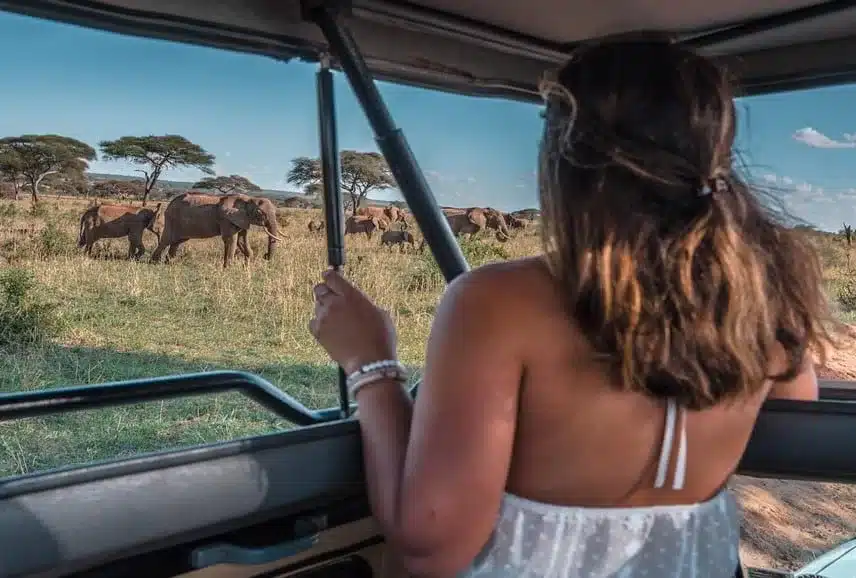
Tarangire serves up one of the best African safari experiences you’ve never heard of. Located just two hours from Arusha, this 1,100-square-mile sanctuary hosts Africa’s highest concentration of elephants—some herds numbering 300 individuals during peak dry season (June through October). Ancient baobabs tower like sentinels across golden grasslands, creating surreal backdrops that photographers dream about.
The Tarangire River becomes the park’s lifeline during drought months, drawing wildlife in spectacular numbers. You’ll watch elephant families coordinate river crossings while zebras nervously approach the water’s edge, scanning for crocs. Tree-climbing lions lounge in acacia branches—a behavior typically associated with Lake Manyara but increasingly common here. Bird enthusiasts can tick off 550 species, including massive flocks of yellow-collared lovebirds and the striking Kori bustard, Africa’s heaviest flying bird.
What sets Tarangire apart: Unlike the more famous Serengeti, you’ll often have entire game-viewing areas to yourself. The park receives roughly 40% fewer visitors than neighboring reserves, yet wildlife densities rival anywhere on the continent. Walking safaris and night drives—prohibited in many Tanzanian parks—add thrilling dimensions to traditional game drives, revealing nocturnal hunters and rare species like aardvarks and porcupines.
🐘 Why You’ll Love It
Tarangire delivers something rare among safaris in Tanzania: intimacy without crowds. While Serengeti draws the masses, this park sees roughly 60% fewer visitors, meaning you’ll often have elephant sightings to yourself. The contrast is striking—ancient baobabs frame wildlife encounters that feel genuinely wild, not staged for tour groups.
🏞️ What You’ll See
Elephant herds like nowhere else—Tarangire hosts up to 3,000 elephants during dry season, creating scenes where families stretch across plains beneath ancient baobabs. You’ll watch matriarchs lead calves to water, bulls sparring playfully, and dusty processions that vanish into sunset.
Big cat drama unfolds daily. Tree-climbing lions lounge in acacia branches (a behavior rare outside Tanzania), while leopards patrol rocky outcrops. Cheetahs hunt across open grasslands where visibility makes kills spectacular to witness.
The birdlife hits 550+ species—more diversity than most africa tours manage across multiple parks. Yellow-collared lovebirds swarm baobab hollows, kori bustards strut through grass, and migrant raptors arrive by the thousands from November to April. Even non-birders get hooked.
🔥 Pro Tip
Book June-October for Tarangire’s peak elephant season—this window delivers the dramatic congregations that make photographers weep. Most safari tours miss the optimal timing by arriving too early (March-May rains scatter herds) or too late (November dispersal begins). The Tarangire River corridor becomes Africa’s elephant highway when dry-season pressure intensifies, with families traveling predictable routes between water sources and feeding grounds. Pair Tarangire with Ngorongoro Crater for a 5-7 day circuit that maximizes wildlife density while avoiding Serengeti’s peak-season crowds—you’ll experience Tanzania’s two most distinct ecosystems without the tour bus traffic.
🤓 Fun Fact
Tarangire’s baobabs can live over 3,000 years—making them older than the pyramids and among Africa’s most enduring natural monuments. These “upside-down trees” store up to 32,000 gallons of water in their massive trunks, creating natural oases that sustain elephant encounters during brutal dry seasons. Many African safari tours miss this biological marvel entirely, focusing solely on animal counts rather than the ecological engineering that makes Tarangire’s wildlife concentrations possible in the first place.
🌺 Lake Manyara National Park: Flamingos, Forests & Tree Lions
Lake Manyara National Park transforms 330 square kilometers into East Africa’s most ecologically diverse microcosm—from groundwater forests to acacia woodlands to soda lakes that fluctuate with seasonal flamingo populations. The park’s distinctive habitats support over 400 bird species and legendary tree-climbing lions that drape themselves across mahogany branches to escape tsetse flies.
What makes Manyara exceptional is its vertical zonation: dense forests near the entrance give way to acacia-dotted floodplains before reaching the alkaline lake that covers two-thirds of the park during wet season. This compressed ecosystem delivers wildlife encounters at every elevation, creating photography opportunities that justify its inclusion in most northern circuit itineraries despite representing just a fraction of Tarangire’s footprint.
The tree-climbing lion behavior—once debated by researchers—occurs reliably here due to specific environmental pressures. Buffalo herds numbering 300+ animals migrate through these woodlands, while elephant populations concentrate near permanent springs. These specialized wildlife patterns attract photographers willing to pay premium safari tour africa price positioning for the unique feline behavior that distinguishes Manyara from larger parks.
🦩 Why It’s So Unique
Lake Manyara defies conventional safari expectations by packing five distinct ecosystems into a space smaller than most airports—from alkaline lake shallows where flamingos congregate to dense groundwater forests where elephants browse beneath towering figs. This ecological compression creates wildlife encounters impossible to replicate elsewhere in Tanzania’s northern circuit.
The park’s signature attraction remains its tree-climbing lions—a behavior documented in only two African populations. These lions lounge in acacia branches 15-20 feet above ground, evading tsetse flies and surveying prey from elevated vantage points. While sightings aren’t guaranteed, Manyara holds a 40% success rate versus 5-10% elsewhere, making it the continent’s most reliable destination for this phenomenon.
Beyond the feline spectacle, safari packages here showcase biodiversity density unmatched in East Africa: 380 bird species thrive in 330 square kilometers, while primate troops share forest canopies with Cape cloche and giant forest hogs. The Great Rift Valley escarpment creates a stunning backdrop where acacia woodlands transition abruptly into soda lake flats—a geological drama that sets Lake Manyara apart from Tanzania’s sprawling savannah parks. What typically requires crossing multiple reserves unfolds here within a single, compact game drive.
🐒 What You’ll Experience
Lake Manyara delivers an experiential trinity that most African safari packages separate across multiple parks—wildlife density, birdlife spectacle, and landscape diversity all compressed into a single day’s exploration. The morning typically begins with flamingo clouds painting the alkaline shallows pink, followed by midday encounters with elephant herds in the groundwater forest’s cathedral-like canopy, and culminates with late-afternoon game drives where tree-climbing lions lounge improbably in acacia branches. One practical approach is allocating 4-6 hours for a comprehensive park circuit, allowing time for the spectacular escarpment viewpoints that frame the entire ecosystem in a single panoramic sweep—a perspective that reveals why ecologists consider this 330-square-kilometer park an unmatched study in habitat compression.
🌟 Pro Tip
Visit Lake Manyara during shoulder season (April-May or November) when African safaris cost 30-40% less yet wildlife viewing remains exceptional—the wet-season flamingo spectacle peaks while crowds vanish completely.
🤯 Fun Fact
Lake Manyara’s tree-climbing lions exist in only two locations worldwide—here and Uganda’s Queen Elizabeth National Park. According to Africa’s Top 50 parks review data, these behavioral adaptations emerged from necessity: escaping biting insects, seeking shade during intense heat, and gaining elevated hunting vantage points. The phenomenon turns every safari tour into a treasure hunt, as spotting these arboreal cats perched 20 feet up in acacia branches defies everything you’ve learned about lion behavior.
🎉 Maasai Boma: The Beating Heart of Culture in Africa Safari
Cultural immersion transforms best African safari packages from wildlife viewing into life-changing journeys. Visiting a traditional Maasai boma near Lake Manyara creates connections that endure long after you’ve returned home—warriors demonstrate centuries-old jumping dances, women share beadwork techniques passed through generations, and elders explain their intricate relationship with the land.
What typically happens is travelers spend 2-3 hours in these living villages, where nothing feels staged. Children laugh as they teach you basic Swahili greetings. Warriors explain how their red shukas protect against thorns and sun while demonstrating fire-starting techniques using sticks and dried grass. However, the most profound moments often occur during quieter interactions—an elder describing seasonal cattle migrations or a mother explaining how every bead color in her jewelry carries specific meaning.
These visits directly support community welfare, with entrance fees funding schools, water projects, and healthcare initiatives. The Maasai have lived alongside wildlife for millennia, making them invaluable conservation partners who understand animal behavior patterns that modern science is only beginning to document.
🛖 A Real Connection
Beyond wildlife viewing, authentic cultural encounters define exceptional safaris in Africa, transforming spectators into participants. When you share stories beside a fire with Maasai warriors, or watch elders demonstrate traditional beadwork techniques passed through generations, you’re not simply observing—you’re building bridges across vastly different worlds.
These moments resonate because they’re reciprocal. According to Go2Africa’s 2023 safari travel report, travelers increasingly seek experiences where local communities benefit directly from tourism. When you purchase handcrafted jewelry from Maasai women or learn about medicinal plants from village healers, your visit creates economic opportunities that support education and healthcare initiatives.
The most powerful connections happen through shared humanity—laughing at the universal comedy of children’s games, marveling at the complexity of traditional architecture, or discovering surprising common ground in songs and stories. These authentic interactions transform how you see both the continent and yourself.
🌍 What You’ll Gain
Visiting these three parks transforms travel into profound personal growth. Beyond stunning photography opportunities, guests develop deeper environmental awareness and lasting memories that reshape perspectives. Conservation Strategy Fund research highlights how protected areas create transformative experiences that foster long-term conservation support.
A luxury safari delivers emotional rewards: witnessing migration patterns, understanding predator-prey dynamics, and connecting with ancient cultures creates meaningful impact. These encounters build respect for wilderness preservation while providing stories worth sharing for decades.
💡 Pro Tip
**Book accommodations *within* park boundaries whenever possible.** Lodges inside Serengeti, Ngorongoro Conservation Area, and Tarangire eliminate lengthy morning drives, maximizing wildlife viewing time during prime activity hours at dawn and dusk. According to Africa’s Top 50 parks review data, travelers staying inside parks report 40% more wildlife sightings than those commuting from external properties. When you go on safari, every minute counts—position yourself where the action happens naturally rather than chasing it from afar.
🧠 Fun Fact
The best time to go on safari isn’t always predictable by season alone. According to Africa’s Top 50 parks reviews, Serengeti’s wildebeest migration follows rainfall patterns rather than fixed calendar dates—meaning the spectacular river crossings can shift by several weeks year-to-year. This ecological choreography involves over 1.5 million wildebeest synchronized with East Africa’s bimodal rain cycles, making each safari experience genuinely unique.
📅 Suggested 4-Day Safari A Africa Itinerary
Day 1: Tarangire National Park – Begin your adventure in Africa Tanzania’s elephant haven. Arrive mid-morning, settling into your lodge before an afternoon game drive. You’ll encounter massive elephant herds near the Tarangire River, where baobab trees create dramatic silhouettes against golden hour light. Evening return to your accommodation inside park boundaries.
Day 2: Ngorongoro Conservation Area – Depart early for the crater descent. Spend 5-6 hours exploring the caldera floor, where black rhinos graze alongside flamingo-filled lakes. The crater’s self-contained ecosystem delivers incredible wildlife density. According to Tanzania’s conservation records, Ngorongoro hosts one of East Africa’s densest predator populations. Ascend late afternoon to your crater rim lodge.
Day 3-4: Serengeti National Park – Transfer to Central Serengeti for two full days of exploration. Your safari timing determines the focus: calving season in Ndutu (January-March), river crossings at Grumeti (June-July), or resident wildlife year-round. A practical approach is splitting time between game drives and relaxation at your camp, allowing wildlife patterns to unfold naturally.
This compressed itinerary maximizes the three essential parks while maintaining manageable drive times between locations.
🧳 What to Pack for Your Safari in Africa
Packing smart makes or breaks your safari africa tanzania experience. Most lodges offer laundry services, so bring just seven days of clothing regardless of trip length—neutral colors like khaki, olive, and beige blend naturally with surroundings. However, a couple key items demand careful attention.
Layering matters more than sheer volume. Mornings on game drives average 50-60°F before warming to 80°F+ by midday. Pack a lightweight fleece or windbreaker, long-sleeve shirts for sun protection, and convertible pants that zip into shorts. One warm layer beats multiple bulky jackets.
Your gear checklist should include:
- Binoculars (8×42 magnification ideal for wildlife viewing)
- Wide-brimmed hat and quality sunglasses (UV protection essential)
- High-SPF sunscreen and insect repellent with DEET
- Comfortable walking shoes plus sandals for lodge time
- Small daypack for carrying water, camera, and field guides
- Headlamp or flashlight (camps often lack path lighting)
- Power adapter (Type D/G sockets in Tanzania)
Leave expensive jewelry at home. Dust penetrates everything during dry-season drives, and lodges rarely provide safes large enough for valuables. A basic camera or smartphone captures memories just as well—wildlife doesn’t pose for elaborate photography setups anyway.
🏝️ Why Not Add Zanzibar Tanzania Africa to Your Trip?
Most safari africa tours now include Zanzibar extensions—and the combination creates perfect rhythm. After four days tracking wildlife through dusty plains, the Indian Ocean’s turquoise waters feel like a reward your body didn’t know it needed. Stone Town’s UNESCO-listed streets contrast beautifully with the Serengeti’s endless horizons, while spice plantations offer sensory experiences beyond visual game drives. Beach resorts on Nungwi or Kendwa provide infrastructure that’s polished without feeling artificial—sunset dhow cruises, snorkeling trips to Mnemba Atoll, and frankly, beds that don’t shake when elephants pass your tent.
The logistics work seamlessly too. Direct flights from Arusha to Zanzibar take just 90 minutes, operating multiple times daily. However, budget an extra 2–3 days minimum; anything shorter feels rushed given the flight positioning. Pack reef-safe sunscreen and modest clothing for Stone Town’s Muslim quarters—respect goes further than any guidebook recommendation. Zanzibar transforms a wildlife-focused itinerary into a culturally layered journey, blending conservation stories with Swahili heritage before you board your long-haul flight home.
🤔 Why Choose Tanzania’s Northern Circuit?
The Northern Circuit concentrates Africa’s densest wildlife populations into convenient proximity—making it the continent’s most efficient safari route. Tauck’s Parks Guide confirms that Northern Tanzania delivers exceptional wildlife diversity within relatively short distances, reducing travel time and maximizing game viewing. This geographic advantage explains why seasoned safari-goers return repeatedly to this specific region.
The circuit’s infrastructure surpasses alternatives throughout East Africa. Year-round accessibility distinguishes these parks from seasonal competitors—while Kenya’s Maasai Mara floods during heavy rains, Tanzania’s Northern Circuit maintains passable roads and operational camps twelve months annually. Lodging options span every budget category without compromising location quality, from luxury permanent camps positioned at migration crossing points to comfortable mid-range properties overlooking prime grazing areas.
Cultural authenticity amplifies the Northern Circuit’s appeal. Unlike heavily commercialized safari destinations, Tanzania’s northern parks maintain genuine connections with indigenous communities. Maasai guides share traditional tracking knowledge passed through generations, creating educational depth impossible to replicate elsewhere. However, increased tourism does pressure these cultural interactions—choosing operators who prioritize fair community partnerships ensures authentic experiences while supporting local livelihoods.
Your Zanzibar extension becomes seamless from this circuit—direct flights connect Arusha to the archipelago daily, transforming safari-to-beach transitions into effortless two-hour journeys rather than exhausting overland marathons. This logistical simplicity means more vacation days enjoying Africa’s wonders, fewer hours trapped in transit terminals.
📸 Instagrammable Moments You’ll Brag About
Your camera roll will overflow—Tanzania’s Northern Circuit delivers photographic drama that makes followers stop scrolling. Serengeti sunrises paint acacia silhouettes against tangerine skies. Ngorongoro’s crater rim creates natural amphitheater compositions with wildlife dots far below. Elephants crossing Lake Manyara’s shallows mirror perfectly in still water, while Tarangire’s thousand-year-old baobabs dwarf everything around them. Every moment becomes visual storytelling—no filters needed when golden-hour light hits a stalking leopard. These aren’t staged shots; they’re genuine wildlife encounters happening in earth’s most photogenic landscapes.
🎯 Your Next Step? Book the Safari A Africa of Your Dreams
The planning window matters—Tanzania’s Northern Circuit books 6-9 months ahead for peak migration months. According to Go2Africa’s 2023 safari report, demand surged 34% post-pandemic, tightening availability during July-October when river crossings peak. Early booking secures premium lodges and ideal timing.
Start with your travel dates—dry season (June-October) offers predictable wildlife viewing, while green season (November-May) delivers dramatic landscapes at lower rates. Consider which migration phase captivates you most: calving season’s newborn vulnerability or river crossings’ raw drama.
Your accommodation tier shapes the entire experience beyond just where you sleep. Budget camping connects you directly with wilderness sounds, mid-range lodges balance comfort with authenticity, and luxury properties offer private plunge pools overlooking watering holes. Each tier accesses the same wildlife; the difference lies in amenities and camp atmosphere.
Day 1 begins the moment you land—Arusha welcomes you with mountain views and that first breath of African air that confirms you’ve truly arrived.
Day 1: Arrival – Welcome to Tanzania
Kilimanjaro International Airport becomes your gateway to adventure—most Northern Circuit safaris begin with a transfer to Arusha, the safari capital positioned strategically between three legendary parks. Your guide meets you curbside with a personalized welcome board, briefing you on the 45-minute drive through coffee plantations and acacia-dotted landscapes. This first evening prioritizes acclimatization rather than wildlife viewing—smart operators schedule arrival-day accommodation in Arusha’s suburb districts where lodge gardens introduce you to Tanzania’s bird diversity.
Pre-safari briefings happen over dinner, transforming generic itinerary documents into personalized game plans. Guides outline tomorrow’s Tarangire departure timing (typically 6:30 AM for prime wildlife activity), vehicle equipment checks, and photography tip sessions that prove invaluable throughout your journey. According to Safari.co.za’s parks analysis, Tanzania’s Northern Circuit accessibility depends heavily on this Arusha staging—the town sits equidistant from Tarangire (2 hours), Lake Manyara (1.5 hours), and Ngorongoro (3 hours).
However, jet lag sabotages many first-night experiences—travelers arriving on evening flights from Europe or morning connections through Nairobi often push through fatigue rather than resting. A practical approach involves requesting early check-in (most lodges accommodate post-10 AM arrivals) and scheduling optional afternoon visits to Arusha’s cultural heritage center, creating gradual adjustment before tomorrow’s 4 AM wake-up call signals your real safari beginning.
Day 2: Tarangire National Park – Elephant Encounters
Tarangire delivers what most travelers crave on day two—massive elephant herds congregating around the permanent Tarangire River during dry season months. According to Africa’s Top 50 Parks, the park’s elephant density rivals anywhere on the continent, with breeding herds often numbering 300+ individuals. The iconic baobab trees create dramatic backdrops for photography, their ancient silhouettes framing wildlife against Tanzania’s endless skies.
Morning game drives focus on the river’s permanent waterholes, where predators ambush prey throughout the dry season. Lions often lounge in acacia branches—a behavior relatively rare elsewhere but common in Tarangire’s ecosystem. Leopards hunt along the wooded swamps, while the park’s diverse birdlife includes yellow-collared lovebirds and the endemic ashy starling.
The landscape shifts dramatically from riverine forest to acacia woodland to open grassland, supporting over 550 bird species and offering varied wildlife encounters within a single day. However, Tarangire sees fewer visitors than Serengeti or Ngorongoro, creating a more exclusive atmosphere perfect for easing into the safari rhythm before tomorrow’s cultural immersion at Lake Manyara.
Day 3: Lake Manyara & Maasai Boma – Wildlife & Culture
Lake Manyara National Park packs remarkable biodiversity into compact dimensions—Tanzania’s protected areas demonstrate how smaller parks can deliver concentrated wildlife viewing experiences that rival expansive reserves. Morning game drives reveal tree-climbing lions lounging in acacia branches, hippos wallowing in alkaline shallows, and massive flamingo flocks painting the shoreline pink during migration periods.
The afternoon cultural component adds essential human context to your wildlife immersion. Maasai boma visits—when conducted through ethical operators supporting genuine community development—provide insight into pastoralist traditions that have shaped East Africa’s conservation landscape for centuries. Authentic experiences include traditional dance performances, homestead tours explaining construction methods, and conversations about coexistence challenges between wildlife and pastoral communities.
One practical consideration: cultural tourism requires sensitivity beyond simple photography etiquette. The best encounters happen when guides facilitate genuine exchanges rather than staged performances, creating meaningful connections that benefit both travelers and host communities while respecting boundaries around sacred traditions and private spaces.
Day 4: Departure – Until Next Time
Your final morning offers one last wildlife drive before returning to civilization—a bittersweet departure that solidifies Tanzania’s magnetic pull. Most itineraries schedule early breakfast followed by a condensed game drive en route to Arusha, maximizing final photographic opportunities before airport transfers.
The practical reality: departure day requires strategic timing. Kilimanjaro International Airport sits approximately two hours from most lodges, necessitating mid-afternoon departures for evening flights. According to Safari.co.za’s analysis of East African parks, this final morning consistently ranks among travelers’ most emotionally resonant moments—what was once exotic becomes familiar, leaving participants already planning return visits.
However, rush departures diminish the experience. Reputable operators build adequate buffer time into schedules, accounting for Tanzania’s unpredictable road conditions and potential wildlife delays (animals don’t respect departure schedules). A common pattern is lodges providing packed lunches for the journey, transforming the drive into an extended safari rather than hurried transit.
The emotional transition from wilderness to airport lounge creates profound reflection—participants often report heightened appreciation for modern conveniences after four days of bush immersion, yet simultaneously miss the raw authenticity they’re leaving behind.
Tour Reviews
Travelers consistently praise Tanzania’s three-park circuit for exceptional wildlife density and cultural depth—2,384 traveler reviews confirm East Africa’s parks rank among the continent’s most rewarding destinations. Common themes include guide expertise, seamless logistics, and the emotional impact of witnessing the Great Migration firsthand. However, travelers also note the physical demands of long drives and early morning game viewing. Your feedback helps refine itineraries for future adventurers.
Leave a Review
Your safari experience helps future travelers make confident choices—sharing honest feedback strengthens the community that makes these adventures possible. After returning home, consider leaving a detailed review on platforms like TripAdvisor or directly with your tour operator, highlighting specific moments that exceeded expectations or areas needing improvement. Thoughtful reviews mentioning guide expertise, accommodation quality, and wildlife encounters provide actionable insights that shape itinerary planning for others. Your feedback also supports local operators committed to sustainable tourism practices, creating accountability that benefits both conservation efforts and traveler satisfaction across East Africa’s protected areas.
You May Also Like
Travelers exploring Tanzania’s three iconic parks often expand their horizons to include complementary African safari experiences that deepen wildlife encounters and cultural immersion. Africa’s 50 largest national parks showcase the continent’s incredible diversity—from the Serengeti’s 14,763 square kilometers to lesser-known wilderness areas offering equally compelling adventures. Safari-goers frequently combine Tanzania’s northern circuit with coastal extensions to Zanzibar, gorilla tracking in Rwanda, or Kenya’s Masai Mara to witness the Great Migration from multiple vantage points, creating comprehensive East African itineraries that maximize the region’s extraordinary natural and cultural assets.
African Safari Vacations
Planning comprehensive safari vacations requires balancing wildlife priorities with seasonal timing and accommodation styles that match your adventure expectations. Go2Africa’s Annual State of Safari Travel Report – 2023 shows travelers increasingly combine multiple parks within single trips, maximizing wildlife diversity while reducing travel fatigue. The Serengeti-Ngorongoro-Tarangire circuit exemplifies this approach—offering complementary ecosystems that showcase different behavioral patterns across Tanzania’s legendary landscapes.
African Safari Tours
Professional tour operators structure multi-park itineraries that balance wildlife viewing windows with logistical efficiency and accommodation quality across Tanzania’s conservation areas. Guided safari packages typically combine Serengeti National Park with either Ngorongoro Crater or Tarutu National Park (sometimes both), creating comprehensive wildlife portfolios that maximize species encounters while minimizing travel fatigue. According to Go2Africa’s Annual State of Safari Travel Report – 2023, multi-park circuits consistently outperform single-destination safaris in traveler satisfaction ratings.
The most effective tour structures allocate at least two nights per major park, allowing time for dawn and dusk game drives when animal activity peaks. However, rushed three-parks-in-five-days itineraries often sacrifice wildlife observation quality for destination checklists. Experienced operators build in rest days and strategic routing that follows seasonal migration patterns rather than arbitrary park sequences, ensuring each location delivers its signature experiences at optimal times.
Best African Safari Tours
Elite safari operators design multi-park itineraries that maximize wildlife encounters while maintaining logistical efficiency across Tanzania’s conservation areas. The best tours combine strategic timing with expert guides who understand seasonal animal movements and behavior patterns. According to Go2Africa’s 2023 travel report, travelers increasingly prioritize quality over quantity, selecting tours that offer deeper immersion in fewer locations rather than rushed multi-country circuits.
Premium tour operators typically structure itineraries around wildlife migration patterns, calving seasons, and predator activity peaks. A well-designed tour allows sufficient time in each park—typically three to four nights—to experience different times of day when animals exhibit varied behaviors. Morning game drives capture predator hunts, while evening sessions reveal nocturnal species emerging from daytime rest.
However, tour quality depends heavily on guide expertise and vehicle standards. The most reputable operators employ naturalist guides with formal training rather than simple drivers, and maintain small group sizes of six to eight clients maximum for better viewing angles and flexibility. Vehicle condition directly impacts comfort during long park drives and ability to access remote wildlife areas safely.
Packages Tailored Itineraries
Custom safari packages combine specific park selections with accommodation tiers and seasonal timing to match individual travel preferences and wildlife priorities. Operators structure these itineraries around core elements: park combinations (Serengeti-Ngorongoro, Tarangire-Manyara), migration windows, accommodation categories (camping to luxury lodges), and duration flexibility from three-day weekenders to fourteen-day comprehensive circuits.
Standard package frameworks typically cluster three-park itineraries as the sweet spot—enough diversity to experience different ecosystems without excessive transit time that reduces actual wildlife viewing hours. However, bespoke modifications adjust pacing based on photography priorities, physical activity preferences, or specific wildlife targets like tree-climbing lions or calving season wildebeest concentrations.
Pricing structures reflect accommodation choices more than park fees, with luxury lodge packages commanding premium rates while mobile tented camps offer mid-range alternatives. Budget-conscious travelers find camping packages reduce costs significantly, though comfort trade-offs become apparent during Tanzania’s rainy seasons when tent conditions deteriorate rapidly.
The most effective tailored packages incorporate flexibility windows—built-in buffer days that accommodate weather delays, unexpected wildlife opportunities, or simply extended viewing sessions when animal behavior warrants staying longer at productive locations rather than adhering rigidly to predetermined schedules.
Best African Safari Tours Packages Tailored Itineraries
Safari packages combine accommodation standards, park circuits, and seasonal timing into cohesive itineraries that address specific wildlife priorities and comfort preferences. Operators structure these packages around Tanzania’s national park system, balancing logistics with wildlife density patterns.
Standard packages typically include lodging tiers ranging from budget camping to luxury lodges, with mid-range tented camps offering the best value-to-experience ratio. Multi-park circuits maximize diversity—Serengeti for predator encounters, Ngorongoro for concentrated viewing, and Tarangire for elephant herds create a comprehensive wildlife portfolio within 7-10 days.
Customization focuses on three variables: duration, accommodation standard, and seasonal timing. A July package emphasizes river crossings in northern Serengeti, while February itineraries concentrate on southern calving grounds. Private vehicle options provide schedule flexibility compared to group departures.
Premium packages incorporate conservation-focused properties that contribute directly to wildlife protection initiatives, offering guests meaningful participation beyond observation. These tailored approaches ensure each safari aligns with individual expectations rather than generic touring schedules.
Africa Tours African Safaris
East African safari tours integrate multiple park visits with strategic routing that minimizes drive time while maximizing wildlife diversity across distinct ecosystems. Tour operators combine Serengeti migrations with Ngorongoro’s crater population and Tarangire’s elephant herds into cohesive itineraries that address varied wildlife priorities within single bookings.
Professional safari companies structure tours around seasonal wildlife movements rather than arbitrary calendar divisions. February through March positions travelers for Serengeti calving season, while June through October targets river crossings—a pattern that determines pricing structures and availability windows across the industry. Tour packages typically include park fees, accommodation, meals, and game drives as bundled offerings that simplify budget planning compared to independent arrangements.
Multi-park itineraries follow established circuits connecting protected areas through maintained roads—typically the northern circuit linking Serengeti, Ngorongoro, Tarangire, and Lake Manyara, or the southern circuit featuring Selous and Ruaha for travelers seeking lower visitor density. What typically happens is operators allocate 2-3 days per major park, allowing sufficient time for morning and afternoon game drives without excessive transfers between locations.
These structured tours balance wildlife observation priorities with logistical efficiency, positioning daily game drives during peak animal activity hours while accounting for accommodation standards that range from mobile tented camps to permanent lodges.
Special African Safari Tour Offers
Safari operators structure promotional packages around seasonal booking windows and multi-park combinations that deliver substantial value without compromising wildlife encounter quality. These specialized offers typically bundle accommodation upgrades, extended game drives, and park fee inclusions into rates that prove 15-25% more economical than individual component bookings.
Early booking incentives reward travelers who commit 6-9 months in advance, often providing complimentary nights or airport transfer services. Shoulder season packages—targeting April-May and November periods—present compelling opportunities for budget-conscious travelers while maintaining excellent wildlife viewing across East Africa’s major circuits. Group departure consolidations aggregate individual bookings into shared itineraries that reduce per-person costs through economies of scale.
Multi-destination packages combine Tanzania’s northern parks with Kenya’s reserves or add Zanzibar extensions, creating comprehensive East African experiences that eliminate separate booking logistics. According to Go2Africa’s Annual State of Safari Travel Report, combination packages account for growing segments of safari bookings as travelers seek value-added itineraries. Last-minute deals fill available inventory within 30-60 day departure windows, though park permit availability becomes the limiting factor rather than accommodation.
These promotions balance affordability with strategic timing around migration patterns, ensuring travelers don’t sacrifice wildlife experiences for reduced rates. Understanding when operators release seasonal offers—typically 12-18 months before travel dates—positions travelers to secure optimal pricing.
What are the best months to go on a safari in Africa for wildlife viewing?
Wildlife viewing peaks during dry season months from June through October when animals concentrate around permanent water sources and sparse vegetation improves visibility. Go2Africa’s Annual State of Safari Travel Report identifies July and August as peak booking periods, reflecting optimal game viewing conditions across East Africa’s premier parks.
The Great Migration creates distinct viewing windows that shift throughout the year. January through March delivers calving season in Tanzania’s southern Serengeti, where predator interactions reach maximum frequency. River crossings at the Mara River occur primarily between July and September when massive herds move northward into Kenya’s Masai Mara, though exact timing varies annually based on rainfall patterns and grazing conditions.
However, green season months from November through May offer compelling advantages beyond reduced rates. New vegetation attracts migratory bird species that transform park ecosystems with over 500 documented species across the region. Photography benefits from dramatic cloud formations and lush landscapes, while fewer vehicles at sighting locations provide more intimate wildlife encounters. Parks maintain excellent year-round viewing despite seasonal variations, as resident populations remain active regardless of weather patterns.
Each month presents distinct opportunities that align with different wildlife priorities and photographic goals, making season selection dependent on specific viewing objectives rather than universal quality hierarchies.
How much does an average African safari cost per person?
Safari costs typically range from $250 to $750 per person daily depending on accommodation level, park selection, and group size. According to Go2Africa’s Annual State of Safari Travel Report – 2023, mid-range safari packages average $400-500 per person per day, while luxury experiences exceed $600 daily.
Budget-conscious travelers can explore camping safaris in Tanzania’s national parks starting around $200-300 per person daily, covering basic accommodations, park fees, and game drives. Mid-range lodges with private guides and better amenities push costs to $450-550, while premium camps offering exclusive locations and personalized service command $700-1,200 per person daily.
Group size significantly impacts per-person pricing. Private safaris for two people typically cost 40-60% more per person than joining group departures with 4-6 travelers. Park fees represent substantial fixed costs—Tanzania’s Serengeti charges $70.80 per adult daily, while Kenya’s Masai Mara adds approximately $80—making longer stays relatively more economical.
Seven to ten-day East African safaris average $3,500-5,500 per person for mid-range experiences, including accommodation, meals, game drives, and transfers. However, travelers visiting multiple parks need to budget for inter-park travel costs and additional entrance fees that can add $500-800 to total expenses.
Understanding health preparations becomes equally important as financial planning for your safari adventure.
What vaccinations are needed before going on a safari in Africa?
Yellow fever vaccination is mandatory for most East African countries, particularly when traveling from or through endemic regions. Tanzania, Kenya, and Uganda all require proof of yellow fever immunization if you’re arriving from countries with transmission risk. The vaccination must be administered at least 10 days before travel and remains valid for life.
Beyond yellow fever, routine vaccinations should be current, including hepatitis A and typhoid, both transmitted through contaminated food and water. Hepatitis B is recommended for travelers who might have intimate contact with local populations or require medical procedures. Tetanus-diphtheria boosters should be up to date, ideally within the past 10 years.
Malaria prophylaxis is essential for safari destinations, though it’s technically preventative medication rather than a vaccination. Most East African parks fall within malaria zones, particularly during rainy seasons. Consult a travel medicine specialist at least 4-6 weeks before departure, as some antimalarial medications require advance timing to build protection. Combining medication with mosquito repellent and bed nets provides comprehensive protection against this mosquito-borne illness that affects many safari regions year-round.
Rabies vaccination merits consideration for travelers planning extended stays or those engaging in activities with potential animal contact beyond standard game drives. This preparation becomes increasingly important as you move toward family-friendly safaris where children’s unpredictable movements around wildlife require extra precautions.
Are there safaris in Africa that cater to families with young children?
Family-friendly safaris are increasingly common, with many lodges offering specialized programs for children aged four and above. These accommodations typically provide shorter game drives, child-focused wildlife activities, and flexible meal schedules that accommodate young travelers’ needs.
Several East African parks feature dedicated family suites with interconnecting rooms and private verandas where children can safely observe wildlife. Many lodges also offer nature walks, junior ranger programs, and educational activities designed to keep younger guests engaged while parents enjoy traditional safari experiences.
Age restrictions vary by property and activity type. Most safari camps accept children from age six for standard game drives, while specialized family lodges welcome toddlers with appropriate safety modifications. Hot air balloon rides and walking safaris often require participants to be at least twelve years old.
Consider lodges with swimming pools, which provide essential downtime between wildlife viewing sessions. The presence of trained child-minders allows parents to occasionally enjoy adult-only activities like bush walks or sundowner drives. These family-centric features ensure everyone’s safari experience remains memorable and stress-free, while proper safety protocols keep young adventurers protected throughout their African journey.
How can I ensure my safety during an African safari?
Safari safety begins with choosing reputable operators who prioritize guest protection through experienced guides and well-maintained vehicles. Professional safari companies employ rangers trained in wildlife behavior, first aid, and emergency protocols. According to Go2Africa’s Annual State of Safari Travel Report – 2023, established operators maintain strict safety standards that significantly minimize risks during game drives and bush walks.
Always follow your guide’s instructions without exception—standing up in vehicles, making loud noises, or attempting to touch wildlife creates dangerous situations. A common pattern is that animals perceive vehicles as single entities, but human silhouettes or movements trigger defensive responses. Keep appropriate distances from all wildlife, particularly elephants and buffaloes, which cause most safari-related incidents.
Health precautions complement physical safety measures. Take prescribed antimalarial medication as directed, stay hydrated in Africa’s heat, and apply high-SPF sunscreen frequently during open-vehicle drives. Most lodges provide mosquito nets and insect repellent, while many parks operate in low-malaria zones during dry seasons. However, medical facilities in remote areas may be limited, so comprehensive travel insurance covering emergency evacuation proves essential for peace of mind.
Best African Safari Vacations
The best African safari vacations combine exceptional wildlife viewing with personalized experiences tailored to your interests and travel style. Go2Africa’s Annual State of Safari Travel Report shows that travelers increasingly prioritize authentic encounters over rushed itineraries, with multi-park combinations delivering the most satisfying experiences.
East Africa dominates the top safari vacation lists, particularly Tanzania’s Serengeti-Ngorongoro circuit paired with Kenya’s Masai Mara—a combination that offers unparalleled wildlife diversity. However, what elevates a good safari to “best” status depends on your specific priorities: budget travelers might find incredible value in Tanzania’s southern circuit, while luxury seekers gravitate toward private concessions in Kenya or exclusive mobile camps following the migration.
Timing significantly impacts vacation quality. Migration-season safaris deliver dramatic river crossings and predator action, while green-season travel offers fewer crowds, dramatic landscapes, and substantial savings—typically 30-40% lower rates. The most successful safari vacations balance peak wildlife moments with comfortable travel conditions, avoiding extreme weather that can limit game drives or make parks inaccessible.
Multi-country itineraries create the richest experiences, allowing you to witness different ecosystems and wildlife behaviors. A Tanzania-Kenya combination covers both migration hotspots, while adding Rwanda provides gorilla trekking for an unforgettable contrast to traditional game viewing. Consider these luxury travel options when planning your ultimate African adventure.
Trips Luxury Travel
Luxury safari trips elevate the East African experience through exclusive accommodations, personalized service, and seamless logistics that maximize wildlife encounters while ensuring exceptional comfort. According to Go2Africa’s Annual State of Safari Travel Report – 2023, luxury travelers increasingly prioritize private conservancies and mobile camps that follow migration patterns—combining the thrill of proximity to wildlife with premium amenities like gourmet cuisine and private guides. These curated trips transform safari from adventure into art, where every detail enhances the authenticity of Africa’s wilderness.
Best African Safari Vacations Tours Trips Luxury Travel
Combining exceptional wildlife encounters with premium accommodations creates the ultimate East African safari experience. The region’s luxury safari sector has evolved to offer increasingly personalized itineraries that balance adventure with comfort, from private conservancy access to exclusive mobile camps following the Great Migration.
Premium safari packages typically include expert guide services, seamless logistics between parks, and accommodations ranging from classic tented camps to contemporary lodges with infinity pools overlooking waterholes. Many operators now offer dedicated conservation-focused experiences that connect travelers directly with wildlife protection initiatives, adding meaningful depth to the journey.
The best luxury safaris maximize wildlife viewing opportunities through strategic camp placement and flexible scheduling—early morning game drives when predators are most active, followed by late afternoon sessions capturing the golden hour. Private vehicle options eliminate group compromises, allowing you to spend extended time photographing a leopard kill or tracking wild dogs rather than adhering to rigid schedules.
Luxury African Safaris and Tours
Premium safari experiences combine world-class wildlife encounters with exceptional accommodations and personalized service. The luxury safari market has evolved to offer discerning travelers exclusive access to East Africa’s most pristine wilderness areas, with private guides, bespoke itineraries, and accommodations that rival five-star hotels while maintaining intimate connections to nature.
Contemporary luxury safaris prioritize authentic experiences over mere opulence. Travelers increasingly seek properties that demonstrate environmental stewardship and meaningful community engagement alongside premium amenities. Private conservancies adjacent to national parks provide exclusive wildlife viewing with minimal tourist traffic, creating encounters that feel genuinely personal rather than choreographed.
The hallmarks of luxury safaris extend beyond thread count and champagne breakfasts. Expert guides with deep ecological knowledge transform wildlife sightings into comprehensive learning experiences, while flexible itineraries accommodate spontaneous opportunities—staying longer at a leopard sighting or adjusting departure times for optimal photography conditions. These personalized touches distinguish premium experiences from standard safari offerings and increasingly influence traveler satisfaction.
Voted 1 Worlds Best Safaris
East African parks consistently dominate global safari rankings thanks to their unmatched wildlife diversity and exceptional visitor experiences. According to ATTA’s comprehensive review analysis, the region’s national parks rank among Africa’s top 50 protected areas based on authentic traveler feedback. The Serengeti-Mara ecosystem particularly stands out, with both parks receiving top recognition for their year-round wildlife concentrations and the famous Great Migration spectacle. However, these accolades extend beyond just the marquee destinations—Ngorongoro Crater and lesser-known reserves like Tarangire also feature prominently in international rankings, demonstrating East Africa’s depth of exceptional safari experiences that appeal to both first-time visitors and seasoned wildlife enthusiasts seeking premium encounters.
Luxury African Safaris and Tours Voted 1 Worlds Best Safaris
East Africa’s luxury safari offerings consistently earn top global recognition, combining exceptional wildlife experiences with premium accommodations and personalized service that justify their world-class reputation.
The Best Parks for Safaris in Africa
East Africa dominates continental safari rankings, with Tanzania and Kenya holding most positions in Africa’s top wildlife destinations. Tanzania’s national parks showcase some of East Africa’s most spectacular wildlife concentrations, while Kenya’s reserves offer unmatched predator viewing opportunities. These parks combine exceptional game densities with diverse ecosystems that support year-round wildlife activity, creating consistent viewing experiences regardless of season.
Kruger National Park
While East Africa dominates safari rankings, South Africa’s Kruger National Park remains a benchmark for wildlife viewing infrastructure. However, travelers seeking the authentic East African safari experience find different advantages in Tanzania’s northern circuit parks, where ecosystem diversity and migration spectacles surpass Southern Africa’s offerings in certain key aspects.
What are the best months to go on a safari in Africa for wildlife viewing?
East Africa’s dry season from June through October delivers peak wildlife viewing conditions, with concentrated animal populations around permanent water sources. According to Go2Africa’s Annual State of Safari Travel Report – 2023, these months coincide with the Great Migration’s dramatic river crossings in the Serengeti-Mara ecosystem, when over two million wildebeest navigate crocodile-infested waters.
Tanzania and Kenya experience distinct dry seasons that compress wildlife around diminishing water points, making predator-prey interactions more visible. The sparse vegetation during these months eliminates visual barriers, creating optimal photography conditions. However, January through March presents an alternative viewing window, particularly in Tanzania’s southern circuit where the short rains produce spectacular scenery without significantly impacting game drives.
The shoulder months of June and November offer the continent’s best value, combining favorable weather with reduced accommodation costs. Wildlife remains concentrated, but visitor numbers drop significantly compared to July-September peak periods. This timing particularly benefits those exploring multiple parks, as reduced crowding enhances the wilderness experience that defines authentic African safaris.
Planning around regional rainfall patterns becomes critical for budget-conscious travelers, as seasonal pricing fluctuations can impact overall safari costs significantly.
How much does an average African safari cost per person?
Budget-conscious travelers typically spend $200-$400 per person per day for mid-range East African safaris, according to Go2Africa’s Annual State of Safari Travel Report – 2023. However, costs vary dramatically based on accommodation tier, park selection, and season—with luxury lodges in premium locations commanding $800-$1,500+ daily.
East African parks generally offer better value than Southern African counterparts. Tanzania’s northern circuit provides exceptional wildlife density at moderate prices, while Kenya’s conservancies balance exclusivity with competitive rates. Park entrance fees, typically $50-$100 per day, represent just one component of total costs.
What drives price variations? Accommodation style creates the biggest differential. Budget camping safaris start around $150 per person daily, while ultra-luxury properties with private guides exceed $2,000. The shoulder seasons of April-May and November offer substantial discounts—sometimes 40% off peak rates—without significantly compromising wildlife encounters. Group sizes matter too: private safaris cost more per person but deliver customized experiences that budget tours cannot match.
What vaccinations are needed before going on a safari in Africa?
Yellow fever vaccination stands as the primary requirement for East African safaris, with Kenya, Tanzania, and Uganda mandating proof of immunization for travelers arriving from yellow fever-endemic countries. This vaccine requires administration at least 10 days before departure and remains valid for life.
Beyond mandatory requirements, recommended immunizations include hepatitis A and B, typhoid, tetanus-diphtheria, and rabies for travelers planning extended stays or close wildlife contact. Malaria prophylaxis becomes essential for visits to lower-altitude parks—Serengeti’s western corridor and Tarangire National Park carry higher transmission risks than elevated destinations like Ngorongoro Crater.
Consult your healthcare provider 4-6 weeks before departure, as some vaccines require multiple doses over several weeks. Many travelers find travel medicine clinics offer comprehensive safari-specific guidance, though routine vaccinations like measles-mumps-rubella should already be current. However, vaccination requirements vary by nationality and travel route, so verify specific entry requirements with your booking agent well in advance.
Your pre-trip medical preparation directly impacts safari enjoyment—proper immunization prevents illness that could cut short your wildlife adventure. With health preparations complete, you’ll want to ensure you’re packing the right gear for optimal comfort in the African bush.
What should I pack for a safari trip to Africa?
Neutral-colored clothing in lightweight, breathable fabrics forms the foundation of effective safari packing. Khaki, olive, and tan garments blend naturally with the landscape while avoiding bright colors that might disturb wildlife. Long sleeves and pants provide essential protection against sun exposure and insect bites during early morning and evening game drives when temperatures fluctuate dramatically.
A quality pair of binoculars transforms wildlife viewing from passive observation to immersive experience. Most lodges provide equipment, but personal binoculars ensure availability during critical sighting moments. Pack a wide-brimmed hat, sunscreen with high SPF, and insect repellent containing DEET for areas with malaria risk. Comfortable closed-toe shoes work for most activities, though dedicated walking safaris require proper hiking boots.
Camera equipment deserves careful consideration based on your photography goals. A telephoto lens (200-400mm range) captures distant wildlife effectively, while extra memory cards and batteries prevent disappointing equipment failures far from charging stations. A dust-proof camera bag protects gear from the fine particles that permeate safari vehicles during dry seasons.
What typically happens is travelers overpack clothing while forgetting essential items like prescription medications, photocopies of travel documents, and a small first-aid kit. Most East African lodges provide laundry services, allowing you to pack fewer clothes than initially anticipated. A lightweight rain jacket proves invaluable during wet seasons, while a warm fleece layer addresses surprisingly cool mornings. This practical packing approach ensures comfort throughout your safari while leaving room in your luggage for souvenirs, preparing you for the family-friendly safari options that accommodate travelers of all ages.
Are there safaris in Africa that cater to families with young children?
Family-friendly safari options flourish throughout East Africa, with specialized lodges and itineraries designed specifically for multigenerational travel. Many properties now offer interconnecting family suites, child-focused game drives with shorter durations, and age-appropriate wildlife education programs that transform safari adventures into learning experiences. According to Go2Africa’s Annual State of Safari Travel Report – 2023, family travel represents one of the fastest-growing safari demographics, prompting operators to develop dedicated children’s programs and activities.
Private safari vehicles provide flexibility for families traveling with young children, allowing bathroom breaks, snack stops, and schedule adjustments without impacting other guests. Tanzania’s northern circuit parks—particularly the Ngorongoro Crater with its concentrated wildlife—offer shorter game drives ideal for maintaining children’s attention spans. Kenya’s Masai Mara features cultural village visits where children can interact with Maasai communities, adding educational depth beyond wildlife viewing.
Age restrictions vary by accommodation type, with some tented camps accepting children from age six, while permanent lodges often welcome all ages. Family suites typically include babysitting services, early dinner options, and swimming pools for downtime between activities. Several lodges provide junior ranger programs teaching tracking skills, animal identification, and conservation principles through hands-on experiences that resonate with younger travelers while preparing them for the vital topic of maintaining personal safety throughout their adventure.
How can I ensure my safety during an African safari?
Following professional guide instructions and maintaining situational awareness represent the most critical safety measures on any safari. Experienced guides undergo extensive training in animal behavior and emergency protocols, making their direction non-negotiable when encountering wildlife. In most East African national parks, walking outside designated areas without armed escorts remains strictly prohibited—a rule that exists to protect both visitors and ecosystems.
Vehicle-based game drives offer inherent safety advantages, as animals typically perceive safari vehicles as single, non-threatening entities. However, standing, making sudden movements, or extending limbs outside the vehicle can trigger defensive responses. One practical approach involves keeping cameras and binoculars inside the vehicle frame until the guide confirms it’s safe to photograph. Most lodges position themselves strategically within protected zones, though verification of accommodation security features—including perimeter fencing and escort services for evening movements—provides additional peace of mind.
Medical preparation deserves equal attention to wildlife safety protocols. Malaria prophylaxis, yellow fever vaccination where required, and comprehensive travel insurance form the baseline health protection framework. What typically happens during medical emergencies in remote areas is evacuation to regional facilities, making documentation of your insurance provider’s emergency contact numbers essential. Lodges maintain first-aid capabilities and communication systems, yet travelers should carry personal medication supplies with buffer quantities for potential itinerary disruptions—wildlife sightings occasionally extend game drives beyond scheduled timeframes, creating logistical delays that careful planning anticipates.
What are the top luxury safari lodges in Africa?
East Africa’s luxury safari landscape continues to evolve, with premium lodges offering increasingly sophisticated experiences that blend conservation commitment with exceptional comfort. According to Go2Africa’s Annual State of Safari Travel Report – 2023, travelers are prioritizing properties that demonstrate genuine environmental stewardship alongside five-star amenities.
The most distinguished lodges share common characteristics: exclusive wildlife territories, personalized guide-to-guest ratios, architectural integration with natural surroundings, and active participation in community development programs. Many limit guest numbers to preserve the intimate safari experience while maintaining substantial conservation footprints that extend far beyond their physical boundaries.
Tanzania’s Serengeti ecosystem hosts several internationally acclaimed properties positioned for optimal migration viewing, while Kenya’s private conservancies feature lodges with direct access to unfenced wilderness areas. Uganda’s emerging luxury sector focuses on gorilla trekking experiences combined with boutique accommodations in prime viewing locations.
Contemporary luxury safari experiences increasingly emphasize transformative elements rather than mere opulence—think private mobile camps following animal movements, helicopter transfers between remote regions, and expert-led photography workshops. The distinction lies in creating unrepeatable moments rather than simply providing premium amenities.
When selecting a luxury lodge, consider proximity to your priority wildlife experiences, conservation credentials, flexibility in activity scheduling, and whether the property’s character aligns with your travel philosophy. The most memorable stays often occur at properties where passionate ownership translates into staff who genuinely love sharing their wilderness with guests.
📞 Call/WhatsApp: +255 784 411 852
🔗 Visit Us: East Africa Travel Company
Don’t wait. Let the African adventure begin today! 🦁🌍✨
| Destination | Tarangire, Lake Manyara + Masai Culture |
| Arrival | Kilimanjaro International Airport (JRO) |
| Departure Time | Yes Require |
| Included | ✅ Included in Your Safari Package (All Prices Include VAT)
|
| Excluded |
❌ Not Included in Your Safari Package
|
| Tanzania in Safari | |
Day 1: Arrival – Welcome to Tanzania
Arrive at Kilimanjaro International Airport (JRO) or Arusha Airport. You’ll be met by our friendly safari guide and transferred to your accommodation at River House Lodge. Enjoy a relaxing evening and prepare for the adventure ahead.
Day 2: Tarangire National Park – Elephant Encounters
After breakfast, head out to Tarangire National Park. Pay the park entrance fee and enjoy a thrilling full-day game drive. Watch elephants roam freely and explore the majestic baobab-filled landscape. Enjoy a packed lunch box in the park. Overnight at Fanaka Lodge.
Day 3: Lake Manyara & Maasai Boma – Wildlife & Culture
Start the day with an early breakfast at Fanaka Lodge, then head to Lake Manyara National Park. Spot flamingos, tree-climbing lions, and other wildlife. Afterward, visit a traditional Maasai Boma for an immersive cultural experience. Return and overnight at River House Lodge.
Day 4: Departure – Until Next Time
After breakfast, depending on your flight time, you may enjoy optional souvenir shopping or a quick city tour. Transfer to the airport for your onward journey. End of an unforgettable Safari A Africa experience.
Tour Reviews
There are no reviews yet.
Leave a Review