Safari in Africa adventures at Tarangire National Park and Ngorongoro Crater promise breathtaking views, thrilling wildlife, and unforgettable memories.
The African safari remains one of Earth’s most transformative travel experiences, where raw wilderness meets profound wildlife encounters that shift perspectives. East Africa’s safari parks offer unmatched biodiversity, hosting the legendary Great Migration and endangered species found nowhere else on the planet, making this region the ultimate destination for authentic wildlife immersion.
🐘 Safari in Africa: 2 Amazing Parks to Explore
When travelers seek authentic wildlife encounters, safari tours consistently deliver experiences that surpass expectations—and two exceptional parks stand at the pinnacle of African wilderness destinations. Tanzania’s Serengeti National Park and Kenya’s Maasai Mara National Reserve represent the gold standard for safari adventures, offering complementary yet distinct approaches to wildlife viewing.
These neighboring ecosystems form one continuous conservation area, yet each park presents unique advantages. The Serengeti spans 5,700 square miles of untamed savanna where the legendary Great Migration unfolds across dramatic landscapes. Meanwhile, the Maasai Mara concentrates wildlife density in a more compact 580 square miles, creating intense predator-prey interactions that captivate even seasoned safari veterans.
Together, these destinations account for significant portions of Africa’s $29.4 billion tourism economy, supporting local communities while preserving irreplaceable wilderness. However, choosing between them—or deciding whether to combine both in a single itinerary—requires understanding what makes each park exceptional beyond the standard “Big Five” checklist that most travelers start with.
🌿 Why Choose Tanzania for Your Safari in Africa?
Tanzania stands apart as East Africa’s premier safari destination, offering unmatched wildlife density and diverse ecosystems that deliver consistently extraordinary encounters. The country hosts over 25% of Africa’s large mammal population across its protected areas, creating optimal conditions for African safari tours that rival anywhere on the continent.
What distinguishes Tanzania is its concentration of wildlife spectacles—from the Great Migration’s river crossings to massive elephant herds numbering in the hundreds. The northern circuit alone encompasses four UNESCO World Heritage Sites, each offering distinct habitats where predators, herbivores, and hundreds of bird species thrive year-round. However, accessibility varies seasonally, with certain parks becoming challenging during heavy rains from March through May.
Beyond wildlife richness, Tanzania provides cultural depth through authentic Maasai experiences and trekking adventures that complement safari itineraries. The tourism infrastructure balances modern comfort with wilderness immersion, ensuring both seasoned travelers and first-time safari-goers find experiences matching their preferences and comfort levels.
🦓 Explore Tarangire National Park: Elephant Paradise 🐘
Tarangire National Park transforms Tanzania’s northern safari circuit into an elephant lover’s dream, where herds of up to 300 individuals gather along the Tarangire River during dry season months. This 2,850-square-kilometer sanctuary delivers extraordinary wildlife density that rivals Kenya’s most celebrated reserves, making it a cornerstone of any comprehensive East African adventure.
The park’s signature baobab-studded landscapes create dramatic backdrops for wildlife photography, while its permanent water sources attract diverse species year-round. However, safari tour Africa price considerations become particularly favorable here—Tarangire typically costs 30-40% less in daily fees compared to Serengeti, without compromising wildlife quality. This economic advantage allows travelers to extend their experiences or invest in premium accommodations.
Beyond elephants, the park shelters tree-climbing lions, rare fringe-eared oryx, and over 550 bird species. What typically happens during June through October is the concentration of wildlife around remaining water sources, creating unmatched viewing opportunities that even first-time safari-goers find thrilling. The intimacy of Tarangire’s smaller visitor numbers provides authentic encounters without the crowds—setting the stage for your journey deeper into Tanzania’s wilderness treasures.
📍 Located just 2 hours from Arusha
Tarangire’s strategic location makes it Tanzania’s most accessible wildlife hotspot for safari tour enthusiasts. The park sits just 118 kilometers southwest of Arusha—Tanzania’s safari capital—translating to a comfortable two-hour drive through scenic highland terrain. This proximity positions Tarangire perfectly as either a standalone day trip destination or the ideal first stop on a northern circuit adventure before heading to Serengeti or Ngorongoro.
Unlike remote parks requiring small aircraft transfers, Tarangire welcomes visitors arriving by road, eliminating expensive charter flights, and allowing flexible safari tour scheduling. The well-maintained asphalt road between Arusha and the park entrance provides year-round access, even during Tanzania’s wetter months when some wilderness areas become temporarily unreachable. This accessibility doesn’t compromise the wilderness experience—within minutes of passing through the gate, you’re surrounded by baobabs and wildlife, with urban civilization feeling worlds away.
🔥 Highlights of Tarangire
Massive elephant herds define the Tarangire experience, with the park hosting one of Africa’s highest concentrations during the dry season (June to October). These gentle giants gather around the Tarangire River—the park’s lifeline—creating spectacular viewing opportunities for safari in Africa tours. The ancient baobab trees, some over 1,000 years old, tower up to 30 meters high and serve as natural landmarks against the golden savanna backdrop. Bird enthusiasts celebrate the park’s 550+ species, including colorful lovebirds, massive ostriches, and the endemic yellow-collared lovebird found nowhere else in the world. The landscape shifts dramatically between swamps, seasonal floodplains, and acacia woodlands, creating diverse ecosystems that support everything from pythons lounging in trees to lions prowling through tall grasses—making Tarangire a photographer’s paradise before heading to nearby climbing adventures.
🌋 Discover Ngorongoro Crater: A Natural Wonder of Africa
Ngorongoro Crater stands as Tanzania’s crown jewel—a 2,000-foot-deep caldera housing Africa’s densest wildlife concentration in a breathtaking natural amphitheater. This collapsed volcanic crater spans 100 square miles and creates a self-contained ecosystem where over 25,000 large animals roam year-round, making it one of the most reliable safari destinations among safari in Africa countries.
The crater floor functions as a natural safari arena, eliminating the unpredictability found in other parks. Visitors consistently spot the Big Five in a single day—lions, elephants, buffalo, rhinos, and with luck, leopards. The critically endangered black rhino finds sanctuary here, with roughly 30 individuals protected within the crater’s steep walls.
Lake Magadi dominates the crater’s center, attracting thousands of flamingos that paint the shallow alkaline waters pink during peak seasons. Surrounding grasslands support massive herds of zebra and wildebeest, while hippo pools teem with activity during daylight hours. For travelers seeking adventure beyond wildlife, the Ngorongoro highlands offer stunning volcanic landscapes.
What makes Ngorongoro exceptional is its permanence—unlike Serengeti’s migratory patterns, the crater’s enclosed geography keeps animals concentrated year-round, creating consistently spectacular game viewing that justifies its status as one of Earth’s most remarkable natural theaters.
📍 A UNESCO World Heritage Site
Ngorongoro Conservation Area earned UNESCO World Heritage recognition in 1979, protecting not just wildlife but also the cultural heritage of Maasai pastoralists who continue traditional grazing practices within the crater’s boundaries. This dual mandate—safeguarding both African safari in Africa experiences and indigenous communities—makes Ngorongoro unique among protected areas. The crater floor supports roughly 25,000 large mammals year-round, creating what UNESCO calls “one of the most sought-after wildlife viewing areas in the world.” Its designation extends beyond the main crater to include Olduvai Gorge, where early human fossils spanning two million years reveal our evolutionary story.
🦁 What Makes Ngorongoro So Special?
Ngorongoro Crater isn’t just another safari destination—it’s a self-contained ecosystem where predators and prey exist in remarkable density within a natural amphitheater. The crater floor delivers what many seasoned travelers consider Africa’s most reliable wildlife viewing, with over 25,000 large animals residing in just 100 square miles.
The Big Five concentration sets Ngorongoro apart. Black rhinos, critically endangered across Africa, thrive here in one of the continent’s densest populations. Lions patrol the grasslands in prides that sometimes exceed 60 individuals—a phenomenon rarely seen elsewhere. Elephants, though typically transient, move through the crater’s acacia forests, while leopards hunt along the rim’s forested slopes.
Year-round game viewing eliminates the guesswork of safari timing. Unlike Serengeti’s seasonal migrations, Ngorongoro’s permanent water sources, and varied habitats keep animals resident throughout all twelve months. Whether you plan to go in January’s green season or July’s dry months, wildlife concentrations remain consistently spectacular. The landscape itself enhances every sighting. Imagine watching a cheetah sprint across golden grasslands with the crater walls rising 2,000 feet behind—a backdrop no flat plain can match. Lake Magadi’s pink-fringed waters attract flamingos by the thousands, creating scenes that blend wildlife density with geological grandeur in ways that make Ngorongoro utterly unique among Africa’s safari parks.
🗺️ Sample Itinerary: 4 Days of Magic
Day 1-2: Serengeti National Park – Start your adventure where 1.5 million wildebeest migrate annually. Dedicate two full days to game drives across central and northern circuits, tracking lion prides, leopards in acacia trees, and cheetahs hunting on the plains.
Day 3: Ngorongoro Crater – Descend into the world’s largest intact volcanic caldera for unparalleled wildlife density. A single-day crater floor safari typically yields 20-30 different species, including endangered black rhinos and massive elephant bulls.
Day 4: Cultural Experience & Departure – Visit a Maasai village to understand how traditional pastoralism coexists with conservation, then go on a scenic drive back through the Great Rift Valley to Arusha for your evening flight.
This compact route maximizes wildlife encounters while allowing time for meaningful cultural connections—perfect for first-time safari travelers seeking Africa’s greatest hits without the rush.
✈️ How to Get There
Before going on your East African safari adventure, you’ll need to reach Tanzania’s northern gateway: Kilimanjaro International Airport (JRO). Located conveniently between Arusha and Moshi, this airport sits just 46 kilometers from Arusha—your launching point for both Serengeti and Ngorongoro safaris.
Direct international flights connect through major hubs including Amsterdam (KLM), Doha (Qatar Airways), and Addis Ababa (Ethiopian Airlines). Most North American travelers find connecting through Europe offers the best schedules. Alternatively, Julius Nyerere International Airport (DAR) in Dar es Salaam serves as another entry point, though it requires an additional domestic flight to reach northern safari circuits. Once you land, the real journey begins—and logistics matter. Licensed safari operators typically arrange ground transfers, handling the 45-60 minute drive from JRO to Arusha hotels. Private transfers eliminate hassles with baggage, permits, and language barriers that solo travelers sometimes encounter.
🧳 What to Pack for Your Safari in Africa
When going on safari in Tanzania’s northern circuit, strategic packing makes all the difference between comfort and frustration. The key is balancing lightweight versatility with essential protection against sun, dust, and cool mornings.
Clothing Essentials: Pack neutral-colored clothing (khaki, olive, tan) in breathable fabrics—bright colors can disturb wildlife. Bring long-sleeved shirts for sun protection, a warm fleece for early morning drives when temperatures can drop to 50°F (10°C), and a wide-brimmed hat. One practical approach is the “three-outfit rotation” for week-long safaris: three quick-dry shirts, two pairs of convertible pants, and layering pieces.
Critical Gear: Your binoculars (8×42 or 10×42 magnification work best) will dramatically enhance wildlife viewing at distance. A dust-proof camera bag protects expensive equipment from the fine volcanic dust that permeates game drive vehicles. Don’t forget a powerful sunscreen (SPF 50+) and polarized sunglasses—the equatorial sun is relentless.
Practical Additions: A headlamp proves invaluable for nighttime camp navigation, while a reusable water bottle (lodges provide filtered water) reduces plastic waste. Consider adding a walking safari to your itinerary—in which case, sturdy hiking boots become essential rather than optional.
Most lodges provide laundry services, so pack light, and rewear items throughout your journey.
💡 Extra Tips for Your Safari en Africa
Respect wildlife distance protocols when going on safari in Tanzania’s northern parks. Maintain at least 25 meters from large mammals and never interrupt predator hunts or mating behavior. Research shows that responsible tourism practices directly support conservation funding while protecting animal welfare.
Download offline maps before entering park boundaries—cellular coverage disappears quickly beyond major lodges. Pin key locations like ranger stations, medical posts, and your accommodation coordinates. GPS works independently of internet connectivity, making it invaluable for navigation emergencies. Keep noise levels minimal during game drives. Animals associate loud sounds with threats, causing them to retreat or display stress behaviors. Speak softly, disable camera shutter sounds, and avoid sudden movements that might startle nearby wildlife.
Time your photography for golden hours—the first two hours after sunrise and final two before sunset produce spectacular lighting. However, the harsh midday sun reveals thermal shimmer over grasslands, creating ethereal atmospheric effects. If you’re seeking additional adventure after wildlife viewing, consider a 6-day Kilimanjaro climb to complement your safari experience.
Stay flexible with expectations. Weather patterns, animal movements, and seasonal migrations follow nature’s unpredictable rhythms. The wildebeest you hoped to photograph might arrive a week later, but you’ll likely witness unexpected encounters—perhaps wild dogs hunting or a leopard descending from an acacia tree at dawn.
❤️ Why Book With East Africa Travel Company?
Local expertise transforms standard safaris into exceptional wildlife encounters. East Africa Travel Company operates exclusively in Tanzania’s northern circuit, bringing intimate knowledge of seasonal migration patterns, lesser-known observation points, and optimal timing for predator-dense volcanic landscapes. This specialization means guides know exactly where leopards rest during midday heat and which kopjes lions favor during the wet season.
Every tour Africa itinerary includes Tanzania Association of Tour Operators-certified guides who’ve spent years tracking wildlife behavior across the Serengeti-Ngorongoro ecosystem. These professionals don’t just identify species—they explain territorial disputes between elephant herds, recognize individual cheetahs by facial markings, and interpret subtle behavioral cues that signal impending hunts. One recent client captured a rarely-witnessed interaction between wild dogs and hyenas because their guide anticipated the encounter based on fresh territorial scent marks.
The company maintains strong relationships with conservation-focused lodges that reinvest tourism revenue directly into wildlife protection and community development initiatives, addressing concerns raised in studies about safari’s economic impact. However, premium personalization comes at a cost—custom private safaris typically start at higher price points than standardized group departures. This trade-off delivers flexible scheduling, vehicle exclusivity, and the ability to spend extra time at remarkable sightings rather than adhering to rigid timetables.
✅ What You Get:
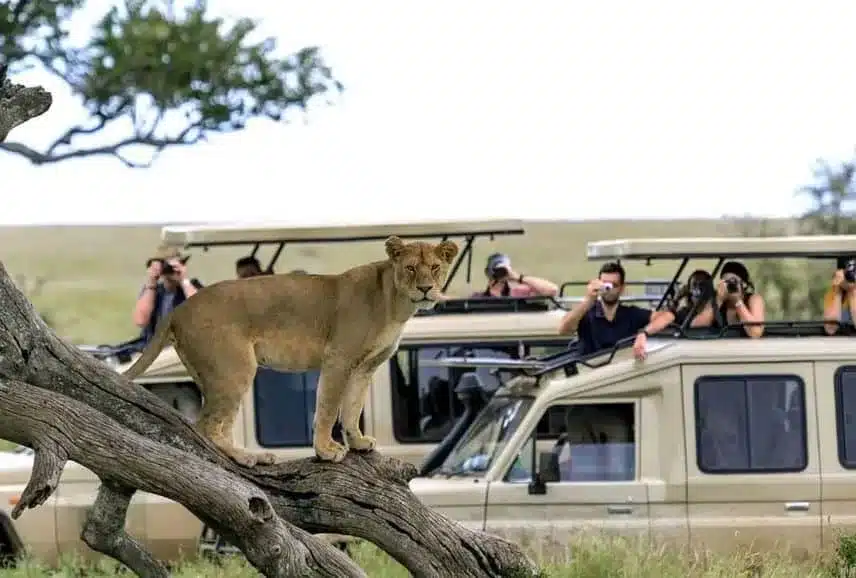
Professional wildlife photography opportunities stand out as a primary benefit when booking a safari tour africa with East Africa Travel Company. Each vehicle comes equipped with pop-up roofs and guaranteed window seats, ensuring every guest captures unobstructed views of the Serengeti’s predator-prey interactions and Ngorongoro’s concentrated wildlife populations. However, what truly differentiates this experience is the comprehensive support system that transforms standard game drives into immersive learning experiences—certified naturalist guides provide real-time behavioral insights, while pre-safari briefings cover optimal camera settings for different lighting conditions across Tanzania’s varied ecosystems.
🌍 Tanzania Northern Circuit vs. Southern Circuit: What’s the Difference?
Tanzania’s northern circuit dominates African safaris with concentrated wildlife populations and established infrastructure. The northern route encompasses Serengeti, Ngorongoro Crater, Tarangire, and Lake Manyara—all within manageable driving distances. These parks cluster together in a geographic concentration that allows visitors to experience multiple ecosystems within a single trip. Infrastructure here includes numerous lodges, tarmac roads between major centers, and daily scheduled flights connecting key destinations. The predator-rich caldera experiences in this region showcase why over 80% of Tanzania’s safari visitors choose northern parks. The southern circuit offers remote wilderness encounters with dramatically fewer tourists. Selous Game Reserve (now Nyerere National Park) and Ruaha National Park create authentic bush experiences where vehicle sightings remain rare. These parks require fly-in access for most visitors, adding both cost and adventure to the journey. Wildlife densities run lower than northern counterparts, but the trade-off comes through exclusive game viewing and undisturbed animal behavior. Walking safaris flourish here due to limited vehicle traffic and experienced guide availability.
✨ Make It Even Better: Add Zanzibar!
Extending your adventure to Zanzibar transforms a traditional safari into a comprehensive East African experience. After you go on safari through Tanzania’s wilderness, this spice island offers pristine beaches, historic Stone Town, and crystal-clear waters—creating the perfect contrast to dusty game drives. The combination package addresses what travelers increasingly seek: adventure followed by relaxation in a single journey. Most safari operators structure these combinations with seamless logistics. You’ll fly directly from Arusha or Dar es Salaam to Zanzibar’s Abeid Amani Karume International Airport, typically adding 3-5 beach days to your itinerary. The island’s coral reefs provide exceptional snorkeling opportunities, while dhow cruises, and spice tours fill any downtime between beach lounging sessions.
📣 Ready for the Safari of a Lifetime?
The moment to go on safari is now. Tanzania’s Serengeti and Ngorongoro offer wildlife experiences that exceed expectations—where nature performs daily spectacles found nowhere else on Earth. Every sunrise brings new encounters, every game drive reveals different drama unfolding across these legendary landscapes.
However, timing matters. Peak safari seasons fill quickly, particularly during the Great Migration’s river crossings. Planning ahead ensures you secure ideal dates, preferred accommodations, and experienced guides who transform good safaris into extraordinary ones. Your African adventure awaits—let’s make it unforgettable.
📞 Call/WhatsApp: +255 784 411 852
Connect directly with Tanzania safari specialists ready to transform your African adventure into reality. Real-time WhatsApp support ensures immediate answers to your planning questions—from availability checks to customized itinerary adjustments.
🔗 Visit Us:
Explore comprehensive safari packages and expert planning resources at East Africa Travel Company—your gateway to Tanzania’s most extraordinary wildlife destinations and authentic wilderness experiences.
Day 1: Arrival – Arusha
Touch down in Arusha, Tanzania’s safari gateway nestled between Mount Meru and Kilimanjaro, where your African adventure begins. After clearing customs at Kilimanjaro International Airport, you’ll transfer to your Arusha accommodation—typically a comfortable lodge with mountain views—where evening wildlife briefings prepare you for tomorrow’s journey into Tarangire National Park. This acclimatization day allows your body to adjust while your guide confirms park permits and finalizes your personalized safari itinerary.
Day 2: Tarangire National Park Safari
Rise with the sun for your first full safari day, departing Arusha after breakfast for the two-hour drive to Tarangire National Park. Known for its iconic baobab trees and massive elephant herds—some numbering over 300 individuals during dry season—this 1,100-square-mile reserve offers intimate wildlife encounters away from the crowds that flock to more famous parks. Your guide navigates the park’s diverse terrain, from seasonal swamps to acacia woodlands, where predators lounge in afternoon shade and over 550 bird species make Tarangire a premier birding destination. The Tarangire River becomes a wildlife magnet during dry months (June through October), drawing not just elephants but zebra, wildebeest, and buffalo to its life-giving waters. After a full day of game viewing, you’ll exit the park for your accommodation, where sundowners and safari stories await. Tomorrow’s early departure for Ngorongoro Crater means tonight’s rest is essential for what many call Tanzania’s most spectacular wildlife spectacle.
Day 3: Ngorongoro Crater – Arusha
Descend into the world’s largest intact volcanic caldera for arguably East Africa’s most concentrated wildlife viewing experience. The Ngorongoro Crater floor, spanning 100 square miles at 7,500 feet elevation, functions as a natural amphitheater where approximately 25,000 large mammals roam year-round, including one of Africa’s densest lion populations and critically endangered black rhinos. After your morning game drive through this UNESCO World Heritage Site, ascend the crater rim for a scenic drive back to Arusha, arriving by evening with memories of three extraordinary days exploring Tanzania’s premier safari destinations.
Day 4: Departure
Your final morning begins with a leisurely breakfast before the transfer back to Arusha or Kilimanjaro International Airport. Depending on your flight schedule, consider adding optional experiences—perhaps a coffee plantation tour near Arusha to learn about Tanzania’s arabica growing regions, or a visit to local craft markets for handmade Maasai beadwork and Tanzanian art. Most outbound flights depart in the afternoon or evening, allowing time for last-minute cultural immersion before your journey home.
Tour Reviews
Travelers consistently praise East African safaris for their exceptional wildlife density and expert guiding. According to Go2Africa’s 2023 travel report, Tanzania ranks among Africa’s most sought-after destinations, with visitors highlighting the seamless combination of Serengeti’s vast plains and Ngorongoro’s concentrated crater ecosystem as a standout pairing that delivers both quantity and variety in wildlife encounters.
Leave a Review
Your safari experience helps future travelers make informed decisions about their East African adventures. Sharing honest feedback about wildlife encounters, accommodation quality, and guide expertise creates valuable insights for the safari community. Consider posting reviews on platforms like TripAdvisor, SafariBookings, or directly with your tour operator—detailed accounts of game drives, park conditions, and logistical experiences prove most helpful for planning.
You May Also Like
Expand your East African adventure beyond traditional safari experiences with complementary activities that showcase the region’s diverse landscapes. Many travelers combine wildlife viewing with Mount Kilimanjaro climbing expeditions for the ultimate bucket-list journey, while others opt for cultural immersion tours that connect them with local Maasai communities and their conservation efforts.
African Safari Vacations
Planning your East African safari vacation requires understanding the region’s seasonal patterns and booking timelines. According to Go2Africa’s 2023 travel report, travelers increasingly book safari experiences 6-12 months in advance to secure preferred accommodations and guides during peak wildlife viewing seasons.
Modern safari vacations blend traditional game drives with immersive cultural experiences and conservation-focused activities. A common pattern is combining multiple parks within one country or crossing borders to experience different ecosystems—from Tanzania’s vast Serengeti plains to Kenya’s Masai Mara reserves. What typically happens is travelers allocate 3-5 days per park to maximize wildlife encounters without rushing between destinations.
The infrastructure supporting safari tourism has evolved significantly, offering options from budget camping to luxury lodges with private concessions. However, choosing the right accommodation style depends on your priorities: mobile tented camps provide proximity to wildlife migrations, while permanent lodges offer consistent amenities, and accessibility. On the other hand, fly-in safaris eliminate long road transfers but come at premium prices. Consider your travel style carefully—whether you prefer structured itineraries with expert guides or flexible, self-drive adventures that allow spontaneous wildlife encounters throughout your East African journey.
15 of the Best Safaris in Africa
East Africa consistently dominates continental safari rankings, with Serengeti National Park and Ngorongoro Crater both placing in the top 10 African safari destinations according to comprehensive traveler reviews and wildlife density assessments. The region’s concentration of world-class parks reflects decades of conservation investment and unparalleled biodiversity corridors that support year-round wildlife viewing across multiple ecosystems and climate zones.
African Safari Tours
Professional safari operators design comprehensive itineraries that maximize wildlife encounters while handling complex logistics across international borders. Tours typically range from 7 to 14 days and combine multiple parks to showcase East Africa’s ecological diversity—Go2Africa’s 2023 report notes that multi-destination packages deliver significantly higher satisfaction rates than single-park visits. Most reputable operators provide all-inclusive packages covering park fees, accommodations, professional guides, and internal flights between destinations. When selecting a tour operator, prioritize those with established local partnerships and conservation credentials, as these connections often translate into exclusive wildlife viewing opportunities and access to remote areas that independent travelers cannot easily reach.
Best African Safari Tours
Tour operators specializing in East African safaris combine logistical expertise with wildlife knowledge to deliver seamless experiences across multiple ecosystems. Premium providers typically feature certified naturalist guides, private vehicle access, and accommodations strategically positioned near prime game-viewing areas. However, quality varies significantly—reputable operators maintain fleet standards, emergency protocols, and direct relationships with conservation-focused lodges rather than relying on third-party bookings.
Packages Tailored Itineraries
Safari packages range from budget camping expeditions to luxury lodge experiences, with customization options addressing specific wildlife priorities, photography requirements, and physical abilities. Operators adjust itineraries based on seasonal animal movements—timing Serengeti packages around Great Migration phases or structuring Ngorongoro visits to coincide with predator concentrations near watering holes during dry months.
Best African Safari Tours Packages Tailored Itineraries
Customized safari packages address diverse travel preferences through flexible itinerary design and specialized focus areas. Tour operators structure options ranging from photography-intensive programs tracking predator movements to family-friendly circuits emphasizing educational components and comfortable accommodations. The 2023 safari travel patterns reveal increasing demand for multi-country combinations pairing Tanzania’s Serengeti with Kenya’s Maasai Mara during migration periods. Budget considerations typically span $300-$800 per person daily, reflecting accommodation tiers from permanent tented camps to luxury lodges with private guides. What typically happens is operators build core itineraries around wildlife density calendars, then adjust activity pacing and cultural immersion levels based on traveler demographics and physical fitness requirements. However, package flexibility matters most during unpredictable wildlife movements when alternative locations become necessary.
Safaris in Africa
African safaris represent transformative wildlife encounters that connect travelers with nature’s most dramatic ecosystems. The continent hosts over 8,300 protected areas covering approximately 2.3 million square kilometers, creating unparalleled opportunities for wildlife observation across diverse landscapes from savannah grasslands to dense forests. What makes these experiences compelling is the immediacy of witnessing predator-prey interactions, seasonal migrations, and endangered species in their natural habitats rather than controlled environments. However, safari quality varies significantly by destination—factors like wildlife density, conservation management, seasonal timing dramatically affect encounter probability, and overall experience value.
African Safari Tours Holidays
African safari tours holidays combine wildlife viewing with comprehensive travel experiences that transform vacation time into meaningful encounters with nature. Modern safari packages integrate accommodation, transportation, expert guides, and curated wildlife experiences into seamless itineraries. These structured holidays remove logistical complexity while maximizing time in wildlife-rich environments—a practical approach for travelers balancing limited vacation days with ambitious exploration goals.
Safari holidays typically span 7-14 days, allowing adequate time for multiple park visits and diverse ecosystem exploration. The holiday structure accommodates various travel styles, from luxury lodge-based experiences to mobile camping adventures that follow seasonal wildlife migrations. What typically happens is that travelers select packages matching their comfort preferences and wildlife priorities, with operators handling permits, park fees, and scheduling complexities.
The economic significance extends beyond individual experiences—safari tourism generates substantial revenue for African communities, supporting conservation efforts and local employment. This connection between travel enjoyment and conservation funding creates purposeful holidays where leisure activities directly contribute to wildlife protection. Understanding seasonal patterns and regional wildlife movements becomes essential when planning optimal safari timing, particularly for specific species encounters like Kenya’s iconic migrations.
What are the best months to go on a safari in Kenya?
Kenya’s optimal safari months span two distinct dry seasons: July through October and January through February. During these periods, wildlife congregates around permanent water sources as vegetation thins, creating exceptional viewing opportunities. The Great Migration crosses into the Masai Mara between July and September, when millions of wildebeest and zebra navigate crocodile-filled river crossings. January and February offer equally impressive wildlife viewing with fewer crowds, lower accommodation rates, and making them attractive alternatives for budget-conscious travelers. Rain patterns affect road accessibility and animal distribution, so timing your visit around Kenya’s weather cycles significantly impacts the safari experience—particularly for families seeking comfort and reliability.
Are there safari options that cater to families with young children?
Family-friendly safari lodges and camps provide specialized accommodations designed specifically for traveling with children under 12. These properties feature family suites with interconnecting rooms, child-proof facilities, and age-appropriate activities that balance wildlife viewing with educational entertainment. Many camps offer
- dedicated children’s programs with junior ranger courses
- nature scavenger hunts
- wildlife tracking lessons led by trained guides who adapt content for younger attention spans.
Safari operators typically implement flexible schedules for families, including shorter game drives (2-3 hours instead of 4-5 hours), earlier departure times to avoid midday heat, private vehicle options that allow for bathroom breaks, and snack stops. Certain parks maintain stricter age restrictions—some walking safaris and bush camps require children to be at least 12 or 16 years old—but traditional vehicle-based safaris generally welcome children of all ages. Private reserves often provide
- more flexibility than national parks
- allowing families to customize itineraries around nap times
- meal preferences. However, parents should verify specific lodge policies regarding minimum age requirements before booking, as these vary considerably across different properties and regions.
How does a walking safari differ from a traditional safari?
Walking safaris place you directly on the ground with wildlife, transforming the safari experience from passive observation to active engagement with the African wilderness. Unlike vehicle-based safaris where you view animals from an elevated, enclosed position, insect activity, and vegetation patterns that vehicle safaris typically miss. The pace shifts dramatically during walking safaris. While traditional game drives can cover extensive territory quickly, walking excursions move at a deliberate speed, allowing for deeper ecological understanding. An armed ranger leads small groups (typically 4-8 guests) through designated zones, explaining animal behavior, identifying medicinal plants, and reading environmental signs that indicate recent wildlife activity.
Safety protocols differ substantially between formats. Walking safaris require briefings on animal encounter procedures, specific hand signals for communication, and strict adherence to guide instructions. The experience demands more physical fitness and produces higher adrenaline levels—particularly when encountering elephants or buffalo on foot, where the absence of a vehicle barrier heightens awareness and respect for wildlife space.
However, walking safaris typically cover shorter distances and observe fewer large animals than vehicle-based excursions. They excel at providing intimate experiences with smaller wildlife and fostering understanding of ecosystem interconnections—making them an excellent complement rather than replacement for traditional game drives. This combination approach ensures comprehensive wildlife encounters while preparing travelers for the health considerations necessary when exploring remote African wilderness areas.
What vaccinations are recommended before going on a safari in Africa?
Yellow fever vaccination stands as the most critical requirement for East African safaris, with Tanzania and Kenya both mandating proof of vaccination if you’re arriving from or transiting through yellow fever-endemic countries. Many safari destinations require your International Certificate of Vaccination as a condition of entry.
Beyond yellow fever, healthcare providers typically recommend hepatitis A and typhoid vaccines for travelers to East Africa, given potential exposure through food and water. Routine vaccinations—measles-mumps-rubella (MMR), diphtheria-tetanus-pertussis, and polio—should be current before departure.
Malaria prophylaxis deserves special attention, as many prime safari regions sit within malaria zones. Consult a travel medicine specialist at least 4-6 weeks before departure to determine the appropriate antimalarial medication for your specific itinerary, as recommendations vary by season and exact location.
Additional considerations include hepatitis B for travelers planning extended stays or potential medical procedures, and rabies vaccination for those spending extended time in remote areas. Some travelers also discuss meningococcal vaccine with their healthcare provider, particularly when traveling during dry season months.
Schedule your travel health consultation well in advance—some vaccines require multiple doses over several weeks, and combining too many vaccinations in a single visit can cause unnecessary discomfort. Planning your health preparations now sets the foundation for customizing every other aspect of your safari experience.
Can I customize my own safari itinerary, and how should I start?
You can absolutely customize your safari itinerary, and most tour operators actively encourage it to match your interests and budget. Start by defining your priorities—whether that’s witnessing the Great Migration, tracking specific wildlife, or combining parks with cultural experiences. According to Go2Africa’s Annual State of Safari Travel Report, personalized itineraries have become increasingly popular as travelers seek unique experiences beyond standard packages.
Begin your planning by researching East Africa’s diverse regions and their seasonal highlights. Choose your anchor destinations first—typically one or two major parks like Serengeti or Masai Mara—then build around them based on travel time and interests. What typically happens is travelers underestimate distances between parks, so consult with specialists who understand logistics and can suggest realistic daily schedules.
Work with reputable tour operators who offer flexible booking options rather than rigid packages. Share your must-see wildlife, preferred accommodation style, activity interests (walking safaris, cultural visits, hot air balloon rides), and any mobility considerations. However, remain open to expert guidance on timing and park combinations, as operators understand seasonal patterns and can optimize your route for the best wildlife viewing opportunities while managing your budget effectively.
Luxury African Safaris and Tours
Luxury safari experiences in East Africa blend exclusive wildlife encounters with world-class accommodations, offering private conservancies, personalized service, and upscale amenities that elevate the traditional safari experience. According to Go2Africa’s 2023 State of Safari Travel Report, luxury travel segments continue growing as travelers seek more intimate, high-end safari experiences with smaller group sizes and premium lodge options.
Premium safari lodges typically feature gourmet dining, spa facilities, infinity pools overlooking waterholes, and private verandas where you can watch wildlife without leaving your room. Many luxury operators provide
- exclusive game drives with expert guides
- bush dinners under starlit skies
- access to private conservancies where tourist numbers remain strictly limited. These elevated experiences come with higher price points but deliver unmatched comfort, privacy, and wildlife viewing opportunities that standard safaris cannot match.
Voted #1 World’s Best Safaris
East African safari destinations consistently dominate global rankings, with the Serengeti-Mara ecosystem and Ngorongoro Crater earning top positions in international travel awards. According to Top 10 Best African Safari Parks & Destinations of 2026, these parks receive exceptional ratings from thousands of verified travelers. The region’s combination of wildlife density, conservation success, and authentic cultural experiences sets it apart from other African destinations. What typically happens is that visitors expect spectacular wildlife—and East Africa exceeds those expectations with unmatched biodiversity.
Luxury African Safaris and Tours Voted #1 World’s Best Safaris
East Africa’s luxury safari offerings consistently earn top global rankings, combining exceptional wildlife experiences with world-class service standards that set the benchmark for African travel experiences worldwide.
African Safari
An African safari represents one of travel’s most transformative experiences, combining wildlife encounters with cultural immersion across diverse ecosystems. East Africa’s safari circuit attracts visitors seeking authentic wilderness experiences—tourist arrivals to safari destinations increased 23% in 2023 as global travelers prioritized meaningful nature-based adventures. The region’s protected areas offer unparalleled biodiversity, professional guiding standards, conservation-focused tourism that supports both wildlife, and local communities.
A Wildlife Adventure
Wildlife encounters in East Africa transform ordinary travel into extraordinary journeys, where every game drive presents possibilities ranging from predator hunts to elephant family reunions. The region’s concentrated biodiversity creates daily opportunities for moments that redefine connection with nature—whether witnessing the raw power of a lioness protecting her cubs or the gentle grace of giraffes silhouetted against amber skies. In practice, these authentic interactions occur spontaneously, guided by nature’s rhythms rather than scripted schedules, making each safari a unique chapter in Africa’s ongoing wild narrative that subtly previews Botswana’s distinctive beauty.
A Safari in Botswana Offers Unforgettable Moments in Africa’s Wild Beauty
**While East Africa dominates safari conversations
- Botswana delivers exceptional wildlife encounters** through its commitment to low-impact
- high-value tourism. The Okavango Delta’s seasonal flooding creates an aquatic wonderland where elephants wade through channels and predators hunt on palm-fringed islands—a striking contrast to East Africa’s vast savannas yet equally transformative for travelers seeking Africa’s raw wilderness.
Luxury Accommodations
East African safari lodges blend sophisticated comfort with authentic wilderness immersion, offering accommodations that range from intimate tented camps to five-star lodges with infinity pools overlooking migration routes. These properties balance modern amenities—spa treatments, gourmet dining, premium bedding—with environmental sensitivity through solar power, water conservation, and minimal structural footprints that preserve natural landscapes.
Premium lodges position guests within wildlife corridors where elephants pass at dawn and predators patrol after dark. However, luxury pricing doesn’t guarantee superior wildlife viewing; location often matters more than amenities when selecting accommodation. Mid-range camps frequently occupy equally strategic positions at more accessible rates.
What typically sets luxury properties apart is personalized service—private guides, customized itineraries, and exclusive concession access that reduces vehicle congestion. Still, budget-conscious travelers shouldn’t equate accommodation tier with safari quality; the wildlife performs regardless of thread count.
How Can I Choose a Reputable Safari Tour Operator in Tanzania?
Selecting a trustworthy safari operator requires evaluating licensing credentials, safety standards, and conservation commitments. Start by verifying the operator holds proper Tanzania Tourist Board certification and membership in recognized industry associations like TATO (Tanzania Association of Tour Operators). A common pattern is established operators maintain transparent pricing structures without hidden fees, clearly outlining what’s included in safari packages—from park fees to accommodation standards.
Review operator credentials through independent booking platforms that aggregate traveler feedback and safety records. However, be cautious with reviews: look for patterns across multiple sources rather than isolated testimonials. What typically happens is reputable operators provide detailed pre-trip information about vehicle maintenance protocols, guide qualifications, and emergency response procedures. They should readily share guide credentials and demonstrate commitment to responsible tourism practices that benefit local communities and wildlife conservation efforts. A trustworthy operator answers questions thoroughly and demonstrates deep destination knowledge when discussing wildlife patterns, seasonal considerations, and realistic expectations for sightings.
Are There Safari Options That Cater to Families with Young Children?
Family-friendly safari lodges throughout East Africa now offer specialized programs, child-safe accommodations, and age-appropriate activities that transform what was once considered an adults-only experience into memorable adventures for all ages. Many camps welcome children as young as four years old, with some accepting infants when families book private vehicles and guides.
Dedicated children’s programs include junior ranger activities, bush skills workshops, and wildlife tracking sessions designed to engage young minds. However, it’s important to note that game drive length and accommodation remoteness can present challenges—most operators recommend shorter drives (2-3 hours maximum) for children under seven. Private family tents or interconnecting rooms provide
- comfort
- security
- while some lodges maintain swimming pools
- play areas for downtime between safari activities.
Flexibility in scheduling proves essential when traveling with children. Many family safari specialists structure itineraries with morning activities followed by afternoon rest periods, avoiding the traditional dawn-to-dusk schedule. Age restrictions vary by park and lodge, with some locations requiring children to be at least six years old for walking safaris or hot air balloon rides. Choosing malaria-free destinations or lower-risk periods can ease parental concerns about health precautions, making family safaris both safer and more enjoyable for everyone involved.
What Are the Most Budget-Friendly Safari Destinations in Africa?
East Africa offers exceptional value with Tanzania and Kenya providing affordable safari experiences without compromising wildlife encounters. Tanzania’s northern circuit parks, particularly Tarangire and Lake Manyara, deliver abundant wildlife viewing at lower costs compared to premium reserves, while Kenya’s national parks outside peak season offer competitive pricing structures.
The budget-conscious traveler can significantly reduce expenses through strategic timing and destination selection. Traveling during shoulder seasons (April-May and November) typically reduces accommodation costs by 30-40% while maintaining excellent wildlife viewing opportunities. Self-drive camping safaris in Tanzania’s less-visited parks like Ruaha provide adventurous alternatives to guided luxury tours, with daily costs potentially dropping below $150 per person including park fees.
Consider group joining safaris, which distribute vehicle and guide costs among multiple travelers. These shared experiences make premium destinations accessible while fostering connections with fellow wildlife enthusiasts. Tanzania’s conservation areas outside the Ngorongoro Crater command lower entry fees while still offering remarkable biodiversity—a practical approach for extending safari duration within fixed budgets.
Health preparation remains essential regardless of budget tier, making understanding vaccination requirements critical before departure.
What Vaccinations Are Recommended Before Going on a Safari in Africa?
Yellow fever vaccination is mandatory for entry into Tanzania and Kenya if traveling from endemic countries, while hepatitis A, typhoid, and routine immunizations are strongly recommended for all East African safari travelers. Consult your healthcare provider at least 4-6 weeks before departure to ensure adequate protection.
Yellow fever poses the most stringent requirement—many East African nations require proof of vaccination via the International Certificate of Vaccination (yellow card) for travelers arriving from countries with yellow fever transmission risk. Even when not mandatory based on your origin country, the vaccination provides essential protection in endemic regions.
Beyond yellow fever, healthcare professionals typically recommend hepatitis A and typhoid vaccines due to potential exposure through food and water, particularly when staying in remote safari camps. Hepatitis B vaccination makes sense for travelers who might need medical treatment or engage in activities with potential blood exposure. Routine vaccinations—including measles-mumps-rubella (MMR), diphtheria-tetanus-pertussis, and polio—should be current regardless of your destination. Malaria prophylaxis deserves special attention, though it’s preventive medication rather than vaccination. Most East African safari regions, including the Serengeti, Masai Mara, and fall within malaria zones. Prescription antimalarials like atovaquone-proguanil or doxycycline require starting before arrival and continuing after departure. Rabies vaccination merits consideration for travelers planning extended stays, working with animals, or visiting areas with limited medical access. While pre-exposure prophylaxis doesn’t eliminate the need for post-exposure treatment after an animal bite, it significantly simplifies the protocol and buys valuable time in remote locations.
However, individual health conditions, specific itinerary details, and current disease outbreaks influence personalized recommendations. A travel medicine specialist can assess your unique situation and provide updated guidance based on current CDC and WHO advisories for your exact destinations.
Can I Customize My Own Safari Itinerary, and How Should I Start?
Yes, customizing your own safari itinerary is not only possible but increasingly popular among travelers seeking personalized East African adventures. Start by identifying your priority wildlife experiences—whether that’s tracking the Great Migration, encountering mountain gorillas, or witnessing predator action—then select parks and timing accordingly.
The customization process begins with three fundamental decisions: budget allocation, travel season, and park selection. Work backward from your wildlife goals to determine which parks align with your interests, then consider whether you prefer the Serengeti’s vast plains or Ngorongoro’s concentrated game viewing. Research shows that independent travelers who customize itineraries often achieve more meaningful wildlife encounters by avoiding peak-season crowds.
Connect with reputable operators who offer flexible booking rather than rigid packages—this allows you to adjust accommodation levels, add cultural experiences, and or extend specific park stays based on personal preferences. A practical approach is starting with anchor experiences (like
- a Serengeti hot air balloon ride)
- building your itinerary around those highlights
- leaving room for spontaneous discoveries that make African safaris truly unforgettable.
📞 Call/WhatsApp: +255 784 411 852
🔗 Visit Us: East Africa Travel Company
Book your Safari in Africa today — and let the wild welcome you home! 🐾
| Destination | Tarangire, Ngorongoro |
| Arrival | Kilimanjaro International Airport (JRO) |
| Departure Time | Yes Require |
| Included | ✅ Included in Your Safari Package (All Prices Include VAT)
|
| Excluded |
❌ Not Included in Your Safari Package
|
| Tanzania in Safari | |
Day 1: Arrival – Arusha
Arrive at Kilimanjaro International Airport or Arusha Airport. Meet your guide and transfer to your hotel in Arusha for check-in and overnight rest.
Day 2: Tarangire National Park Safari
Depart after breakfast for a game drive in Tarangire National Park. Witness large elephant herds, lions, zebras, and baobab trees. Enjoy a picnic lunch. Overnight at Fanaka Lodge.
Day 3: Ngorongoro Crater – Arusha
Head to Ngorongoro Conservation Area and descend into the crater for a spectacular game drive. Spot rhinos, lions, and hippos. Return to Arusha in the evening. Overnight at River House Lodge.
Day 4: Departure
Enjoy breakfast at your lodge before your transfer to the airport for your international departure. End of services.

Tour Reviews
There are no reviews yet.
Leave a Review