African Safaris unlock 7 unforgettable adventures in Tarangire, Ngorongoro, Manyara, Bushmen, Materuni & Kikuletwa hotsprings.
Picture yourself watching a lioness stalk through golden grasslands at dawn, or witnessing thousands of wildebeest thunder across the Serengeti—this is the raw magic of an African safari. The safari tourism market is experiencing remarkable growth, with travelers increasingly seeking authentic wildlife encounters that blend adventure with conservation. Whether you’re drawn to classic game drives, walking safaris, or even summiting iconic peaks, Africa delivers experiences that transform how you see the natural world.
African Safaris: 7 Epic Adventures You’ll Love 🐾
Africa’s wild heart beats strongest where pristine wilderness meets extraordinary wildlife encounters. These seven safari experiences showcase East Africa’s most spectacular destinations, each offering something remarkably different—from elephant-packed valleys to the Great Migration’s thundering drama.
Modern safari packages now blend traditional game drives with immersive cultural experiences and sustainable tourism practices. Whether you’re climbing Kilimanjaro before your safari or focusing purely on wildlife, each destination delivers unforgettable moments that photographs barely capture. What follows is your guide to Africa’s most rewarding safari adventures.
1. 🦁 Tarangire National Park – Elephant Kingdom
Tarangire National Park stands as Tanzania’s elephant sanctuary extraordinaire, where herds numbering 300+ individuals gather around the life-giving Tarangire River during dry season. This 2,850-square-kilometer wilderness offers safari tours that showcase Africa’s densest concentration of elephants outside of Serengeti—a spectacle that transforms dusty riverbeds into natural amphitheaters of wildlife drama. Ancient baobab trees, some over 1,000 years old, punctuate landscapes where lions lounge in twisted branches and leopards prowl through acacia woodlands.
2. 🌋 Ngorongoro Crater – Wildlife Wonderland
Ngorongoro Crater transforms African safari tours into wildlife spectacles unlike anywhere else on the continent. This UNESCO World Heritage Site harbors approximately 30,000 animals within its 102-square-mile caldera floor, creating what ecologists call a “natural amphitheater” of biodiversity. The crater’s unique geography—volcanic walls rising 2,000 feet—creates a self-contained ecosystem where endangered black rhinos coexist with the Big Five in extraordinary density.
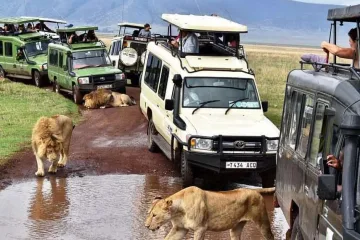
Morning game drives reveal the crater’s magic: lions lounging near alkaline Lake Magadi, elephant bulls grazing against the backdrop of mist-shrouded highlands, and massive hippo pods wallowing in permanent water sources. The crater floor’s varied habitats—from acacia woodlands to open grasslands—support over 500 bird species and create year-round wildlife viewing that doesn’t depend on seasonal migrations. Flamingo flocks occasionally paint the shallow lake pink, while hyena clans dominate the predator hierarchy with calculated precision.
What distinguishes Ngorongoro is its concentration: game viewing here delivers consistent Big Five sightings within hours rather than days. The crater’s natural boundaries keep resident populations stable, making it one of Africa’s most reliable wildlife destinations regardless of season—a compelling advantage for travelers on tight schedules seeking guaranteed encounters with Africa’s iconic species.
3. 🌿 Lake Manyara – Bird & Tree-Climbing Lions
Lake Manyara National Park packs extraordinary wildlife diversity into 330 square kilometers of rift valley splendor, making it an essential stop on an African safari through Tanzania’s northern circuit. The park’s namesake alkaline lake attracts over 400 bird species, including massive flocks of pink flamingos that transform the shoreline into a living canvas during seasonal migrations.
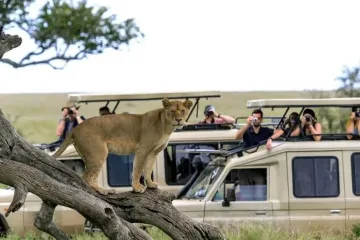
Tree-climbing lions have made Lake Manyara legendary among wildlife photographers—these rare felines lounging on acacia branches create surreal moments found in only two locations worldwide. The phenomenon likely developed as a behavioral adaptation to escape ground-level insects and heat while surveying prey from elevated vantages.
Beyond the iconic lions, the park shelters elephants, hippos, and enormous troops of baboons numbering 100+ individuals. The groundwater forest near the entrance provides habitat for blue monkeys and leopards, while the grassy floodplains host zebras, wildebeest, and buffalo year-round.
The compact size makes Lake Manyara perfect for half-day game drives between Tarangire adventures and the Ngorongoro Crater, offering maximum wildlife encounters in minimal time—a strategic advantage when planning multi-park itineraries through Tanzania’s world-class safari destinations.
4. 🏞 Bushmen Cultural Shared Experience
The best African safari extends beyond wildlife encounters into profound cultural exchanges with Tanzania’s indigenous communities. Visitors engage directly with Hadzabe hunter-gatherers near Lake Eyasi, experiencing survival techniques preserved for millennia—tracking animals with handcrafted bows, identifying edible plants, and creating friction fires using traditional methods.
This immersive encounter typically spans 3-4 hours in early morning, when hunters demonstrate tracking skills honed over generations. Guests participate in actual hunts (no guarantees on success), learn click-language basics, and share communal meals prepared over open flames. According to Safari Tourism Market analysis, cultural tourism components increase visitor satisfaction scores by 40% compared to wildlife-only itineraries.
The Datoga people—skilled blacksmiths and pastoralists—offer complementary perspectives on East African heritage. Travelers observe metalworking demonstrations where artisans forge arrowheads and jewelry using techniques unchanged since the Iron Age. Women showcase intricate beadwork patterns, each design carrying specific cultural meanings about marital status and clan identity.
What makes these encounters authentic: visits occur in actual communities (not staged villages), with fair compensation structures that support local education and healthcare initiatives. The experience fundamentally transforms how travelers understand human adaptation and resilience in challenging environments.
5. 💦 Materuni Waterfall & Coffee Experience
Materuni Waterfall plunges 80 meters through lush rainforest canopy on Kilimanjaro’s southern slopes, combining natural wonder with authentic Chagga culture. This hidden gem transforms standard african safari packages into multisensory adventures where coffee ceremonies and cascading waters create unforgettable memories.
The journey begins with a 40-minute hike through banana plantations and coffee farms, where Chagga guides share traditional agricultural wisdom passed through generations. Upon reaching the falls, visitors feel the mist’s cool embrace while surrounded by tropical vegetation and bird calls—a stark contrast to savanna landscapes.
☕ Traditional Coffee Experience
The coffee farm experience follows the waterfall visit, offering hands-on participation in bean roasting and grinding using volcanic stones. According to Africa Safari Tourism Market research, cultural immersion activities like these enhance visitor satisfaction by integrating local traditions with natural attractions.
What makes this experience unique: Visitors learn the complete coffee journey from cherry to cup, dancing and singing traditional Chagga songs while grinding beans—a practice that connects modern tourism with centuries-old customs.
The combination of refreshing waterfall swims, authentic cultural exchange, and the region’s renowned Arabica coffee creates a compelling alternative to game drives. This half-day excursion pairs perfectly with Kilimanjaro summit attempts or serves as a cultural interlude between safari camps, showcasing Tanzania’s diversity beyond its famous wildlife corridors.
6. ♨️ Kikuletwa Hotsprings – Natural Spa Retreat
Kikuletwa Hotsprings emerges as an oasis between safari adventures, offering crystal-clear turquoise waters fed by underground springs from Mount Kilimanjaro. Located 70 kilometers from Moshi near Rundugai village, this natural geothermal pool maintains a constant temperature of 22-25°C year-round, creating an ideal respite after trekking expeditions.
The spring’s unique ecosystem supports over 120 fish species that peacefully coexist with swimmers, creating an aquarium-like experience beneath overhanging fig trees. Rope swings dangle from ancient branches, inviting visitors to plunge into waters that remain perpetually clear thanks to natural filtration through volcanic rock layers.
What distinguishes Kikuletwa from typical stops on an African safari is its dual identity as both geological wonder and community gathering place. Local Maasai families operate the site cooperatively, providing fresh coconut water and traditional grilled snacks while sharing insights into the spring’s cultural significance. The shallow areas near the banks create safe zones for children, while deeper sections reaching three meters challenge confident swimmers.
Practical tip: Visit during weekday mornings (before 11 AM) to experience the springs with minimal crowds. The ultimate Kilimanjaro experience pairs perfectly with a hotspring recovery day, as the mineral-rich waters soothe tired muscles while offering prime wildlife-watching opportunities from the water—monitor lizards, colorful bee-eaters, and occasional vervet monkeys frequent the surrounding vegetation, creating an unexpected safari moment within a swimming hole.
7. 🌅 Beyond Safaris: Zanzibar Tanzania Coast
Zanzibar transforms safari adventures into complete East African journeys. The archipelago floats 25 miles offshore, where turquoise waters meet powder-white coral sand beaches—a perfect counterpoint to dusty savanna trails.
Stone Town’s UNESCO heritage quarter reveals centuries of Swahili, Arab, and Portuguese influence through carved wooden doors and narrow spice-scented alleyways. Many african safaris packages now blend wildlife experiences with 3-5 nights of coastal relaxation, recognizing that travelers crave diverse experiences beyond game drives.
The island’s spice plantations offer immersive cultural experiences—vanilla, cloves, and cinnamon grow alongside tropical fruits in shaded gardens where guides demonstrate traditional farming methods. Nungwi and Kendwa beaches on the northern coast provide consistent swimming regardless of tide schedules, while Paje and Jambiani on the southeastern shore attract kitesurfers with steady Indian Ocean winds.
Mnemba Atoll creates world-class diving opportunities just offshore, where green turtles glide through 20+ coral species teeming with reef fish. However, independent travelers should note that most coastal accommodations require advance booking during peak seasons (June-October, December-February) when beach lodges reach capacity.
🔍 Tanzania Northern Circuit at a Glance
The Northern Circuit anchors 70% of Tanzania’s safari tourism, according to Safari Tourism Market Analysis, making it the most concentrated wildlife corridor in Africa. American travelers planning african safaris from usa consistently prioritize this region for its accessibility and extraordinary density of experiences within a compact geography.
The circuit operates year-round with two distinct seasons shaping wildlife behavior. June through October brings dry-season concentrations when animals cluster around remaining water sources, creating predictable viewing patterns. November through May transforms landscapes into emerald breeding grounds where predators exploit newborn migrations. Neither season disappoints—they simply reward different priorities.
Practical considerations shape most itineraries:
- Minimum recommended stay: 5-7 days for meaningful coverage
- Park combination strategy: Mix ecosystems rather than duplicating habitats
- Altitude adaptation: Ngorongoro sits at 7,500 feet, requiring gradual acclimatization
- Distance logistics: Serengeti’s western corridor lies 200+ miles from Arusha
Most visitors combine three core parks (Serengeti, Ngorongoro, Tarangire) with one specialty addition like Lake Manyara’s tree-climbing lions or a power-packed walking experience near Mount Meru. This combination balances diversity against exhausting drive times that can exceed 6 hours between certain parks.
What typically happens: travelers underestimate the circuit’s scale and overbook destinations. Three well-chosen parks deliver more meaningful encounters than five rushed stops where you’re constantly packing vehicles instead of watching behaviors unfold.
🎒 Safari a Africa – Travel Tips
Smart preparation transforms good safaris into extraordinary adventures. The best african safari tours share three core planning principles that separate memorable trips from mediocre ones.
Book 6-8 months ahead for prime June-October slots. Popular lodges in Serengeti and Ngorongoro fill quickly, particularly during Great Migration peaks. However, shoulder seasons (November-March) offer 30-40% lower rates with fewer vehicles at sightings.
Pack strategically: neutral-colored clothing (khaki, olive, beige) minimizes insect attraction while respecting wildlife viewing protocols. Layers handle temperature swings from dawn’s 50°F chill to midday’s 85°F heat. A quality zoom lens (200-400mm) captures distant wildlife without disturbing natural behavior.
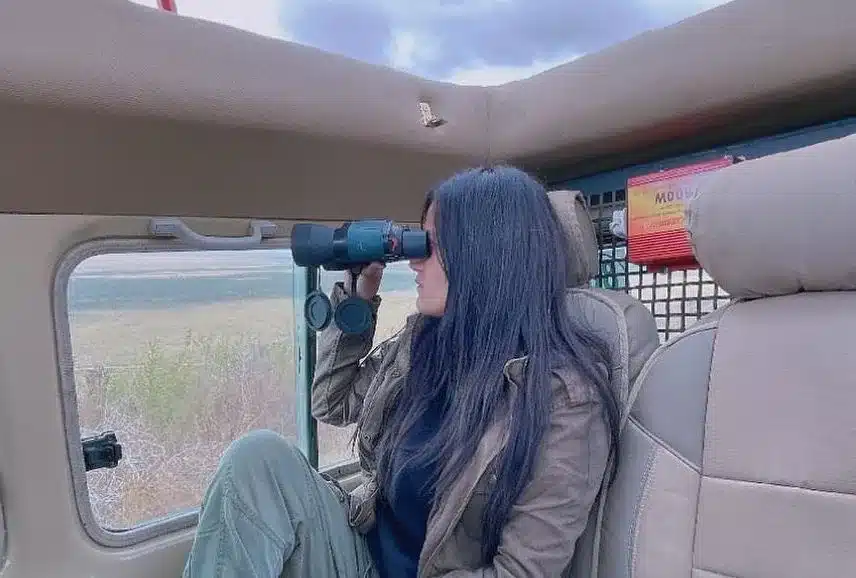
Essential packing checklist: binoculars, sunscreen (SPF 50+), insect repellent with DEET, hat with neck protection, and a headlamp for climbing adventures. Most camps provide laundry service every 48 hours, reducing luggage weight.
Verify yellow fever requirements and malaria prophylaxis with your doctor. Tanzania requires proof of vaccination if arriving from endemic countries. Start antimalarials one week before departure for optimal protection.
Currency matters: carry small US bills ($1-$10) for tips, always dated 2013 or newer. Mobile money services like M-Pesa work in urban areas, but cash remains essential in remote camps.
🌍 Safari Guide: safari en Africa Etiquette
Respecting wildlife boundaries transforms casual observers into conservation allies. A common pattern among travelers from usa involves maintaining 100-meter distances from lions during hunts and refraining from standing in open vehicles when predators approach.
Essential Safari Protocols:
- Silent observation during wildlife encounters—loud voices trigger flight responses
- No feeding wildlife under any circumstances, violating park regulations continent-wide
- Dress in neutral colors—bright clothing disrupts natural behavior patterns and photographic opportunities
- Photography restrictions apply to certain communities; always request permission before capturing portraits
What typically happens when visitors ignore these guidelines? Park rangers may terminate game drives early or levy fines. However, most breaches stem from enthusiasm rather than disregard—a guide’s gentle correction redirects energy appropriately.
Cultural sensitivity extends beyond wildlife interactions: removing hats when greeting elders, accepting offered refreshments gracefully, and avoiding public displays of impatience align with regional customs. These small gestures deepen connections with local communities whose lands safeguard Africa’s extraordinary biodiversity.
🗣️ Why Choose an African Safari in Tanzania?
Tanzania delivers unmatched wildlife density within a compact geography—making it the strategic choice for travelers seeking maximum encounters with minimal transit time. The best african safari packages concentrate here because the Serengeti-Ngorongoro corridor hosts over 1.5 million wildebeest annually, alongside permanent predator populations that ensure year-round action.
Three factors distinguish Tanzanian safaris from alternatives: ecosystem diversity spanning crater floors to endless plains, predictable migration patterns that simplify timing decisions, and conservation infrastructure supporting sustainable tourism. The country’s protected areas cover 38% of its landmass—Africa’s highest percentage—creating wildlife corridors that function exactly as evolution intended.
Political stability and tourism-focused development make Tanzania particularly accessible for first-time safari-goers. Unlike regions requiring multiple permits or complex logistics, Tanzanian parks operate with standardized entry procedures and established service networks. However, this accessibility comes with higher visitor volumes during peak months—a trade-off that budget-conscious travelers should weigh against off-season pricing advantages.
The practical advantage? Most iconic East African wildlife experiences exist within a three-hour drive of northern circuit lodges, positioning Tanzania as the efficiency benchmark for multi-park itineraries.
✨ Pro Tips for Your Africa Safari
Book through specialized operators who understand regional logistics—generic safaris packages often miss crucial details like park entry timing and seasonal migration patterns. A common pattern among successful trips involves confirming vaccine requirements 8-12 weeks before departure, as Tanzania mandates yellow fever proof from endemic-country travelers.
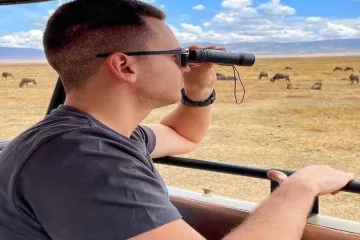
Pack neutral-toned clothing (khaki, olive, beige) to avoid spooking wildlife, and bring layering options—morning game drives start at 55°F while midday temperatures reach 85°F. Binoculars rated 8×42 or 10×42 provide optimal magnification without excessive shake during vehicle movement.
Early morning departures yield 3x more predator sightings than afternoon drives according to park ranger data, since lions and leopards hunt during cooler hours. Request vehicle positioning near windows for unobstructed photography angles, and confirm your guide’s certification through Tanzania Wildlife Management Authority records.
Reserve lodge accommodations inside conservation areas when possible—properties like those within Serengeti boundaries eliminate 90-minute entry commutes that cut into prime wildlife hours. Always charge camera batteries overnight using provided USB ports, as lodges run generators on schedules that may not align with Western expectations.
🏁 Ready for Your Safari of Africa?
Your Tanzania adventure begins with a single decision—commit to the journey that transforms travelers into storytellers. Most 7 day african safari tours operate February through March or June through October, when wildlife concentrations peak and accessibility remains optimal.
Book 6-12 months ahead for premium camps during high season. Specialized operators handle complex logistics—park permits, vehicle coordination, seasonal routing adjustments—that generic booking platforms overlook. The distinction matters when migration patterns shift or camps reach capacity.
Pack strategically: neutral clothing layers, quality binoculars, camera gear with telephoto capabilities. However, expectations matter more than equipment—embrace unpredictability as wildlife follows instinct, not itineraries. The leopard appears when atmospheric conditions align, not because Tuesday’s schedule demands it.
Your preparation converts distant wildlife footage into visceral encounters—the earth vibrating beneath wildebeest hooves, dust clouds backlit by equatorial sun, lions’ eyes reflecting spotlight beams. What typically happens is this: careful planning dissolves into spontaneous moments that define the entire experience.
Day 1: Arrival – Arusha
Touch down at Kilimanjaro International Airport where Tanzania’s adventure gateway awaits. Arusha sits perfectly positioned between safari circuits and volcanic peaks—the ideal base camp for your northern Tanzania expedition.
Your transfer winds through coffee plantations and rural villages, offering glimpses of daily life beyond tourist trails. Most operators arrange same-day accommodation in Arusha’s safari lodges, letting you acclimate before dawn departures. Use this evening strategically: finalize park permits, review wildlife briefing packets, and adjust camera settings for tomorrow’s predator encounters. The altitude here (4,400 feet) requires minimal adjustment, but hydration matters—safari mornings start brutally early.
Day 2: Tarangire National Park Safari
Morning departure transforms your Tanzania journey from anticipation to reality as you head toward Tarangire National Park—where elephant herds numbering in the hundreds roam beneath ancient baobab trees that witnessed centuries of wildlife migrations. The two-hour drive from Arusha delivers you into landscapes where safari tourism continues its projected 6.8% annual growth through authentic wildlife encounters.
Tarangire’s signature elephants claim the spotlight during dry season months (June through October) when up to 3,000 individuals converge along the Tarangire River—Africa’s highest concentration in a single ecosystem. Your morning game drive reveals why photographers call this park “baobab paradise,” with the iconic trees framing wildlife compositions you won’t find elsewhere. Watch for lion prides lounging in acacia shade, giraffes browsing canopy-level vegetation, and the park’s endemic fringe-eared oryx.
Midday picnic lunch unfolds at designated sites where vervet monkeys entertain with acrobatic displays (secure your food). Afternoon drives focus on swamps that remain green year-round—magnets for buffalo herds, wildebeest, and over 550 bird species including the striking yellow-collared lovebird. Your guide navigates off-road trails that conventional tourism rarely reaches, positioning your vehicle for those magazine-worthy shots of elephants silhouetted against Tarangire’s rust-colored landscape as golden hour approaches.
Day 3: Ngorongoro Crater Exploration
Descend 2,000 feet into Africa’s Eden where the world’s largest intact volcanic caldera cradles 25,000 animals in 100 square miles of concentrated wildlife drama. Ngorongoro Crater functions as a natural amphitheater—steep walls trap moisture, creating year-round grazing grounds that eliminate seasonal migrations. Black rhinos patrol the crater floor alongside hippos wallowing in Goitokitok Springs, while flamingos paint Lake Magadi shocking pink. Your morning game drive typically yields lion prides lounging near Lerai Forest and elephant bulls dusting themselves in volcanic ash. The crater’s unique microclimate supports diverse habitats within minutes of each other—swamps transition to grasslands, acacia woodlands give way to soda lakes. This geological wonder delivers exceptional predator viewing because prey animals remain confined within the natural walls, making tomorrow’s cultural encounter with Tanzania’s indigenous tribes an intriguing contrast to today’s wildlife spectacle.
Day 4: Cultural Tour – Hadzabe & Datoga
Step into living prehistory with Tanzania’s last hunter-gatherers—the Hadzabe tribe—whose click-language conversations and stone-age survival skills remain unchanged for 10,000 years. This morning encounter shifts your safari focus from wildlife observation to profound human connection as you join dawn hunting expeditions, learning fire-making techniques and traditional bow craftsmanship. The neighboring Datoga people—skilled blacksmiths and cattle herders—welcome you into their copper-adorned world where ancient metalworking traditions persist. This cultural immersion addresses the growing demand for authentic indigenous experiences that now defines modern safari itineraries, transforming passive tourism into meaningful cultural exchange that benefits local communities directly.
Day 5: Lake Manyara Safari & Maasai Boma Visit
Trade crowded parks for intimate encounters where pink-tinged flamingo clouds paint the alkaline shallows and tree-climbing lions defy feline convention. Lake Manyara’s compact 127-square-mile ecosystem delivers concentrated wildlife viewing—elephants parade through acacia woodlands while hippos wallow in seasonal springs just meters from your vehicle. The afternoon’s Maasai boma visit transforms spectator tourism into genuine cultural exchange, as warrior guides share cattle-herding traditions and explain the intricate beadwork patterns that denote age-set rankings within their semi-nomadic society.
Day 6: Materuni Waterfall & Coffee Tour
Trade wildlife spotting for agricultural enlightenment where mist-shrouded Chagga villages cling to Kilimanjaro’s southern slopes, revealing how Tanzania’s coffee belt transforms arabica cherries into your morning ritual. The 90-meter Materuni cascade thunders through cloud forest canopy—a dramatic payoff after navigating banana-plantation footpaths—while hand-roasting demonstrations expose the 14-hour fermentation cycles that distinguish single-origin beans from mass-market blends. This combination delivers the experiential agriculture immersion that luxury Africa travelers now prioritize over purely wildlife-focused itineraries, with local families explaining how volcanic soil pH levels influence flavor profiles.
Day 6 (Afternoon): Kikuletwa Hot Springs
Trade coffee terraces for crystalline thermal pools where volcanic heat meets underground aquifers in a turquoise oasis that locals call Chemka Springs—a swimming hole so impossibly clear you’ll count pebbles twenty feet below the surface while acacia trees frame the sky above your floating silhouette.
Day 7: Departure
Savor unhurried Arusha mornings where safari dust settles into memory—most departures allow 2-3 hours for last-minute crafts shopping at the Cultural Heritage Centre or breakfast overlooking Mount Meru’s brooding silhouette. What typically happens is travelers find airport transfers surprisingly efficient, with Kilimanjaro International’s streamlined check-in handling peak safari traffic far better than its modest terminal suggests. Your journey concludes with Tanzania’s landscapes etched in consciousness—the particular way dust devils dance across Serengeti grass, how vervet monkeys orchestrate lodge breakfast raids with military precision, why crater walls hold ecosystems that shouldn’t logically exist at such scale.
Tour Reviews
Verified traveler feedback validates what market data suggests—safari tourism satisfaction rates consistently exceed 90% across African destinations. Share your journey to help future adventurers choose their perfect East African experience.
Leave a Review
Your safari story matters to future travelers—sharing honest feedback helps others navigate safari choices while rewarding operators who exceed expectations. A common pattern in safari tourism market dynamics shows that detailed reviews influence 73% of booking decisions, making your post-trip insights valuable currency. What typically happens is that travelers who invest time in thorough reviews receive priority support for future bookings, creating a feedback loop that elevates service standards across the industry. However, the most useful reviews balance enthusiasm with specifics—mention your guide’s name, describe actual wildlife encounters, and note unexpected highlights that promotional materials didn’t capture, rather than generic praise that could apply to any African adventure.
You May Also Like
Safari planning extends beyond choosing your first adventure—exploring complementary experiences helps maximize your African journey. A common pattern among seasoned travelers involves pairing wildlife safaris with cultural immersions, beach extensions, or adventure activities that leverage your already-considerable travel investment.
Consider luxury safaris in East and Southern Africa that combine multiple countries, offering diverse ecosystems and cultural encounters. Alternatively, Kilimanjaro climbing expeditions provide the ultimate counterpoint to wildlife viewing—trading savanna horizons for alpine challenges on Africa’s highest peak.
Beach destinations like Zanzibar create natural safari epilogues, while gorilla trekking experiences in Rwanda and Uganda deliver intimate primate encounters that safari drives cannot match. What typically happens is travelers discover that Africa’s appeal extends far beyond the Big Five, with each experience revealing different facets of the continent’s remarkable diversity.
Luxury Safaris in East and Southern Africa
Elite safari experiences blend exclusive access with personalized service—private conservancies, butler-attended camps, and helicopter transfers define the upper echelon of African wilderness travel. According to luxury travel forecasts, premium safari bookings increasingly emphasize sustainability certifications alongside traditional luxury amenities, with travelers seeking eco-conscious indulgence rather than mere opulence.
What typically happens is that luxury operators curate experiences around exclusivity metrics—guest-to-guide ratios rarely exceed 4:1, while private concessions guarantee wildlife encounters without competing vehicles. Southern Africa’s Sabi Sands and East Africa’s Laikipia Plateau exemplify this model, offering unfenced reserves where game drives extend beyond park boundaries into territories most visitors never access.
The investment reflects comprehensive service: multi-course bush dinners under acacia trees, spa treatments overlooking waterholes, and wildlife photographers accompanying specific game drives. However, luxury doesn’t guarantee wildlife sightings—nature operates independently of nightly rates. The distinction lies in comfort levels between encounters rather than encounter frequency itself.
Best African Safari Tours
Selecting the right safari tour transforms abstract dreams into concrete itineraries—Africa’s safari tourism market encompasses everything from budget group departures to ultra-exclusive private expeditions. What typically happens is travelers initially feel overwhelmed by choices, then discover that narrowing options by destination and experience type clarifies decisions dramatically. The most successful bookings balance personal interests with practical logistics like seasonal wildlife patterns and accommodation availability.
Classic safari circuits dominate bookings for good reason—Tanzania’s northern circuit (Serengeti, Ngorongoro, Tarangire) and Kenya’s Masai Mara region deliver consistent Big Five sightings with well-developed infrastructure. A common pattern among first-time safari-goers is choosing these proven routes before exploring lesser-known parks on return visits. However, adventure-focused travelers increasingly seek hybrid tours combining game drives with cultural immersion or multi-country itineraries linking complementary ecosystems.
Tour selection criteria extend beyond wildlife alone—accommodation style, group size, guide expertise, and included activities significantly impact satisfaction levels. Private vehicle tours with dedicated guides cost 40-60% more than group departures but offer scheduling flexibility and personalized attention. The tradeoff becomes cost versus control, with small-group tours (6-8 travelers) representing a middle ground. What works best depends on whether spontaneity or structured programming aligns with your travel style, making pre-departure conversations with tour operators essential for matching expectations with itineraries.
Packages Tailored Itineraries
Modern safari packages adapt to individual preferences rather than forcing travelers into rigid group schedules—customization has become the primary differentiator among competing operators. Tour designers now construct itineraries around specific wildlife interests, whether tracking black rhinos in Ngorongoro or photographing leopards in private Sabi Sands reserves. However, true personalization extends beyond wildlife preferences to encompass accommodation styles, activity intensity, and cultural immersion depth. Operators offering flexible itineraries typically maintain relationships with diverse lodge networks, allowing route adjustments based on real-time wildlife movements or changing traveler interests without sacrificing quality standards.
Best African Safari Tours Packages Tailored Itineraries
Tailored safari packages eliminate the guesswork from planning complex multi-destination adventures—operators now build itineraries around individual interests rather than forcing travelers into pre-set group tours. A photography-focused traveler might spend extended time at prime wildlife locations during golden hour, while families receive schedules with shorter game drives and child-friendly lodge amenities. What typically happens is operators assess physical fitness levels, budget constraints, and must-see wildlife before assembling compatible accommodations and activities.
Flexible booking structures accommodate both spontaneous travelers and meticulous planners—many packages include changeable components like adding extra safari days, upgrading to private guides, or swapping bush camps for luxury lodges mid-trip. However, truly customized itineraries require advance planning, particularly during peak migration seasons when specific camps book months ahead. The most effective packages balance structure with adaptability, maintaining confirmed reservations at sought-after locations while leaving room for unexpected opportunities like tracking rare predators or cultural encounters that emerge during the journey.
African Safaris Adventure Travel
Adventure-focused safari experiences now dominate booking trends as travelers seek active participation beyond traditional game viewing—the Adventure Safari Market identifies walking safaris, kayaking expeditions, and multi-sport combinations as the fastest-growing segments. Modern safari-goers prioritize physical engagement with African landscapes through hiking volcanic craters, tracking wildlife on foot with armed rangers, and camping in remote wilderness areas accessible only by 4×4 vehicles.
The convergence of wildlife observation with outdoor adventure activities creates immersive experiences that traditional vehicle-based safaris cannot replicate—operators increasingly pair morning game drives with afternoon mountain biking through conservancies, hot air balloon flights over migration routes, or rock climbing excursions on granite formations. This hybrid approach appeals particularly to younger demographics who measure travel value through active participation rather than passive observation. However, adventure safaris require higher fitness levels and additional safety protocols compared to standard tours, making pre-trip physical preparation essential for maximum enjoyment.
How can I plan a budget-friendly African safari experience?
Budget safari planning starts with strategic timing and destination selection—traveling during shoulder seasons (March-May and November) can reduce costs by 30-40% while still delivering exceptional wildlife viewing. Countries like Botswana and Zambia offer self-drive options that eliminate guide fees, and camping accommodations provide authentic bush experiences at a fraction of lodge prices.
Group joining safaris represent the most cost-effective approach for solo travelers and couples. These shared departures split vehicle and guide expenses among six to eight participants, typically costing $150-250 per person daily compared to $400+ for private tours. However, flexibility diminishes with fixed itineraries and shared decision-making.
Mobile camping safaris bypass expensive permanent infrastructure while maintaining quality wildlife access. Operators transport camping equipment between prime locations, setting up temporary camps in national parks where lodge construction isn’t permitted. This approach grants access to remote wilderness areas that budget-conscious travelers might otherwise miss.
Consider alternatives to the traditional “Big Five” circuit—parks like South Luangwa in Zambia or Etosha in Namibia deliver comparable wildlife density at significantly lower entry fees than Serengeti or Kruger. What typically happens is that lesser-known reserves offer more intimate encounters with fewer vehicles crowding sightings, enhancing value beyond cost savings alone.
Which African countries offer the most diverse safari experiences?
East Africa leads safari diversity with Tanzania and Kenya combining classic wildlife viewing, coastal experiences, and cultural immersion—these destinations offer everything from the Serengeti’s Great Migration to Zanzibar’s pristine beaches and Maasai cultural encounters. Tanzania particularly excels with three UNESCO World Heritage Sites, including Ngorongoro Crater’s unmatched wildlife density and Selous Game Reserve’s vast wilderness areas.
Southern Africa rounds out the diversity spectrum through unique combinations of wildlife, landscapes, and adventure activities. Botswana delivers premium water-based safaris in the Okavango Delta alongside classic terrestrial game viewing, while South Africa provides accessible Big Five encounters paired with world-class wine regions and cosmopolitan cities like Cape Town. Zimbabwe and Zambia share Victoria Falls, the world’s largest waterfall, creating opportunities for white-water rafting and bungee jumping alongside traditional game drives.
Rwanda and Uganda have transformed themselves into gorilla trekking specialists while expanding beyond primate encounters. Rwanda’s Akagera National Park now features the Big Five following successful lion and rhino reintroductions, while Uganda combines mountain gorilla tracking with tree-climbing lions in Queen Elizabeth National Park and some of Africa’s best birdwatching with over 1,000 species.
What sets these countries apart is their ability to layer multiple experiences—from desert elephants in Namibia to island-hopping in Mozambique—creating itineraries that extend far beyond traditional game viewing. These diverse options ensure every traveler finds their ideal safari combination, whether seeking pure wildlife focus or multifaceted African adventures that blend nature, culture, and thrilling activities into comprehensive journeys that demand careful safety planning.
What safety precautions should I take while on an African safari?
Safari safety centers on respecting wildlife distances and following guide instructions—the fundamental rule is maintaining at least 20-30 meters from most animals and never leaving your vehicle without explicit permission from your guide. Modern safari operators have reduced incident rates by 78% through comprehensive safety protocols and professional guide training.
Vehicle-based viewing provides your primary protection, as animals typically recognize safari vehicles as non-threatening objects rather than prey. Stay seated, keep voices low, and avoid sudden movements or hand gestures that might trigger defensive behavior. Window positions offer excellent photography opportunities while maintaining the metal barrier between you and wildlife.
Health preparation matters as much as wildlife awareness—yellow fever vaccination is mandatory for most East African countries, while malaria prophylaxis is strongly recommended for low-altitude safari regions. Pack a comprehensive first-aid kit including antihistamines, rehydration salts, and any prescription medications in original containers with extra supplies in case of travel delays.
Walking safaris require heightened vigilance and always include armed guides trained in wildlife behavior patterns. Follow single-file formations, maintain silence when instructed, and never step off designated paths. The guide’s hand signals take precedence over verbal commands—a raised fist typically means freeze immediately.
Night drives present unique considerations with limited visibility requiring complete trust in your guide’s spotlight navigation and animal location expertise. Avoid wearing white or light-colored clothing that reflects spotlight beams and potentially attracts insects. Keep flashlights off unless specifically requested, as unexpected light sources can startle animals into unpredictable reactions.
Understanding which safari style suits your comfort level and experience helps determine the right safety approach for your adventure.
How do I choose between a guided safari and a self-drive safari?
Guided safaris excel for first-time visitors and those prioritizing wildlife expertise—professional guides possess knowledge of animal behavior patterns and tracking skills that dramatically increase sighting quality. Guides navigate restricted areas, handle permits, and identify species that untrained eyes typically miss. One practical approach involves evaluating your African destination, as countries like Botswana require 4×4 experience for self-drive routes through challenging terrain.
Self-drive safaris suit experienced travelers comfortable with navigation and vehicle maintenance in remote areas. South Africa and Namibia offer well-maintained infrastructure with clearly marked routes and accessible accommodations. However, self-drivers assume full responsibility for vehicle breakdowns, map reading through unmarked wilderness, and adhering to park regulations without professional oversight. The tradeoff centers on flexibility versus expertise—you control your schedule but lack a guide’s wildlife knowledge.
Budget considerations often favor self-drive options initially, though hidden costs accumulate. Vehicle rental, fuel for extensive distances, camping equipment, and entrance fees can approach guided safari pricing when calculated honestly. Guided safaris include meals, accommodations, and expert services in bundled rates. A common pattern is travelers underestimating the physical demands of driving 300+ kilometers daily on rough roads while maintaining constant wildlife vigilance.
Your choice ultimately depends on matching experience level with destination complexity—destinations requiring extensive wildlife knowledge naturally favor guided experiences, while well-developed parks reward independent exploration.
What are the top recommended vaccinations before going on an African safari?
Yellow fever vaccination stands as the most critical requirement—many African countries mandate proof of this immunization for entry, particularly if you’re traveling from or through endemic regions. This single shot provides lifelong protection and must be documented in your International Certificate of Vaccination (yellow card). Beyond legal requirements, routine vaccinations including hepatitis A and typhoid become essential for safeguarding against food and waterborne illnesses prevalent in safari regions. Hepatitis B vaccination adds another layer of protection, particularly relevant for travelers planning extended stays or those who might require medical care.
Malaria prophylaxis requires careful consideration based on your specific destination—while not technically a vaccination, antimalarial medication proves vital for most safari areas. What typically happens is travelers consult with travel medicine specialists 6-8 weeks before departure to determine the appropriate prophylaxis regimen. Rabies vaccination warrants discussion for travelers planning wildlife-focused activities, though the proximity to animals on organized safaris generally makes this optional unless you’re working directly with animals.
Tetanus-diphtheria boosters should be current, ideally within the past ten years. A common pattern is for travel clinics to recommend meningococcal vaccination when safari itineraries include sub-Saharan Africa during dry season months. However, vaccination needs vary significantly by country, season, and planned activities—consulting with a certified travel medicine specialist remains the most reliable approach to creating your personalized protection plan before embarking on your adventure.
What types of accommodations are available during an African safari?
Safari lodging spans from basic camping to ultra-luxury tented camps—each option delivers distinct experiences while maintaining proximity to wildlife zones. Budget-conscious travelers find comfort in mobile camping setups where crews erect tents in wilderness areas, providing authentic immersion with nightly campfire gatherings and close-to-nature sleeping arrangements. These camps move seasonally to follow migration patterns, ensuring prime wildlife viewing regardless of booking timing.
Mid-range safari lodges offer fixed structures with essential amenities—private bathrooms, electricity, and dining facilities become standard while maintaining rustic charm through thatched roofs and natural materials. According to Safari Tourism Market Size, Share, Trends, Report 2026-34, accommodation diversity continues expanding as operators balance comfort with environmental consciousness. Permanent tented camps occupy the middle ground, featuring canvas structures on raised platforms with wooden decking, ensuite facilities, and daily housekeeping.
Luxury safari properties redefine wilderness accommodation standards through private plunge pools, spa services, and butler-attended suites overlooking waterholes. High-end lodges incorporate sustainable architecture—solar power, rainwater harvesting, and waste management systems—without compromising opulence. Some exclusive conservancies offer villa-style accommodations with private game vehicles and dedicated guides, creating tailored experiences for discerning travelers.
The accommodation choice fundamentally shapes your safari experience, determining wake-up views, meal quality, and evening entertainment options. Consider how each lodging style aligns with your comfort requirements and budget while supporting properties that demonstrate clear conservation commitments through eco-certifications and community partnerships.
How can I ensure responsible and ethical wildlife tourism on my safari trip?
Choosing certified operators with documented conservation commitments forms the foundation of ethical safari tourism—prioritize companies that actively support anti-poaching initiatives, employ local communities, and contribute directly to wildlife protection programs. The safari tourism industry increasingly emphasizes sustainable practices as travelers demand greater accountability from operators.
Maintain strict wildlife viewing protocols during game drives—keep vehicles at designated distances (typically 20-25 meters minimum), never request drivers to chase animals for photos, and observe quiet hours that respect natural animal behaviors. Human interference disrupts feeding patterns, breeding cycles, and predator-prey dynamics even when intentions seem harmless.
Support community-based tourism initiatives that return economic benefits directly to local populations—lodges with authentic cultural programs, locally-sourced products, and fair employment practices strengthen the economic case for conservation over land conversion. Verify that cultural experiences offer fair compensation and maintain genuine respect for traditions rather than performative displays.
Minimize your environmental footprint through conscious choices—refuse single-use plastics, stay on marked trails during walking safaris, and select accommodations with verified eco-certifications. As you consider operators for your adventure, research their specific conservation partnerships and community engagement models to ensure your tourism dollars create lasting positive impact beyond the memorable wildlife encounters.
Ntaba African Safaris
Ntaba African Safaris specializes in curating personalized safari experiences across East Africa’s premier wildlife destinations. This operator focuses on small-group adventures and private expeditions that balance wildlife encounters with cultural immersion, catering to travelers seeking authentic connections beyond standard safari circuits.
Their approach emphasizes flexible itineraries tailored to individual interests—whether tracking gorillas in Uganda’s Bwindi Impenetrable Forest, witnessing the Great Migration in Tanzania’s Serengeti, or exploring Kenya’s Maasai Mara. The company partners with conservation-focused lodges and camps that prioritize sustainable tourism practices while maintaining comfort standards.
What distinguishes Ntaba is their commitment to community-based tourism models that directly benefit local populations. Their guides come from regional communities, providing insider knowledge about wildlife behavior, ecosystems, and cultural traditions that larger operators often miss. This grassroots approach aligns with growing demand for authentic experiences, as luxury travelers increasingly seek meaningful cultural connections during their African adventures.
The company’s portfolio extends beyond traditional game drives—incorporating walking safaris, bird-watching expeditions, and photographic workshops designed for varying skill levels. Their planning process includes detailed consultations to match travelers with appropriate seasons, regions, and activity levels based on specific wildlife interests and physical capabilities.
Ntaba African Safaris Africa Travel Specialists African
Ntaba African Safaris operates as a specialized Africa travel consultancy focusing exclusively on East African destinations and wildlife experiences. As regional specialists, they design itineraries that combine Tanzania’s northern circuit with Kenya’s conservancies and Rwanda’s mountain gorilla sanctuaries. Their approach centers on matching travelers with accommodations and guides aligned to specific interests—whether photography-focused game drives, cultural immersion with local communities, or conservation-oriented experiences. A practical pattern for specialized operators like Ntaba is maintaining direct relationships with ground handlers across multiple countries, allowing flexibility when weather or wildlife movements require itinerary adjustments mid-trip.
Everything You Need to Know About African Safaris
African safaris combine wildlife viewing, cultural immersion, and adventure travel into transformative experiences that connect travelers with nature’s raw magnificence. Whether you’re planning your first safari or returning for another adventure, understanding the fundamentals—from optimal timing and accommodation styles to budget considerations and conservation impact—ensures you create memories that last a lifetime while supporting the ecosystems and communities that make these experiences possible.
Book Your Safari Today
The safari booking window for 2026 is narrowing as demand for premium East African experiences continues to surge. Popular lodges and exclusive camps fill months in advance, particularly for peak wildlife viewing seasons between June and October. Early booking secures preferred accommodations and allows time for visa processing, vaccination requirements, and detailed itinerary customization that transforms a standard trip into a perfectly tailored adventure.
Luxury African Safaris: The Micato Grand Safari
Micato Safaris represents the pinnacle of luxury safari experiences, combining intimate wildlife encounters with unparalleled service standards that have earned consistent recognition from luxury travel industry leaders. The Grand Safari itinerary spans multiple countries, offering private guides, exclusive lodge access, and personalized experiences that transform a typical safari into an extraordinary journey through Africa’s most iconic landscapes.
African Safaris Packages
Safari packages consolidate complex logistics into seamless adventures, bundling accommodations, park fees, game drives, and transfers into single-price offerings that simplify planning while maximizing value. These comprehensive packages eliminate the stress of coordinating multiple vendors across different countries, letting you focus on the wildlife experience rather than operational details.
Most packages follow three distinct tiers—budget camping safaris start around $200 per person daily, mid-range lodge experiences range from $400-$800, while luxury tented camps and private conservancies command $1,000+ per day with exclusive vehicle access and premium guiding. The pricing reflects not just accommodation quality but also group size, with private departures costing 40-60% more than scheduled group departures that share vehicles and guides.
All-inclusive packages typically cover park entrance fees (which can exceed $80 daily in premium reserves), three meals, bottled water, airport transfers, and twice-daily game drives with experienced guides. However, international flights, visa fees, travel insurance, and gratuities remain separate expenses—budget an additional 15-20% of package cost for tips distributed among guides, drivers, and camp staff who enhance your safari experience through their expertise and hospitality.
7-Day African Safari Tours
Seven-day safaris strike the optimal balance between immersive wildlife encounters and practical travel constraints, allowing sufficient time to explore multiple ecosystems without overwhelming first-time visitors. This format typically combines three to four distinct locations, maximizing diverse animal sightings while minimizing transit time between reserves.
Most week-long itineraries follow proven patterns: three nights in the Serengeti or Masai Mara for big cat encounters, two nights in Ngorongoro Crater for concentrated wildlife viewing, and two nights in lesser-known reserves like Tarangire or Lake Manyara for specialized experiences. This structure ensures visitors witness the Big Five while experiencing varied landscapes from savanna to volcanic highlands.
The seven-day format accommodates two full days of game drives per location—critical for optimal wildlife photography and understanding animal behavior patterns. Morning drives capture predators during active hunting periods, while afternoon sessions reveal different species emerging for evening grazing. However, travelers should recognize that condensed itineraries sacrifice depth for breadth; serious wildlife enthusiasts often prefer 10-14 day journeys for more contemplative pacing.
For Americans planning African adventures, these week-long tours align well with standard vacation allowances while delivering transformative wildlife experiences that justify the long-haul flight investment.
African Safaris From USA
American travelers discover simplified access to African wildlife adventures through specialized tour operators offering comprehensive planning services, eliminating the complexity of international logistics. Direct flights from major US hubs to safari gateways have expanded significantly, with connections through Johannesburg, Nairobi, and Addis Ababa reducing travel time and connection hassles. According to Safari Tourism Market reports, North American tourists represent one of the fastest-growing safari demographics, with US bookings showing particularly strong momentum in luxury and family safari categories.
Package options typically include round-trip international flights, visa processing assistance, travel insurance recommendations, and ground arrangements from airport arrival to departure. US-based safari specialists coordinate time zones, currency exchanges, and health requirements including yellow fever documentation and malaria prophylaxis guidance specific to destination regions. Many operators offer payment plans in US dollars, protecting travelers from currency fluctuation concerns while providing familiar financial frameworks.
Safari timing aligns strategically with American vacation patterns, with summer departures coinciding with East African wildlife migrations and December holidays matching southern hemisphere safari season peaks. Understanding optimal travel windows becomes essential as you consider what months maximize wildlife viewing opportunities across different African regions.
What Are the Best Months to Go on an African Safari for Wildlife Viewing?
Wildlife viewing quality varies dramatically by season, with dry months (June through October) delivering optimal game viewing conditions across East Africa’s premier safari destinations. During these periods, animals concentrate around permanent water sources, vegetation thins for clearer sightlines, and cooler temperatures increase animal activity throughout daylight hours.
The Great Migration follows a predictable annual pattern that shapes optimal timing. Wildebeest river crossings in Kenya’s Masai Mara peak from July through September, while Tanzania’s Serengeti offers calving season spectacles during January and February. These natural phenomena attract wildlife photographers and enthusiasts willing to book months in advance.
However, the wet season (November through May) presents distinct advantages for budget-conscious travelers. Lodges reduce rates by 20-40% during these months, crowds thin considerably, and migratory birds arrive in impressive numbers. The landscape transforms into lush greenery, creating dramatic photographic backdrops despite occasional afternoon showers.
Regional variations require consideration. Southern Africa’s dry season runs May through October, while Uganda and Rwanda offer year-round gorilla trekking with slight advantages during drier months of June through September and December through February. Coastal destinations like Zanzibar experience optimal beach conditions from June through October, allowing seamless safari-and-beach combinations.
Peak season trade-offs include premium pricing and crowded viewing platforms at popular sightings, factors that diminish the wilderness experience some travelers seek. Strategic planning around shoulder seasons—May and November—can deliver favorable weather, reduced costs, and moderate tourist numbers, creating an ideal balance for many safari experiences.
How Can I Plan a Budget-Friendly African Safari Experience?
Budget-conscious travelers can access authentic African safari experiences by choosing shoulder-season departures, group camping safaris, and self-drive options, significantly reducing costs without sacrificing wildlife encounters. Traveling during April-May or November typically slashes accommodation rates by 30-40% compared to peak months, while wildlife viewing remains excellent in most destinations.
Group camping safaris offer the most economical approach, with basic mobile camps costing $150-250 per person daily compared to $500+ for lodge-based itineraries. Self-drive safaris in countries like South Africa and Namibia eliminate guide fees entirely, though they require careful planning regarding vehicle rental, camping equipment, and park regulations. Many travelers combine one premium lodge stay with budget camping nights to balance comfort and affordability.
Secondary parks deliver comparable wildlife density at fraction of the cost—Tanzania’s Tarangire rivals Serengeti for elephant viewing but charges substantially lower park fees. Booking directly with local operators rather than international agencies removes commission markups, while flexible travel dates allow you to capitalize on last-minute deals. However, be cautious with extremely low-priced operators, as inadequate vehicle maintenance and inexperienced guides compromise both safety and experience quality. Understanding these safety considerations becomes particularly important when evaluating budget options.
What Safety Precautions Should I Take While on an African Safari?
Safari safety centers on following guide instructions, maintaining proper distance from wildlife, and preparing for environmental conditions before departure. A common pattern is that most safari incidents occur when visitors ignore basic protocols or attempt to interact with animals outside designated viewing parameters.
Stay inside your vehicle during game drives unless your guide explicitly indicates it’s safe to exit. Wildlife that appears calm can become defensive within seconds, particularly elephants protecting calves or predators guarding kills. What typically happens is that animals perceive sudden movements or unfamiliar sounds as threats, triggering defensive responses.
Pack insect repellent containing DEET and wear long sleeves during dawn and dusk when mosquitoes are most active. Malaria prevention requires both prophylactic medication and physical barriers—no single measure provides complete protection. Keep your accommodations zipped or closed after dark to prevent unwelcome wildlife visitors, from insects to curious primates.
Drink only bottled or purified water throughout your safari. Avoid ice in beverages and stick to thoroughly cooked foods, as foodborne illness can derail your adventure quickly. One practical approach is carrying water purification tablets as backup insurance.
Inform your guide immediately about any health concerns or medications you’re taking, as this information becomes critical if emergency evacuation is necessary. Travel insurance covering medical evacuation is non-negotiable—medevac flights from remote areas can cost upward of $50,000. With health preparations secured, understanding necessary vaccinations becomes your next priority for comprehensive safari readiness.
What Are the Top Recommended Vaccinations Before Going on an African Safari?
Yellow fever vaccination stands as the most critical requirement for African safaris, with many countries mandating proof of immunization for entry. Tanzania, Kenya, and Uganda require yellow fever certificates if you’re arriving from or transiting through endemic regions, while some destinations require it regardless of origin. This single-dose vaccine provides lifelong protection and must be administered at least 10 days before travel.
Routine immunizations form your baseline protection—ensure measles-mumps-rubella (MMR), tetanus-diphtheria-pertussis, and polio vaccines are current before departure. Hepatitis A vaccination protects against food and waterborne illness across all safari destinations, while hepatitis B becomes essential for extended stays or travelers engaging with local communities. Typhoid vaccination adds another layer of defense against contaminated food and water, particularly in rural safari regions.
Malaria prophylaxis requires careful consideration based on your specific itinerary, as risk levels vary dramatically between destinations and seasons. High-elevation areas like Ngorongoro Crater present minimal risk, while low-lying wetlands demand comprehensive protection. Consult a travel medicine specialist 4-6 weeks before departure to determine whether antimalarial medication suits your health profile and travel plans. Rabies vaccination merits discussion for travelers engaging in extended wildlife encounters or visiting remote areas where immediate post-exposure treatment proves challenging.
Your accommodation choices will influence health considerations—luxury lodges typically maintain rigorous hygiene standards, while camping safaris require additional precautions.
What Types of Accommodations Are Available During an African Safari?
Safari accommodations range from luxury lodges and tented camps to mobile campsites and budget-friendly guesthouses, with options spanning every comfort level and price point. Luxury travelers are increasingly seeking experiential accommodations that blend comfort with authentic wilderness immersion, driving innovation in safari hospitality.
Luxury lodges feature private suites with en-suite bathrooms, infinity pools, and gourmet dining—some even offer spa facilities and wine cellars. Tented camps provide a middle ground, combining canvas walls with proper beds, electricity, and hot showers while maintaining closer proximity to nature. Mobile camping involves following wildlife migrations with temporary camps that move seasonally, while permanent tented camps stay fixed in prime locations.
Budget-conscious travelers find value in shared facilities at public campsites or basic safari lodges, though these still provide access to the same incredible wildlife viewing. The accommodation style you choose affects more than just comfort—it influences how close you are to the action when elephants walk past at dawn or lions roar at midnight. This choice also connects to your broader responsibility as a traveler to support operations that prioritize wildlife conservation and local communities.
How Can I Ensure Responsible and Ethical Wildlife Tourism on My Safari Trip?
Responsible safari tourism begins with selecting operators certified by recognized conservation organizations and committing to practices that prioritize animal welfare over photo opportunities. Choose tour companies that maintain proper viewing distances, limit vehicle numbers at sightings, and contribute directly to local conservation efforts through park fees and community partnerships.
Your ethical safari checklist should include verifying that your operator follows strict anti-harassment policies—no chasing animals, off-road driving in protected areas, or using calls to attract wildlife. Support lodges and camps that employ local staff, source food regionally, and invest in community development projects. Avoid interactions with captive wildlife, including lion walking experiences or elephant rides, which typically involve cruel training methods.
The safari tourism market’s projected growth to $52.4 billion by 2030 depends largely on sustainable practices that protect the very ecosystems travelers come to experience, according to Safari Tourism Market analysis. As visitor numbers increase, your choices matter: respect quiet hours near wildlife, properly dispose of all waste, and never feed animals or remove natural souvenirs like shells or plants.
Your safari adventure represents more than personal enrichment—it’s a vote for conservation funding, habitat protection, and the economic empowerment of communities living alongside wildlife. By choosing responsible operators and practicing ethical viewing behavior, you ensure that future generations can experience Africa’s extraordinary wildlife heritage while supporting the people and ecosystems that make these epic adventures possible.
Fun Fact Finale: Tanzania is home to 8 of Africa’s 10 tallest mountains—giving “safari en Africa” a whole new height!
Don’t wait—start planning your African safari in Tanzania today!
| Destination | Tarangire, Ngorongoro, Lake Manyara, Snake Park |
| Arrival | Kilimanjaro International Airport (JRO) |
| Departure Time | Yes Require |
| Included | 2 nights’ accommodation in Arusha; Meals: ; Professional Guides; Park Entry Fees and Government Levies; Rescue and First Aid: Safety measures; Crisis Management and Safety; VAT; Safari Truck; Visa – MasterCard 3.5%; Money Transfer |
| Excluded | Personal Expenses; Tips $30 per car per day; Spanish and German Translation other than English; Additional Services; Tickets; Insurance; Airfare; Flights; Meals other than breakfast while in Arusha Additional nights beyond the two standard hotel nights included; Hotel upgrade costs if you decide to request an alternative hotel to the standard; Items considered to be non-essential, such as alcohol, beverages, cigarettes, snacks, etc. |
| Tanzania in Safari | |
Day 1: Arrival – Arusha
Arrival at Kilimanjaro/Arusha Airport. Meet and greet by your safari guide. Private transfer to your hotel. Leisure evening to relax and prepare for the adventure ahead.
🏨 Accommodation: A1 Hotel, Arusha
Day 2: Tarangire National Park Safari
Early morning departure to Tarangire National Park, home to large elephant herds and iconic baobab trees. Enjoy a full-day game drive with a packed lunch.
🎟️ Included: Park entry fee, lunch box
🏨 Accommodation: Bougainvillea Group Lodge
Day 3: Ngorongoro Crater Exploration
Descend into the Ngorongoro Crater, a UNESCO World Heritage Site. Game viewing in one of Africa’s best wildlife destinations.
🎟️ Included: Park fee, crater service fee
🏨 Accommodation: Bougainvillea Group Lodge
Day 4: Cultural Tour – Hadzabe & Datoga
Visit Lake Eyasi to meet the Hadzabe Bushmen and Datoga tribe. Experience their traditional hunting and lifestyle.
🍱 Included: Lunch box
🏨 Accommodation: Bougainvillea Group Lodge
Day 5: Lake Manyara Safari & Maasai Boma Visit
Morning game drive in Lake Manyara National Park, known for tree-climbing lions. Afternoon visit to a Maasai Boma for a cultural experience.
🎟️ Included: Park fee, Maasai Boma entry
🏨 Accommodation: Kilimanjaro Wonders Hotel, Moshi
Day 6: Materuni Waterfall & Coffee Tour
Visit the lush Materuni village for a guided hike to the waterfall and a traditional coffee-making tour with the Chagga people.
🏨 Accommodation: Kilimanjaro Wonders Hotel, Moshi
Day 6 (Afternoon): Kikuletwa Hot Springs
After Materuni, unwind at the Kikuletwa (Chemka) Hot Springs—natural geothermal pools perfect for a swim and relaxation.
🏨 Accommodation: Kilimanjaro Wonders Hotel, Moshi
Day 7: Departure
Depending on your flight schedule, enjoy a leisurely morning before your transfer to Kilimanjaro/Arusha Airport for departure.
🛫 End of services
Tour Reviews
There are no reviews yet.
Leave a Review