East Africa itinerary: Discover 7 unforgettable highlights in Tarangire, Ngorongoro & Serengeti. Experience Maasai culture & wild beauty. Book now!
Planning the perfect East Africa itinerary means choosing between wildebeest migrations, volcanic highlands, and ancient Swahili coastlines — all competing for your limited vacation days. The region rewards those who know where to look beyond the obvious. The details ahead reveal exactly how.
Details
Crafting a well-structured east africa travel itinerary requires balancing destinations, travel days, and budget. Most trips span 7–14 days, covering Kenya, Tanzania, Rwanda, or Uganda. Factor in internal flights, border crossings, and seasonal timing to avoid itinerary gaps that waste valuable time.
East Africa Itinerary: 7 Best Epic Secrets 🦁🌍
Planning an east africa tour rewards those who dig deeper than the obvious highlights. Seven destinations stand out — each hiding a layer most travelers never reach.
1. Serengeti National Park: The Great Migration 🐃
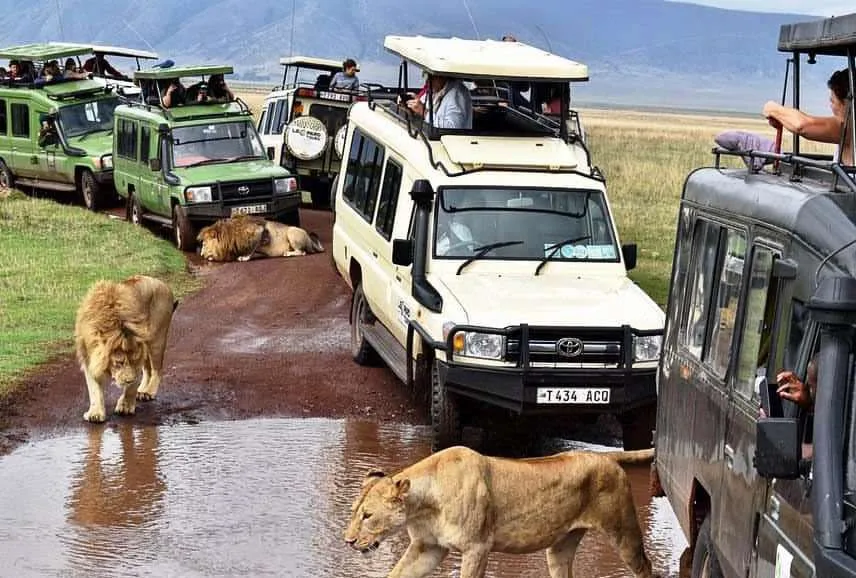
The Serengeti anchors nearly every serious east africa tour package for good reason. Over 1.5 million wildebeest thunder across its plains in an annual cycle that no engineered spectacle can replicate. Timing is everything — the action shifts from the southern Serengeti (January–March) to the dramatic Mara River crossings (July–October).
The Serengeti doesn’t reward passive visitors — it rewards those who stay longer and move smarter.
Beyond the migration, the park delivers year-round predator sightings, from cheetahs on kopjes to lion prides at dawn. Next, another natural bowl holds its own cast of characters entirely.
2. Ngorongoro Crater: Wildlife in a Bowl 🦓
Ngorongoro Crater delivers something extraordinary — a self-contained ecosystem where roughly 25,000 large animals roam a 100-square-mile volcanic caldera. Any experienced east africa tour operator will tell you it’s unmissable. Unlike the Serengeti’s open plains, wildlife here stays naturally concentrated, making sightings almost guaranteed year-round. Next, Tanzania’s elephant paradise at Tarangire awaits.
3. Tarangire National Park: Elephant Kingdom 🐘
After the Crater’s concentrated drama, Tarangire offers a wilder, less-crowded contrast — where massive elephant herds of 300+ roam ancient baobab landscapes unlike anywhere else in Tanzania’s northern circuit.
4. Lake Manyara: Tree-Climbing Lions & Pink Flamingos 🦩
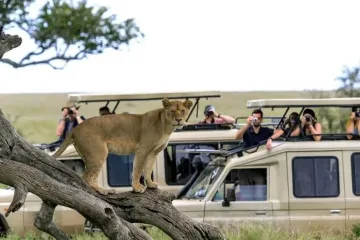
Sandwiched between the Rift Valley escarpment and its shimmering alkaline lake, Lake Manyara National Park punches well above its size. Its signature attraction — lions lounging in acacia branches — remains one of Africa’s most photographed wildlife behaviors. Thousands of pink flamingos carpet the shoreline, creating a scene that’s almost surreal. It’s compact, affordable, and unforgettable — a perfect half-day stop before encountering the Maasai communities waiting just beyond the park gates.
5. Maasai Culture Experience: Real Human Connection 🛖
Beyond the wildlife corridors explored in previous sections, Maasai village visits deliver something no game drive can — authentic human storytelling. Warrior ceremonies, beadwork traditions, and communal jumping dances (adumu) reveal a civilization thriving alongside Africa’s wildest landscapes. Arusha, your next stop, serves as the perfect base to arrange these encounters.
6. Arusha: The Safari Gateway 🌄
Every great Tanzania adventure flows through Arusha — the bustling hub where Serengeti dreams become reality. Positioned near Mount Meru and just hours from the parks covered earlier, Arusha rewards an extra night before you trade dust for ocean breeze.
7. Zanzibar: From Safari to Sea 🌴🌊
After the red dust of the Serengeti and Arusha’s energy, Zanzibar delivers the perfect counterbalance — turquoise water, white sand, and zero wildlife deadlines.
Stone Town’s UNESCO-listed labyrinth of spice-scented alleyways transitions seamlessly into beach bliss along the island’s northern and eastern shores. It’s a natural safari extension that rewards the whole traveler.
Smart planning here makes all the difference, which the next section covers in full.
Safari Planning Tips ✅
Pulling together everything from Arusha’s logistics to Zanzibar’s beach finale, smart planning separates a good trip from an unforgettable one. Booking 6–12 months ahead secures the best camps and peak-season availability.
Why Choose a Safari in Africa with Us? 🌟
Expert curation transforms a good trip into a legendary one. With every logistical detail — from Arusha arrivals to Zanzibar sunsets — handled seamlessly, you’re free to simply experience it all. Ready to meet Day 1?
Day 1: Arrival – Arusha
Touch down at Kilimanjaro International Airport and Arusha becomes your launchpad — a vibrant gateway city where Tanzania’s safari circuit truly begins. Settle in, rest well, and prepare for Tarangire’s legendary elephant herds tomorrow.
Day 2: Tarangire National Park Safari
From Arusha, the road south leads to Tarangire National Park — a vastly underrated gem where elephant herds numbering in the hundreds roam ancient baobab-studded plains. Tomorrow, the iconic Ngorongoro Crater awaits.
Day 3: Ngorongoro Crater & Drive to Serengeti
After Tarangire’s elephant herds, Day 3 delivers one of Africa’s most dramatic landscapes. Ngorongoro Crater — a UNESCO World Heritage Site — shelters roughly 25,000 animals within its 100-square-mile caldera floor, making wildlife sightings remarkably concentrated.
Descend into the crater early for the best game viewing, then begin the legendary drive northwest toward the Serengeti plains — anticipation building with every mile.
Day 4: Full Day in Serengeti National Park
A full day in the Serengeti is where the itinerary truly delivers. With no transfers, every hour belongs to the wildlife — dawn game drives, midday predator sightings, and golden-hour pursuits across the endless plains.
Day 5: Game Drive & Return to Karatu
A final Serengeti dawn drive captures the magic one last time before the long return journey south. Early light rewards patience — predator activity peaks in these quiet morning hours before the drive back toward Karatu begins.
Day 6: Lake Manyara Safari & Maasai Boma Visit
After the long Serengeti return, Lake Manyara National Park offers a gentler, richly rewarding finale. The park’s dense groundwater forest shelters tree-climbing lions — a rare behavior found in very few locations worldwide. A Maasai Boma cultural visit rounds out the day beautifully, grounding the wildlife experience in living human tradition. Day 7 brings the journey full circle toward departure.
Day 7: Departure
A final Arusha breakfast closes the loop on an extraordinary week. Most operators arrange Kilimanjaro International Airport (JRO) transfers timed to afternoon international departures — leaving a relaxed morning for last-minute curio shopping or reflection.
Departing travelers should confirm transfer timing 24 hours in advance, as road conditions between Karatu and Arusha can add unexpected delays. What typically happens is a 3–4 hour buffer proves wise.
Those early flights worth considering? Overnight connections via Nairobi’s Jomo Kenyatta International Airport remain the most common routing home. Real traveler experiences tend to shape the strongest itinerary decisions — and that’s exactly what the next section explores.
Tour Reviews
Completing this 7-day journey leaves travelers with experiences that speak for themselves. Authentic feedback from past guests consistently highlights the Serengeti game drives, Lake Manyara’s tree-climbing lions, and Maasai cultural encounters as standout moments worth every dollar invested.
Leave a Review
Authentic traveler feedback shapes every future safari experience. Share your story — your honest impressions help fellow adventurers plan their perfect East Africa itinerary and discover the epic moments that matter most.
You May Also Like
Readers who found this East Africa itinerary valuable often explore broader safari planning resources next. East Africa Itineraries – Horizon Guides offers excellent route inspiration for every travel style.
African Safari Vacations
African safari vacations transform a simple trip into a life-defining adventure. From Kenya’s Masai Mara to Tanzania’s Serengeti, East Africa delivers wildlife encounters that no other destination can match — setting the stage perfectly for exploring curated African Safari Tours.
African Safari Tours
African safari tours range from budget group expeditions to fully customized private journeys, each offering a distinct way to experience East Africa’s wildlife-rich landscapes.
Choosing the right tour style shapes everything — from pacing to access.
Best African Safari Tours
Best African safari tours combine expert guiding, strategic park access, and seamless logistics into one powerful experience. Whether choosing a classic Great Migration circuit or a more immersive cultural route, the right tour structure defines everything. As itineraries grow more personalized, the smartest travelers are already exploring how tailored packages unlock even deeper adventures.
Packages Tailored Itineraries
Tailored safari packages transform a standard trip into a precisely matched journey. Bespoke East Africa itineraries align park timing, accommodation tiers, and activity pace with individual priorities — a level of customization that pre-built packages simply can’t replicate.
The next section explores exactly how these itineraries are structured from the ground up.
Best African Safari Tours Packages Tailored Itineraries
Tailored safari packages deliver precisely what generic tours cannot — flexibility built around your pace, priorities, and wildlife interests. Extraordinary Journeys crafts itineraries blending cultural depth with prime game viewing, setting the stage for a true wildlife adventure.
A Wildlife Adventure
East Africa’s landscapes don’t just host wildlife — they define it. Every tailored itinerary ultimately leads here: raw, unscripted encounters that no package can fully predict.
African Safari: A Wildlife Adventure
East Africa’s safari circuit rewards those who venture beyond the obvious. From the Serengeti’s sweeping plains to Kenya’s lesser-known conservancies, every landscape offers something genuinely unscripted — and that’s precisely what makes it unforgettable.
African Safaris
East Africa’s safari landscape is as diverse as the wildlife it shelters — from Tanzania’s iconic plains to Kenya’s private conservancies, every destination offers something distinct. Choosing the right combination transforms a good trip into an unforgettable one, setting the stage for the deeper adventure travel strategies ahead.
African Safaris Adventure Travel
Adventure-driven travelers find East Africa delivers far beyond standard game drives — think walking safaris, canoe expeditions, and fly-camping under star-filled skies. Oasis Overland’s updated East Africa itinerary highlights how overland routes unlock remote ecosystems that vehicle-only circuits simply can’t reach. The most rewarding safaris blend wildlife immersion with genuine physical engagement. For those ready to elevate the experience further, luxury operators are redefining what adventure looks like in 2026–2027.
Luxury African Safari Tours Vacations 2026-2027
Premium safari travel for 2026–2027 is trending toward intimate, high-touch experiences — private conservancies, exclusive-use camps, and customized itineraries built around personal interests rather than standard circuits. Elevated comfort doesn’t mean sacrificing authenticity; the finest safari vacations blend genuine wilderness immersion with world-class hospitality. As demand grows, booking 12–18 months ahead secures preferred dates and premier camps. Of course, whenever luxury and remote wilderness intersect, knowing how to stay safe becomes equally essential.
How Can I Ensure My Safety While on an African Safari?
Following reputable operator guidance is your strongest safety layer. Always stay inside vehicles during game drives, follow ranger instructions without exception, and maintain respectful distances from wildlife.
Smart preparation before departure matters just as much — consult your physician about recommended vaccinations and antimalarial protocols well in advance of travel.
When you’re ready for the next layer of preparation, what you pack will make or break your comfort on the ground.
What Should I Pack for a Week-Long African Safari Trip?
Smart packing directly impacts your comfort and safety in the bush. Prioritize neutral-colored, lightweight layers — mornings on the savanna can be surprisingly cold, while afternoons demand breathable fabrics.
Essential items include:
- Clothing: Khaki, tan, or olive tones; avoid blue (attracts tsetse flies)
- Sun protection: SPF 50+ sunscreen, wide-brim hat, UV-blocking sunglasses
- Gear: Binoculars, dust-proof camera bag, power bank
- Health: Prescribed antimalarials, insect repellent with DEET, hand sanitizer
A common pattern is overpacking clothes and underpacking gear — quality optics matter far more than outfit variety on any seven-day East Africa itinerary.
Budget and destination shape your list too — a consideration that naturally leads into which countries deliver the most value for your dollar.
Which African Countries Offer the Most Budget-Friendly Safari Experiences?
Tanzania and Kenya dominate East Africa itineraries, yet Uganda and Rwanda consistently offer strong value — especially for primate trekking. Ethiopia and Zambia round out budget-conscious options worth considering before you decide how to explore the region.
How Do I Choose Between a Guided Safari Tour and a Self-Drive Safari?
Guided tours suit first-time visitors who want expert tracking, logistics handled, and guaranteed wildlife finds. Self-drive works best for experienced travelers comfortable navigating remote terrain independently. Your comfort level — not cost — should drive the decision.
What Vaccinations Are Recommended Before Going on an African Safari?
Yellow fever, hepatitis A, and typhoid are standard pre-safari vaccinations. Malaria prophylaxis is equally critical across East Africa. Consult a travel health clinic at least 6–8 weeks before departure — timing matters as much as the vaccines themselves. Choosing the right operator comes next.
What Are Some Ethical Considerations When Selecting an African Safari Operator?
Responsible operators prioritize conservation fees, community benefit, and low-impact practices. Look for certifications, transparent pricing, and genuine local employment — factors that directly shape wildlife futures and your experience alike, setting the stage for actually spotting those iconic Big Five.
How Can I Maximize My Chances of Seeing the Big Five on an African Safari?
Timing, positioning, and patience are the three pillars of Big Five success. Book game drives at dawn and dusk when lions, leopards, and elephants are most active. An experienced guide who reads tracks and behavior dramatically improves sightings.
For the best odds, prioritize reserves with high Big Five density — the Serengeti and Maasai Mara consistently deliver results. As you plan deeper, bespoke itinerary design becomes the real game-changer.
Bespoke Luxury African Safaris Tours
Tailored itineraries transform a good safari into an unforgettable one. Rather than following fixed group schedules, bespoke luxury tours are designed around your pace, preferences, and priorities — delivering experiences that truly resonate.
African Safari Co Bespoke Luxury African Safaris Tours
Personalized itineraries elevate every East Africa journey from standard to extraordinary. Bespoke luxury safari planning matches destinations, pacing, and experiences precisely to your travel style — setting the stage for discoveries like Johannesburg’s layered cultural heritage waiting just beyond the bush.
Explore Johannesburg’s Historic Sites and Cultural Heritage
Johannesburg anchors many southern-to-east Africa routing decisions, offering Apartheid Museum visits, Soweto township tours, and vibrant street art scenes that reward curious travelers before heading further north into wildlife territory.
Timing your departure from Jo’burg sets the tone for everything ahead — including which wildlife spectacles await at your next destination.
What Are the Best Months to Go on an African Safari for Wildlife Viewing?
Timing shapes everything. The dry season — generally June through October — delivers the most reliable wildlife sightings across East Africa, as thinning vegetation and scarce water sources concentrate animals near rivers and watering holes. Planning around peak wildlife windows ensures your bespoke itinerary delivers maximum return. As the next section explores, knowing when to go pairs directly with knowing how to stay safe once you’re there.
How Can I Ensure My Safety While on an African Safari?
Following your guide’s instructions is the single most effective safety measure on any safari. Stay inside the vehicle during game drives, maintain quiet near wildlife, and never underestimate animal unpredictability — even seemingly calm species.
With those fundamentals in place, you’re well-positioned to focus on what’s next: what to actually bring.
What Should I Pack for a Week-Long African Safari Trip?
Neutral tones dominate a smart packing list. Khaki, olive, and beige clothing blends into the bush, keeps you cool, and avoids attracting insects. Layers matter — mornings on the savanna can be surprisingly cold before midday heat arrives.
Core essentials:
- Lightweight, long-sleeved shirts and convertible pants
- Wide-brim hat and quality sunglasses
- High-SPF sunscreen and insect repellent
- Binoculars and a dust-proof camera bag
Your operator’s choice ultimately shapes how much you pack — and which operator you choose shapes far more than luggage limits.
What Are Some Ethical Considerations When Selecting an African Safari Operator?
Choosing an ethical operator is as important as choosing the right destination. Prioritize operators that employ local guides, reinvest in surrounding communities, and follow low-impact wildlife protocols. Conservation-conscious operators limit vehicle numbers at sightings and avoid off-road driving.
Look for transparent sustainability commitments — not just marketing language. Beyond booking, you’ll also want clarity on exactly what’s covered in your package price.
❌ Not Included in Your Safari Package
Standard packages routinely exclude costs that catch travelers off guard. Park fees, gratuities, laundry, and premium beverages typically fall outside your base price — budget an additional $150–$300 per person, per day to cover these comfortably.
As you build out your day-by-day itinerary, knowing these gaps upfront keeps every stop stress-free.
Itinerary
Your 7-day East Africa adventure begins the moment you land. The days ahead move from city arrivals through wilderness corridors, building toward unforgettable wildlife encounters at every turn.
Day 1: Arrival – Arusha
Arusha is your gateway to everything that follows. After landing at Kilimanjaro International Airport, a short transfer delivers you to your lodge. Use this evening to rest, rehydrate, and prepare — tomorrow’s wilderness adventure begins at Tarangire.
Day 2: Tarangire National Park Safari
Tarangire delivers your first full wilderness immersion. Famous for massive elephant herds and ancient baobab trees, this underrated park rewards early risers. Game drives here set the tempo for everything ahead — tomorrow, the crater awaits.
Day 3: Ngorongoro Crater & Drive to Serengeti
Ngorongoro Crater is the undisputed highlight of Day 3. Descend into this ancient volcanic caldera — home to roughly 25,000 animals — before an afternoon drive toward the Serengeti’s boundless plains. Tomorrow’s full day out there awaits.
Day 4: Full Day in Serengeti National Park
A full day here is the itinerary’s centerpiece. Multiple game drives across the endless plains maximize wildlife sightings — predator activity peaks at dawn. By afternoon, you’re perfectly positioned for tomorrow’s early departure toward Karatu.
Day 5: Game Drive & Return to Karatu
A final early morning game drive through the Serengeti captures predator activity at its peak before the midday heat. Then it’s a scenic drive back toward Karatu — a gentle transition that sets the stage perfectly for Day 6’s Lake Manyara experience.
Day 6: Lake Manyara Safari & Maasai Boma Visit
After the Serengeti’s sweeping plains, Lake Manyara National Park offers a striking contrast — dense groundwater forest, alkaline flats, and famously tree-climbing lions. A morning game drive here rounds out the safari experience beautifully before an authentic Maasai boma visit adds genuine cultural depth. Tomorrow’s departure makes this final evening one worth savoring.
Day 7: Departure
A bittersweet final morning — savoring one last Tanzanian sunrise before transferring to Kilimanjaro or Arusha airport. Early checkout is standard, so pack the night before to avoid rushing your farewell.
Location
Tanzania’s northern safari circuit — anchored by Arusha — serves as the gateway to this entire itinerary, placing you within striking distance of the Serengeti, Ngorongoro, and Lake Manyara. Before the memories fade, capturing them visually becomes the next essential priority.
Photos
The northern circuit delivers extraordinary photography at every turn — from golden-hour silhouettes on the Serengeti plains to close-up leopard encounters in Ngorongoro. A telephoto lens (200–400mm) is essential. When you’re ready to experience these moments firsthand, booking the right tour makes all the difference.
Book the Tour
With your photography game planned and logistics mapped, the next step is committing to a booking. Secure your safari dates early — peak-season slots fill months in advance. Trusted platforms like Go2Africa connect travelers with vetted operators for a seamless reservation process. Real traveler feedback shapes every strong decision — which is exactly what the next section covers.
Tour Reviews
Traveler reviews are your final checkpoint before booking. Scan verified feedback on operator responsiveness, guide expertise, and vehicle quality — then plan to share your own experience once you return.
Leave a Review
Once your East Africa adventure wraps, sharing honest feedback helps future travelers make smarter booking decisions. A detailed review — covering guide quality, wildlife sightings, and logistics — builds the community knowledge every safari planner relies on.
Cancel Reply
Your voice shapes the community. Thoughtful engagement in the comments keeps the conversation going — whether you’re asking about permit logistics or sharing a game drive tip that surprised you. More adventures await just ahead.
You May Also Like
Curated picks keep the momentum going after exploring East Africa’s secrets. If this itinerary sparked your travel instincts, the next step is finding an experience perfectly matched to your style — and that’s exactly where the following recommendations come in.
Joining Africa Safari: 4 Epic Escapes You’ll Love
Curated safari routes reward every type of traveler — from first-timers to seasoned explorers craving something deeper. The right escape transforms a trip into a defining life chapter, setting the stage perfectly for the wild escapes ahead.
Safari of Africa: 5 Unmissable Wild Escapes
Wild escapes define East Africa’s enduring appeal — each reserve delivering something genuinely unrepeatable. From predator-rich plains to remote forest sanctuaries, the continent’s best safari zones reward travelers who choose deliberately. The next section maps out exactly which tours deliver that experience.
Travel to East Africa: 7 Best Epic Tours
Curated tour routes transform the continent’s complexity into something beautifully manageable. From the Serengeti to Zanzibar’s coastline, each itinerary unlocks a distinct layer of East Africa’s character — making every departure feel like the beginning of something unforgettable.
Your Cart is Empty
Ready to move from browsing to booking? Adding your chosen East Africa itinerary is the natural next step — community travel forums can help you finalize the details before you commit.
Rick Steves Travel Forum
Community travel forums remain a trusted planning resource — seasoned travelers share real-world East Africa logistics, visa tips, and packing lessons that no brochure covers. These peer insights sharpen your itinerary before you commit.
Of Rwanda & Kenya
Combining Rwanda and Kenya creates one of East Africa’s most compelling dual-country experiences — mountain gorillas meet the Maasai Mara in a single, seamless trip.
Best of Rwanda & Kenya
Gorillas and big cats in one trip — this pairing delivers East Africa’s most dramatic wildlife contrast. Volcanoes National Park and the Maasai Mara together represent an unforgettable back-to-back experience that rewards every travel dollar spent. How many days you’ll actually need, though, deserves careful consideration.
How Many Days in East Africa?
Ten days is the practical minimum for a meaningful East Africa trip — enough time to experience one or two countries without feeling rushed. Three weeks unlocks the full circuit.
Is It Better To Go to Tanzania or Kenya?
Neither wins outright — the choice depends entirely on your priorities. Kenya excels for accessibility and the Mara’s iconic predator density; Tanzania delivers Serengeti’s sheer scale and Ngorongoro’s unmatched crater wildlife. Both reward the traveler who plans deliberately.
What I Wish I Knew Before Safari?
Dust, delays, and early mornings define the reality. Game drives typically start at 6 a.m. — pack layers, because savanna temperatures swing sharply before noon.
One practical tip most travelers learn late: book a private vehicle rather than sharing. The flexibility to stay longer at a lion kill is genuinely priceless.
Real talk — community forums reveal the same regrets repeatedly, and those shared lessons are worth exploring next.
How to Plan an East Africa Tour: Community Insights
Reddit’s r/travel threads consistently highlight one core truth: structured flexibility separates memorable East Africa trips from stressful ones. Plan anchor experiences firmly, then leave buffer days loose.
Is a 5–7 Day African Safari Actually Enough, or Does It Feel Rushed?
Five to seven days delivers a genuine safari experience — not a compromise. Most first-timers find that focused game drives across three or four nights leave them deeply satisfied, not shortchanged.
In practice, a well-structured week allows meaningful wildlife encounters without overpacking logistics. If anything, it sharpens anticipation for what a second trip could offer — a natural lead-in to planning that perfect one-week itinerary.
Can You Suggest the Best Itinerary for a One-Week Visit?
Seven days works best when anchored around one or two core destinations. Pair the Serengeti with Ngorongoro Crater, or combine Amboseli with the Maasai Mara for a focused, high-impact week. If two countries appeal to you, that’s exactly where the next section picks up.
Which 2 African Countries Should I Visit in 2 Weeks Without Feeling Rushed?
Kenya and Tanzania remain the strongest two-country pairing for a 14-day trip. Split your time evenly — roughly seven days per country — and transitions stay smooth without sacrificing depth.
This combination naturally sets the stage for exploring Tanzania’s specific circuit in greater detail next.
What Is a Reasonable Tanzania Safari Itinerary?
Seven to ten days covers Tanzania’s essentials without rushing. Anchor three nights in the Serengeti, two in Ngorongoro, and add Tarangire for elephant-dense landscapes — a structure that balances wildlife density with genuine immersion.
Oasis Overland
Group overland tours offer a structured, budget-conscious way to cover multiple East African countries. Oasis Overland runs multi-week routes connecting Kenya, Tanzania, and beyond — ideal for solo travelers who prefer shared logistics over private arrangements.
Plan a 2-Week Multi-Country Trip
Two weeks unlocks Kenya, Tanzania, and Uganda in one sweep. A practical split: four nights Kenya, six nights Tanzania, four nights Uganda. Build buffer days around border crossings — delays happen. That natural flow sets up Uganda’s Murchison Falls perfectly next.
Uganda: 3 Days, 2 Nights Murchison Falls + 1 Night Kampala + Day Trip to Jinja
Murchison Falls anchors Uganda’s wildlife credentials — pair two nights there with one night in Kampala and a Jinja day trip for a punchy, well-rounded finish. How many total days your East Africa adventure needs, though, is worth examining closely next.
How Many Days in East Africa?
Ten days is the practical minimum; two weeks is the sweet spot. As covered above, a 14-day split across Kenya, Tanzania, and Uganda delivers genuine depth without exhausting your vacation days.
What I Wish I Knew Before Safari?
Pack fewer clothes than you think — dusty game drives ruin light fabrics fast. More importantly, three nights minimum per park makes a genuine difference in wildlife sightings. Short stays often leave travelers wishing they’d stayed longer — a feeling the next section addresses directly.
Is a 5–7 Day African Safari Actually Enough, or Does It Feel Rushed?
Five to seven days delivers a genuine safari experience — but “rushed” depends entirely on how those days are structured. A tightly planned week with minimal park-hopping feels far more rewarding than a scattered 10-day trip. If one week is all you have, a focused single-destination approach wins every time.
Can You Suggest the Best Itinerary for a One-Week Visit?
A classic one-week structure: Nairobi arrival → Amboseli (2 nights) → Masai Mara (3 nights) → Nairobi departure. This framework balances iconic landscapes, big-cat sightings, and manageable travel distances — no day feels wasted.
That regional flexibility is exactly what makes East Africa’s specific destinations worth examining more closely next.
How Many Days Should I Spend on a Safari in East Africa?
Ten to fourteen days is the sweet spot most seasoned travelers recommend. Fewer than seven feels compressed; beyond two weeks, fatigue sets in. That range lets you explore multiple ecosystems without sacrificing depth — and Tanzania’s legendary parks deserve their own dedicated chapter next.
What Is a Reasonable Tanzania Safari Itinerary?
Serengeti, Ngorongoro, and Tarangire form the essential Tanzania triangle. A solid framework: seven to ten days, anchoring three nights in the Serengeti, two in Ngorongoro, and two in Tarangire — delivering genuine wildlife depth without exhaustion.
The best East Africa itinerary rewards patience over mileage. Plan deliberately, travel slowly, and every horizon exceeds expectation.
Key Takeaways
- Clothing: Khaki, tan, or olive tones; avoid blue (attracts tsetse flies)
- Sun protection: SPF 50+ sunscreen, wide-brim hat, UV-blocking sunglasses
- Gear: Binoculars, dust-proof camera bag, power bank
- Health: Prescribed antimalarials, insect repellent with DEET, hand sanitizer
- Lightweight, long-sleeved shirts and convertible pants
📞 Call/WhatsApp: +255 784 411 852
🔗 Visit Us: East Africa Travel Company
| Destination | Tarangire, Ngorongoro, Lake Manyara, Serengeti |
| Arrival | Kilimanjaro International Airport (JRO) |
| Departure Time | Yes Require |
| Included | ✅ Included in Your Safari Package (All Prices Include VAT)
|
| Excluded |
❌ Not Included in Your Safari Package
|
| Tanzania in Safari | |
Day 1: Arrival – Arusha
Arrive at Kilimanjaro/Arusha Airport. Meet and greet by your safari guide followed by a private transfer to your hotel. Rest and prepare for the upcoming safari.
🏨 Accommodation: A1 Hotel, Arusha
Day 2: Tarangire National Park Safari
Head out early for a full-day game drive in Tarangire National Park, known for elephants and ancient baobabs. Enjoy your lunch in the park.
🎟️ Included: Park fee, lunch box
🏨 Accommodation: Bougainvillea Group Lodge, Karatu
Day 3: Ngorongoro Crater & Drive to Serengeti
Morning descent into Ngorongoro Crater for an unforgettable wildlife experience. After lunch, drive through the Ngorongoro Conservation Area into the Serengeti, with game viewing en route.
🎟️ Included: Ngorongoro Park fee, crater fee, Serengeti conservation fee, Serengeti park fee
🚐 Transit: Ngorongoro to Serengeti
🏨 Accommodation: Serengeti Tented Camp
Day 4: Full Day in Serengeti National Park
Spend a full day on safari in the Serengeti, exploring the central plains rich in big cats, herds of wildebeest, and stunning landscapes.
🎟️ Included: Serengeti park fee, conservation fee
🏨 Accommodation: Serengeti Tented Camp
Day 5: Game Drive & Return to Karatu
Early morning game drive in the Serengeti before beginning the journey back to Karatu via the Ngorongoro highlands.
🚐 Transit: Serengeti to Karatu
🏨 Accommodation: Bougainvillea Group Lodge, Karatu
Day 6: Lake Manyara Safari & Maasai Boma Visit
Game drive in Lake Manyara National Park, famous for its birdlife and tree-climbing lions. In the afternoon, visit a traditional Maasai Boma.
🎟️ Included: Park fee, Maasai Boma visit
🏨 Accommodation: A1 Hotel, Arusha
Day 7: Departure
Enjoy the scenic views during your transfer to the airport for your international departure.
End of services.
Serengeti National Park:

Tour Reviews
There are no reviews yet.
Leave a Review