Kilimanjaro climb marangu route: Secure your 6-day trek today! Experience the ultimate comfort of huts and a proven high success rate to the peak.
Standing at 19,341 feet, Kilimanjaro demands respect — and the right strategy. The Marangu route earns its nickname “Coca-Cola Route” for its relative accessibility, yet reaching Uhuru Peak still challenges even experienced trekkers. These six proven tips can be the difference between summit success and an early descent.
Ready to start with the iconic Marangu trek? Let’s go.
🏔️ Kilimanjaro Africa 6 Epic Days Marangu Trek
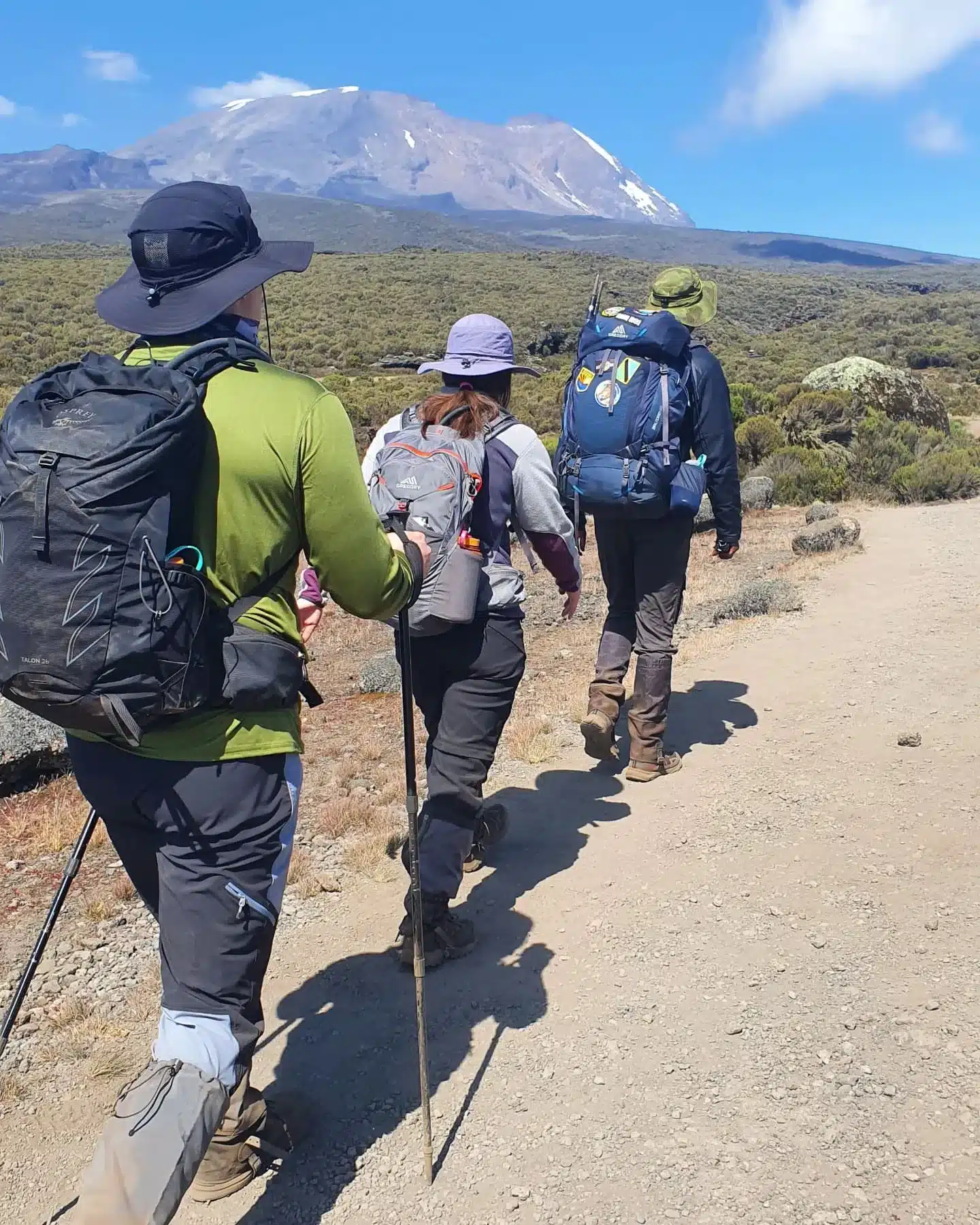
The Kilimanjaro Marangu route spans six days of progressive ascent through rainforest, moorland, and arctic summit terrain — giving climbers the best acclimatization window available on this path.
🏔️ Park Fees – 6-Day Marangu Route (2026)
Despite its reputation as the Coca-Cola Route climbers consider most accessible, Marangu’s official park fees are substantial — and understanding what’s included shapes your total budget picture significantly.
💰 $873.20 per person
Mount Kilimanjaro Marangu park fees total $873.20 per person for the 6-day route — a fixed TANAPA rate every climber pays regardless of operator.
The next section breaks down exactly where every dollar goes.
📊 Park Fee Breakdown (6 Days – Marangu Route)
| Fee Category | Cost (USD) |
|---|---|
| Conservation fee (6 days) | $420.00 |
| Camping/hut fee | $180.00 |
| Rescue fee | $20.00 |
| Guide & porter fees | $253.20 |
| Total | $873.20 |
Studying the Marangu route map reveals why each fee tier exists — different elevation zones carry distinct operational costs. These figures represent the fixed TANAPA floor every climber pays. Total tour package pricing builds considerably on top of this baseline, as the next section covers in full.
🎒 Total Tour Package Prices (2026)
Beyond the fixed TANAPA fees outlined above, operators bundle guide wages, accommodation, meals, and transfers into full packages. Starting from Marangu Gate Kilimanjaro, a reputable 6-day guided package typically runs $2,000–$3,500 per person.
Standard inclusions typically cover:
- Airport transfers and gate transportation
- Hut accommodation and all meals on the mountain
- Licensed guides, cooks, and porters
- Equipment allowances and safety briefings
Not all packages are equal — cheaper options often cut porter wages or skimp on safety gear. A well-priced package protects both your summit success and the crew supporting you.
Some operators also offer rates adjusted for resident climbers or youth climbers — a topic covered in detail next.
👨👩👧 Discounted Rates (Excluding 18% VAT)
Tanzanian citizens and East African Community residents qualify for significantly reduced TANAPA park fees on the Marangu route Kilimanjaro — often 80–90% lower than international rates.
🔥 Why the Marangu Route Is a Fan Favorite
The Marangu Kilimanjaro route earns its reputation through one standout perk: permanent hut accommodation at every camp, eliminating the need to carry or pitch a tent at altitude.
Consistent infrastructure makes this route uniquely accessible — a practical advantage that draws first-time climbers and budget-conscious trekkers alike. Those highlights deserve a closer look.
🌟 6 Epic Highlights of the Marangu Route
From the buzz at Marangu gate to summit triumph, this route delivers six unforgettable advantages — starting with sheltered hut accommodation, which sets the stage perfectly for the next section.
🛌 Cozy Huts, Not Tents
Sleeping in sturdy mountain huts rather than tents is the defining comfort advantage here. While the Marangu route success rate benefits from proper rest, dry shelter genuinely helps trekkers recover overnight — setting up the next day’s biodiversity-rich trail ahead.
🌿 Rich Biodiversity
Beyond the comfort of Marangu route huts Kilimanjaro trekkers shelter in each night, the trail itself rewards with remarkable ecological diversity. You’ll pass through lush rainforest, moorland, and alpine desert — distinct zones unfolding with every upward step.
🏞️ Changing Landscapes Every Day
Each day on the trail delivers a dramatically different ecosystem — from dense rainforest to alpine desert. This visual variety keeps trekkers motivated, and when factoring Marangu route cost Kilimanjaro against the experience, the daily landscape transformation adds genuine value. The route’s scenic progression naturally builds toward the summit approach ahead.
🧭 Direct Summit Approach
The Marangu route follows a straightforward, direct path to Uhuru Peak — an advantage worth noting when weighing the Marangu route vs Machame route decision. Its linear layout means less navigational complexity and consistent daily progress toward the summit. That directness suits trekkers who value clarity over variety — and it also makes this route an accessible starting point for groups with mixed experience levels.
👨👩👧👦 Perfect for Groups & Families
The Marangu route’s structured hut system and predictable daily distances make it an ideal choice for groups and families tackling Kilimanjaro together. Shared dormitory-style accommodations naturally keep everyone in the same space — no scattered campsites to coordinate. That simplicity matters when summit night approaches.
🌅 Summit at Sunrise
Reaching Uhuru Peak as the sun breaks the horizon is one of trekking’s most iconic moments. The Marangu route’s midnight summit push is timed precisely so climbers arrive at 19,341 feet bathed in golden light — a reward that makes every tough step worthwhile.
Ready to plan exactly how that summit day unfolds? The full 6-day itinerary breaks it all down.
📅 6-Day Marangu Trek Itinerary
The 6-day Marangu itinerary adds a critical acclimatization day at Horombo Hut, boosting summit success rates meaningfully over the standard 5-day version.
Day-by-day breakdown:
- Day 1: Marangu Gate → Mandara Hut (9,000 ft)
- Day 2: Mandara → Horombo Hut (12,200 ft)
- Day 3: Rest/acclimatization at Horombo
- Day 4: Horombo → Kibo Hut (15,430 ft)
- Day 5: Midnight summit push → Uhuru Peak → descend to Horombo
- Day 6: Horombo → Marangu Gate, exit
That extra rest day is what separates prepared climbers from struggling ones. Understanding each stage sets the foundation for appreciating what truly makes Kilimanjaro such a remarkable African landmark.
🔍 What Makes Kilimanjaro Africa So Special?
Kilimanjaro isn’t just Africa’s highest peak — it’s the world’s tallest free-standing mountain, rising dramatically from Tanzania’s plains to 19,341 feet. That sheer, solitary grandeur makes every summit attempt genuinely unforgettable.
Ready to maximize your chances? The pro tips ahead will sharpen your strategy significantly.
✅ Pro Tips for Climbing Mt Kilimanjaro in Tanzania
Preparation separates summiteers from those who turn back. Acclimatize before arrival, stay hydrated, and pace yourself — pole pole (slowly, slowly) is the golden rule on every Kilimanjaro trail.
As you’ll discover in the fun facts ahead, this mountain holds more surprises than most climbers expect.
🤓 Fun Facts About Kilimanjaro
Kilimanjaro is a dormant stratovolcano — not a single peak, but three volcanic cones. Its summit, Uhuru Peak, sits at exactly 19,341 feet. The mountain spans five distinct climate zones, from tropical rainforest to arctic summit.
📌 Why the Marangu Route is Ideal for the Tanzania Northern Circuit
The Marangu Route’s well-established infrastructure makes it a natural gateway into Tanzania’s northern trekking landscape. Permanent hut accommodations and a clear, gradual ascent profile keep logistics streamlined — essential preparation before tackling what’s in your pack.
🎒 Packing Essentials for Your 6-Day Trek
Layering is non-negotiable on Kilimanjaro — temperatures swing from tropical warmth at the gate to well below freezing at Uhuru Peak. Pack a moisture-wicking base layer, insulating mid-layer, and a waterproof shell.
Smart packing sets every summit attempt up for success.
📣 Ready to Climb Kilimanjaro Africa?
The Marangu Route rewards preparation. With your gear packed and knowledge locked in, the trail awaits — starting at the gate and climbing toward one of Africa’s most iconic summits.
08:00–17:00: Marangu Gate to Mandara Hut
Day one begins at the Marangu Gate (5,380 ft / 1,640 m), where park fees are processed before the trail enters dense rainforest. The 5-mile trek to Mandara Hut takes roughly 3–4 hours — manageable, but tomorrow’s longer push to Horombo demands you conserve energy now.
08:00–16:00: Mandara Hut to Horombo Hut
Day two pushes climbers from 8,858 ft to 12,205 ft — a significant altitude jump across roughly 9 miles of steadily thinning forest. The rainforest gradually gives way to open moorland, where giant heather and groundsel create an almost surreal landscape.
Pole pole (slowly, slowly) matters most on this stretch. Tomorrow’s acclimatization day at Horombo Hut will help your body adjust to what today demands.
08:00–15:00: Acclimatization at Horombo Hut
Horombo Hut’s rest day is arguably the most strategic asset on the Marangu route. At 12,205 ft, climbers allow their bodies to adapt before the demanding push toward Kibo Hut awaits tomorrow.
07:00–15:00: Horombo Hut to Kibo Hut
Following the strategic rest day, Day four covers roughly 9 miles to Kibo Hut at 15,430 ft — the last shelter before summit night begins at midnight.
00:00–18:00: Kibo Hut to Uhuru Peak to Horombo Hut
Summit night is the ultimate test — departing Kibo Hut at midnight, climbers push through freezing temperatures to reach Uhuru Peak at 19,341 ft before descending all the way to Horombo Hut by day’s end.
07:00–14:00: Horombo Hut to Marangu Gate to Moshi
The final descent covers roughly 20 miles back to Marangu Gate, closing the loop on an extraordinary journey. Tired legs carry climbers downhill through rainforest to certificate collection — and onward to Moshi for a well-earned celebration.
Tour Reviews
Completing the Marangu Route is an achievement worth sharing. Honest climber feedback shapes every future expedition — your experience on the trail matters beyond the summit photo.
Leave a Review
Your feedback fuels the next climber’s confidence — share your honest experience with the Marangu Route and help others prepare smarter for their summit bid.
You May Also Like
Ready to take the next step? Explore related Kilimanjaro route guides and gear checklists to sharpen your preparation before adding this climb to your cart.
Your Cart is Empty
Ready to move beyond browsing? Booking your Marangu Route climb is the real first step toward Uhuru Peak — explore available trekking packages to get started.
Mt Kilimanjaro Trekking
Mt Kilimanjaro trekking transforms ambitious dreamers into summit achievers. The Marangu Route remains the most accessible starting point — structured, guided, and rewarding for those ready to commit fully.
Marangu Route 6 Days Mount Kilimanjaro Climb
The 6-day Marangu Route adds a critical acclimatization day compared to the standard 5-day itinerary — meaningfully improving your summit odds. That extra night at Horombo Hut gives your body time to adjust, making the final push to Uhuru Peak far more manageable.
Timing your climb correctly amplifies every advantage the 6-day schedule offers.
What is the best time of year to hike the Kilimanjaro Marangu Route for optimal weather?
January through March and June through October offer the driest, most summit-friendly conditions on the Marangu Route. Avoid the long rains of April and May whenever possible.
How Many Days Does the Marangu Route Take to Complete, Including Acclimatization?
The Marangu Route typically runs 5 or 6 days, with the 6-day option adding a dedicated acclimatization rest day — the single most impactful upgrade for summit success.
What Type of Clothing and Gear Should I Pack for the Marangu Trek?
Layering is non-negotiable on Kilimanjaro. Pack a moisture-wicking base layer, insulating mid-layer, and a waterproof shell. Sturdy broken-in hiking boots, trekking poles, and a warm sleeping bag liner complete the essentials — conditions shift dramatically between zones.
Are There Any Altitude Sickness Precautions Specific to the Marangu Route?
Acclimatization pressure is real on Marangu. The route’s relatively rapid ascent profile makes pacing and hydration your strongest defenses against altitude sickness.
Drink at least 3–4 liters of water daily and walk slowly — pole pole (Swahili for “slowly, slowly”) isn’t just a saying; it’s survival strategy.
With those precautions in place, understanding the full cost of your guided experience becomes the next critical planning step.
What Is the Cost Range for Guided Tours on the Marangu Route?
Guided Marangu tours typically range from $1,500 to $3,500+, depending on operator quality, group size, and trip duration. Budget operators start lower, but premium packages with experienced guides and better support crews justify higher pricing.
As you plan your budget, the mountain’s diverse ecosystems below the summit offer their own rewards — and the wildlife you’ll encounter along the way is worth anticipating.
What Wildlife Might I Encounter Along the Marangu Route?
The Marangu Route passes through rich ecological zones where wildlife sightings are a genuine bonus. Blue monkeys and colobus monkeys are commonly spotted in the lower rainforest belt, while buffalo and bushbuck occasionally appear on trail edges.
Higher up, wildlife thins naturally — but the journey itself rewards curious eyes.
What Is the Best Time of Year to Hike the Kilimanjaro Marangu Route for Optimal Weather?
January through March and June through October offer the most reliable conditions on the Marangu Route.
How Many Days Does the Marangu Route Take to Complete, Including Acclimatization?
The standard Marangu Route runs five to six days, with six days strongly recommended for better acclimatization and higher summit success rates. That extra day at Horombo Hut makes a measurable difference in how well your body adjusts to altitude.
What Type of Clothing and Gear Should I Pack for the Marangu Trek?
Layering is essential — temperatures swing from tropical heat at the gate to well below freezing near Uhuru Peak.
Pack a moisture-wicking base layer, insulating mid-layer, and waterproof outer shell. Sturdy hiking boots, trekking poles, and a warm sleeping bag rated to 14°F (-10°C) round out your core kit. Fortunately, the Marangu Route’s hut system means no tent is required — a genuine pack-weight advantage over other routes.
Choosing the right gear directly shapes your budget, so understanding guided tour costs becomes the logical next step.
What Is the Cost Range for Guided Tours on the Marangu Route?
Guided Marangu Route tours typically range from $1,500 to $3,500+, depending on operator quality, group size, and days included. Budget operators start lower; premium packages with better guides and gear cost more.
How Can I Physically Prepare for the Kilimanjaro Marangu Trek?
Cardiovascular fitness is your single greatest asset on the Marangu Route. Prioritize hiking, running, or cycling for 8–12 weeks before departure to build the endurance summit day demands.
Are There Any Specific Permits Required to Hike the Marangu Route on Kilimanjaro?
All permits are mandatory — no independent hiking is allowed on Kilimanjaro. Your licensed operator handles every required permit automatically, bundling those fees into your overall package price.
✅ Included (All Prices Include VAT)
All quoted Marangu Route package prices include VAT, so the figure you see is the figure you pay — no surprise charges at checkout.
❌ Not Included
Standard packages exclude several costs worth budgeting for separately: tips for guides and porters, personal travel insurance, gear rentals, and visa fees. Plan accordingly before your trek begins.
08:00–17:00: Marangu Gate to Mandara Hut
Day one begins at the Marangu Gate (6,070 ft / 1,850 m), where registration wraps up before your crew leads you into the rainforest. The roughly 5-mile trek to Mandara Hut (8,858 ft) takes five to seven hours — a manageable warm-up that sets the rhythm for everything ahead.
08:00–16:00: Mandara Hut to Horombo Hut
Day two pushes you from Mandara Hut (8,858 ft) up to Horombo Hut (12,205 ft) — a steady 8-mile climb where the moorland replaces the rainforest canopy. Altitude begins demanding real respect here. Tomorrow’s acclimatization day at Horombo becomes your crucial recovery window.
08:00–15:00: Acclimatization at Horombo Hut
Day three is your body’s reset button. Resting at Horombo Hut (12,205 ft) lets your red blood cell count rise gradually — the cornerstone of any smart summit bid ahead.
07:00–15:00: Horombo Hut to Kibo Hut
After your acclimatization rest, day four moves you from Horombo Hut (12,205 ft) to Kibo Hut (15,520 ft) — the final staging point before summit night begins.
00:00–18:00: Kibo Hut to Uhuru Peak to Horombo Hut
Summit night launches at midnight from Kibo Hut (15,520 ft) — a grueling push to Uhuru Peak (19,341 ft) followed by a full descent back to Horombo. Your longest, hardest day awaits.
07:00–14:00: Horombo Hut to Marangu Gate to Moshi
The final day delivers a satisfying close — a descent from Horombo Hut (12,205 ft) back to Marangu Gate (6,069 ft), where certificates are awarded before the transfer to Moshi.
Tour Reviews
Honest feedback from fellow climbers is one of the most valuable tools when planning your Marangu route attempt. Reading real tour reviews helps you set accurate expectations before that unforgettable midnight push to Uhuru Peak.
Leave a Review
Climbed the Marangu route? Your firsthand experience is invaluable. Sharing honest feedback helps fellow trekkers make smarter decisions — drop your thoughts in the comments below.
Cancel Reply
Already shared your thoughts? Your feedback is saved — no need to resubmit. Feel free to explore more Kilimanjaro planning resources coming up next.
You May Also Like
Ready to push beyond the standard itinerary? The Ultimate Kilimanjaro 5-Day Power Trek breaks down everything ambitious climbers need to know about a faster, more intense ascent.
Ultimate Kilimanjaro: Epic 5-Day Power Trek
For climbers craving intensity, the 5-day power trek condenses the journey without sacrificing ambition. It’s a faster, demanding alternative — perfect before exploring the more immersive 7-day epic experience ahead.
Mount Kilimanjaro in Africa: 7 Epic Days
For climbers who want every advantage, a 7-day Marangu itinerary offers superior acclimatization — and that extra time on the mountain genuinely improves summit odds. If the 5-day power trek demands intensity, seven days rewards patience.
Mount Kilimanjaro in Tanzania: 6 Epic Days
The 6-day Marangu itinerary strikes the ideal balance — more acclimatization time than the 5-day push, without the full commitment of a 7-day ascent. That extra night genuinely improves your summit odds.
Your Cart is Empty
Ready to commit to the Marangu Route? Don’t let hesitation hold you back — every day you wait is a day someone else is already on the trail.
Is It Really That Bad?
The Marangu Route’s “tourist route” reputation is largely overstated. Preparation and pacing matter far more than trail choice — setting up everything discussed next.
The Marangu Route: Is It Really That Bad?
Preparation beats trail selection every time. With the right pacing and acclimatization strategy, the Marangu Route delivers a legitimate summit experience — exactly what the day-by-day breakdown ahead will show you.
Day Itinerary
The classic Marangu Route unfolds over 5 to 6 days, with the longer option significantly improving acclimatization. Smart pacing across each day sets the foundation for the practical tips covered next.
What Tips and Tricks Do You Recommend for Climbing Mt. Kilimanjaro?
Pole pole — Swahili for “slowly, slowly” — remains the single most powerful rule on the mountain. Steady pacing, consistent hydration, and trusting your guide’s rhythm dramatically improve your summit odds.
What are the Different Routes Available for Climbing Kilimanjaro?
Beyond Marangu, seven established routes reach Uhuru Peak — each with distinct terrain, duration, and difficulty. Choosing the right path directly shapes your summit odds before budgeting even enters the conversation.
What Is the Cost of Climbing Mount Kilimanjaro via the Marangu Route?
Marangu is often called the most budget-friendly Kilimanjaro route, with guided packages typically ranging from $1,500 to $3,500 depending on operator quality and trip duration. That price advantage — partly due to shared hut accommodation — makes it an appealing entry point. Of course, costs vary based on which route you ultimately choose, which leads naturally to the question of which option actually delivers the best summit success rate.
Which Kilimanjaro Route Has the Highest Success Rate?
The Lemosho route consistently records the highest summit success rates, reaching roughly 90% on longer itineraries. The Marangu route sits lower — around 65% overall — largely due to its compressed acclimatization schedule.
Success Rate Itineraries
Itinerary length directly determines summit success on Marangu. The 5-day option yields roughly 50% success, while the 6-day itinerary improves those odds significantly — a difference worth considering carefully before booking.
The Marangu Route Huts Success Rate Itineraries
Comfortable hut accommodations set Marangu apart from every other route on the mountain. Choosing the right itinerary length within those huts remains the single biggest factor in reaching Uhuru Peak.
Overview Tours
Structured overview tours package everything discussed above — hut accommodations, itinerary length, and acclimatization strategy — into one seamless climb experience worth exploring further.
Kilimanjaro Experience
The Kilimanjaro experience on Marangu is genuinely transformative. Hut comfort, structured acclimatization, and iconic scenery combine into one unforgettable ascent — setting the stage perfectly for exploring dedicated overview tour options next.
Marangu Route Overview Tours Kilimanjaro Experience
Combining structured tours with the full Kilimanjaro experience makes Marangu the most accessible summit on the mountain. Every element — huts, pacing, scenery — aligns into one cohesive climb worth visualizing on the map ahead.
We Have Shown the Route on the Map Above in Green
The green line tracing the Marangu Route tells the whole story at a glance. Following it from Marangu Gate to Uhuru Peak reveals exactly why this path earns its reputation — and where the trail itself begins matters just as much as where it ends.
The Trail Itself Starts At
Marangu Gate (5,938 ft) marks where the climb officially begins. Dense rainforest surrounds you immediately, setting the tone for the days ahead — your transport back to the hotel waits at this same gate on descent.
Here Your Transport Awaits and You Will Return to the Hotel for a
Well-earned rest awaits at the bottom. Once you descend back to Marangu Gate, your vehicle is ready to transfer you directly to your hotel — closing the loop on an unforgettable journey through the zones ahead.
The Trail Undergoes a Uniform Progression Through Different
Each vegetation zone transitions deliberately, taking climbers from lush rainforest through moorland and alpine desert. This layered ascent builds natural acclimatization — setting the stage for understanding the route’s full distance ahead.
The Marangu Route Covers a Total Distance of Around 44
Roughly 44 miles (70 km) round-trip, the Marangu Route packs remarkable terrain variety into a compact, well-defined corridor — a fact that surprises many first-time climbers. That concentrated distance sets the stage perfectly for considering a shorter day hike option.
Marangu Route Day Hike
Day hikes on the Marangu Route aren’t permitted as a standalone activity — the trail is reserved exclusively for registered multi-day climbers, making every step count toward the summit.
How Hard Is the Marangu Route?
Moderate but demanding, the Marangu Route challenges climbers primarily through altitude rather than technical terrain. Steady gradients and hut-based shelter make it accessible — yet summit night remains genuinely tough for most hikers.
What Is the Success Rate of the Marangu Route?
The Marangu Route carries a summit success rate of roughly 50–65%, lower than longer itineraries — a direct reflection of its compressed acclimatization schedule. Choosing a 6-day option meaningfully improves those odds.
What Is the 4-Day Marangu Route?
The 4-day Marangu route is the shortest available itinerary — and the least recommended. Compressed acclimatization dramatically drops summit success rates below the already modest 50–65% average, making it a challenging gamble for most climbers.
Can a Beginner Do Kilimanjaro?
Yes — beginners with solid cardiovascular fitness can summit Kilimanjaro. No technical climbing skills are required. Consistent preparation, patience on the trail, and smart acclimatization matter far more than prior mountaineering experience.
What Tips and Tricks Do You Recommend for Climbing Mt. Kilimanjaro?
Walk slowly, hydrate constantly, and never skip acclimatization days. These three habits separate successful summits from early descents. The right route choice matters just as much — and that’s exactly where the next section picks up.
What Are the Climbing Routes to Kilimanjaro?
Kilimanjaro offers seven established routes — Marangu, Machame, Lemosho, Rongai, Shira, Umbwe, and Northern Circuit. Each varies in scenery, difficulty, and acclimatization quality, making your route choice critical to summit success.
The right route shapes everything about your climb experience.
What Is the Most Beautiful Route to Climb Kilimanjaro?
Lemosho is widely considered Kilimanjaro’s most scenic route, offering sweeping panoramas across all five ecological zones. However, beauty is subjective — and every route rewards climbers differently.
What Are the Different Routes Available for Climbing Kilimanjaro?
As covered earlier, seven established routes serve climbers — Marangu, Machame, Lemosho, Rongai, Shira, Umbwe, and Northern Circuit — each offering distinct trade-offs in cost, scenery, and difficulty. Choosing the right one shapes your entire experience.
What Is the Cost of Climbing Mount Kilimanjaro via the Marangu Route?
The Marangu route typically costs between $1,500 and $3,500, making it one of Kilimanjaro’s most budget-friendly options. Choosing the right operator ensures safety, proper acclimatization, and summit success on your Kilimanjaro climb.
Key Takeaways
- Airport transfers and gate transportation
- Hut accommodation and all meals on the mountain
- Licensed guides, cooks, and porters
- Equipment allowances and safety briefings
- Day 1: Marangu Gate → Mandara Hut (9,000 ft)
📞 Call/WhatsApp: +255 784 411 852
🔗 Visit Us: East Africa Travel Company
Book your Kilimanjaro trek + Tanzania Northern Circuit safari today. Let’s get you to the Roof of Africa! 🌍
| Destination | Mt Kilimanjaro |
|---|---|
| Arrival | Kilimanjaro International Airport (JRO) |
| Departure Time | Yes Require |
| Included |
✅ Included (all prices include VAT)
|
| Excluded |
❌ Not included
|
| Mt Kilimanjaro | |
08:00–17:00: Marangu Gate to Mandara Hut
Start your adventure with a scenic drive from Moshi to Marangu Gate (1,870m). After registration at the gate, begin your rainforest trek toward Mandara Hut (2,700m). The lush trail is alive with exotic birds, monkeys, and dense vegetation.
Altitude: 2,700m
Distance: ~8 km
Hiking Time: 4–5 hours
Habitat: Montane Forest
08:00–16:00: Mandara Hut to Horombo Hut
Today’s hike continues through the last stretch of rainforest, gradually opening into moorland. You’ll pass giant heathers and enjoy clear views of Mawenzi Peak. Arrival at Horombo Hut (3,720m) provides time for rest and acclimatization.
Altitude: 3,720m
Distance: ~12 km
Hiking Time: 6–8 hours
Habitat: Moorland
08:00–15:00: Acclimatization at Horombo Hut
Take a relaxed acclimatization day. Hike to the picturesque Zebra Rocks or Mawenzi Ridge, then return to Horombo. This gentle ascent helps your body adjust to the increasing altitude while offering beautiful highland scenery.
Altitude: ~4,000m (Zebra Rocks)
Distance: ~5 km (round trip)
Hiking Time: 2–3 hours
Habitat: Moorland
07:00–15:00: Horombo Hut to Kibo Hut
The trail leads through the alpine desert of “The Saddle,” a high-altitude plateau between Mawenzi and Kibo peaks. Arrive at Kibo Hut (4,703m) for an early dinner and rest before your midnight summit push.
Altitude: 4,703m
Distance: ~10 km
Hiking Time: 6–7 hours
Habitat: Alpine Desert
00:00–18:00: Kibo Hut to Uhuru Peak to Horombo Hut
Begin the summit attempt at midnight. Pass Gilman’s Point and Stella Point on the way to Uhuru Peak (5,895m)—the highest point in Africa! After a brief celebration, descend to Kibo for a rest stop, then continue to Horombo Hut for the night.
Altitude: 5,895m (Uhuru Peak)
Distance: ~22 km total
Hiking Time: 12–14 hours
Habitat: Arctic to Alpine Desert to Moorland
07:00–14:00: Horombo Hut to Marangu Gate to Moshi
Trek back through moorland and lush rainforest to Marangu Gate. Celebrate your success, receive your summit certificate, and transfer back to Moshi for a well-earned rest and a hot shower.
Altitude: 1,870m (Marangu Gate)
Distance: ~20 km
Hiking Time: 5–7 hours
Habitat: Moorland to Montane Forest
Tour Reviews
There are no reviews yet.
Leave a Review